
Token Playbook 2026: Analyzing Wallets, Liquidity, and Holder Concentration
Master the essentials of on-chain analysis. Learn how to track whale movements, verify liquidity pools, and assess holder concentration for smarter analysis.

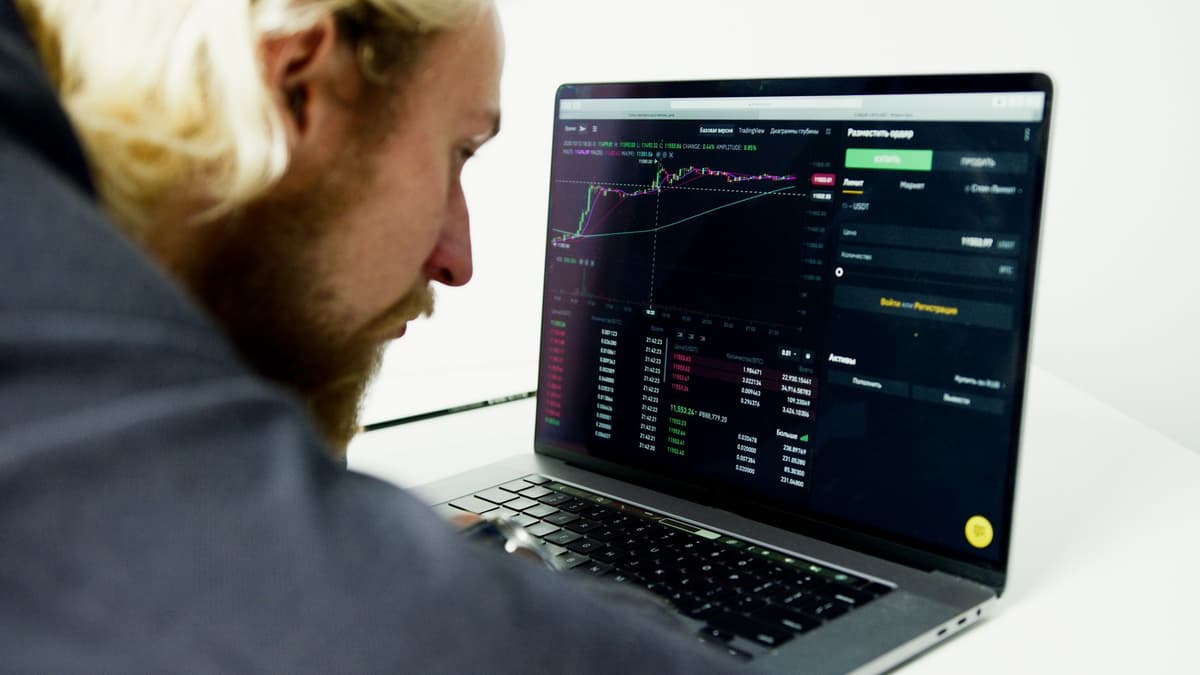
Token analysis involves scrutinizing on-chain data to identify patterns in wallet behavior, liquidity distribution, and supply concentration. By tracking how large holders move assets and how liquidity is structured, market participants can better understand the distribution dynamics of a token before assessing potential risks.
This is not financial advice. This is not a buy signal.
The Anatomy of an On-Chain Check
To navigate the Solana ecosystem in 2026, you must look beyond price charts. Price is a lagging indicator; on-chain data is the source of truth. Whether you are looking at a new launch or a mature asset, the following framework helps you filter out noise.
1. Wallet Concentration and Whale Tracking
Concentration risk is the primary killer of retail participation. If a handful of wallets control the majority of the circulating supply, the token is susceptible to extreme volatility and rug pulls.
1. Analyze the Top 10 Holders
Use a block explorer to view the token holder list. If the top 10 wallets hold more than 30-40% of the supply, proceed with extreme caution.
2. Identify Exchange Wallets
Distinguish between individual whale wallets and centralized exchange (CEX) wallets. Exchange wallets often hold a massive portion of the supply on behalf of thousands of users. These do not pose the same "dump risk" as a single developer-controlled wallet.
3. Monitor Recent Movement
Look at the activity history of top holders. Are they accumulating, or are they systematically offloading tokens? A sudden movement of tokens from a deployer wallet to multiple intermediary wallets is often a precursor to a liquidity exit.
2. Liquidity Pool (LP) Health
Liquidity is the backbone of any trade. Without deep, locked, or burned liquidity, slippage becomes a trap for the unwary.
| Metric | Significance |
|---|---|
| Liquidity Depth | Determines how much price impact a trade has |
| LP Lock Status | Indicates if the developer can pull the liquidity |
| Burned LP | Signals that liquidity is permanently removed from circulation |
1. Verify the LP Lock
Ensure that the liquidity pool tokens are sent to a burn address or a reputable time-locked smart contract. If the liquidity is "unlocked," the developer can remove it at any time.
2. Check the Ratio
Compare the ratio of the token to the base asset (e.g., SOL). A healthy pool should have a balanced ratio that prevents extreme price manipulation during small buy or sell orders.
3. Volume and Transaction Patterns
Volume often masks the true nature of a token. Wash trading is common, where bots simulate activity to lure in market participants.
- Look for consistent transaction volume rather than sudden, massive spikes.
- Cross-reference volume with the number of unique holders. If volume is high but the holder count is stagnant, it likely indicates a small group of wallets trading between themselves.
- Check the average transaction size. A high number of tiny, repetitive transactions is a classic sign of bot-driven activity designed to manipulate exchange visibility.
FAQ
How can I tell if a whale is selling or just moving assets?
Look at the destination of the transaction. If tokens are moved to a known decentralized exchange (DEX) router or a CEX deposit address, it is a high-probability sell signal. If the tokens are moved between cold storage wallets, it is often just a portfolio rebalance.
Does a high holder count always mean a token is safe?
No. Holder counts can be artificially inflated by "dusting" attacks or by distributing tokens to thousands of empty wallets. Always check if those holders have any other activity or if they only hold that single token.
Final Thoughts on On-Chain Discipline
In 2026, the speed of the Solana network means that data moves faster than human reaction time. Do not rely on third-party alerts alone. By manually verifying liquidity, checking for wallet clusters, and monitoring top-holder behavior, you build a foundation of evidence rather than hearsay. Never trade based on hype or the assumption that a whale's presence guarantees future performance.
Related posts in On-Chain & Whale Tracking
- On-Chain & Whale Tracking
Solana Liquidity Migration: Tracking On-Chain Shifts in 2026
Master the art of tracking Solana liquidity migration. Learn to identify whale patterns and DEX shifts to navigate the 2026 on-chain landscape effectively.
Memelogs
- On-Chain & Whale Tracking
Decoding Bonding Curve Metrics: Analyzing Solana Memecoin Launches in 2026
Master the art of reading on-chain bonding curve metrics. Learn how to verify liquidity, track whale distribution, and identify token health before you trade.
Memelogs
- On-Chain & Whale Tracking
How to Track Smart Money Wallets on Solana for 2026 Market Analysis
Master on-chain analysis to identify professional wallet activity on Solana. Learn how to track liquidity, whale movements, and smart money patterns.
Memelogs