
Memecoin Token Playbook 2026: Analyzing Wallets, LP, and Concentration
Master the art of on-chain analysis in 2026. Learn to verify liquidity, track holder concentration, and assess wallet security before engaging with tokens.

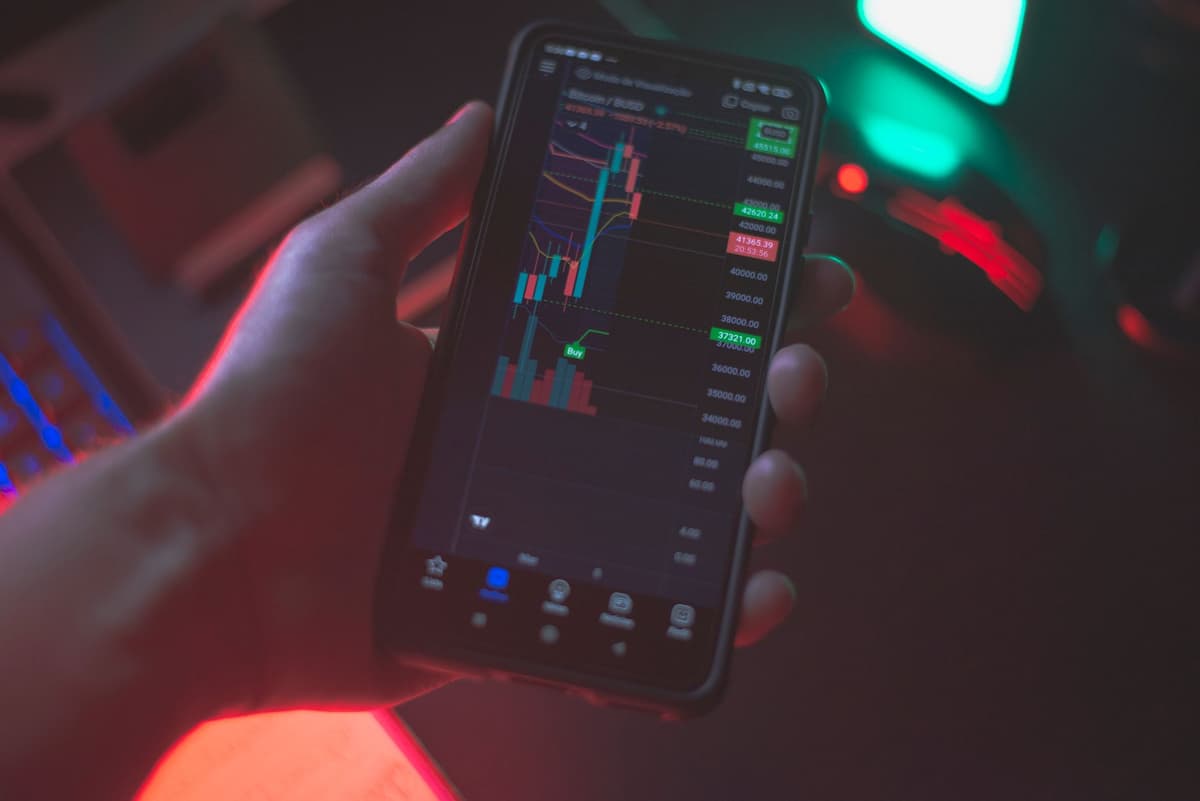
Understanding token health requires verifying on-chain liquidity locks, mapping holder concentration to identify potential dump risks, and ensuring the project uses recognized token management standards. By examining these three pillars, participants can filter out projects lacking structural integrity and focus on those with verifiable on-chain commitments.
The Anatomy of a Secure Launch
In 2026, the landscape of token launches has matured significantly. The days of blind trust are over; the focus is now on on-chain verifiability. Whether a project is launching via an automated agent or a permissionless launchpad, the underlying mechanics remain the same. A secure project provides transparency regarding its liquidity provision and team token allocations.
Why On-Chain Verification Matters
Verification is the difference between a project with genuine long-term intent and a transient cash grab. Modern tools allow anyone to see if a developer has actually locked their liquidity or if they have merely burned tokens in a way that can be bypassed. Always look for on-chain proof of liquidity locks through established protocols like StakePoint, Smithii, or Streamflow, which provide immutable records of these actions.
Analyzing Liquidity and Holder Concentration
Liquidity is the lifeblood of any memecoin. If the liquidity pool (LP) is not locked, the token is susceptible to immediate rug-pulls or extreme volatility triggered by the developer removing the backing assets. Use the following steps to evaluate the health of a token's liquidity and its distribution.
1. Verify the LP Lock Status
Navigate to a reputable Solana block explorer. Search for the token contract address. Locate the transaction history for the liquidity pool creation. Look for the address that holds the LP tokens; if it is a smart contract address associated with a known locker, the liquidity is effectively secured.
2. Check Holder Concentration
Examine the top 10 to 20 holders of the token. If a single wallet or a small cluster of wallets holds more than 20% to 30% of the total supply, the risk of a coordinated sell-off is high. Use analytical tools to see if these large holders are connected to the deployer wallet.
3. Monitor Wallet Clusters
Analyze the funding sources of the top holders. If multiple top wallets were funded by the same origin address—often the deployer or a centralized exchange deposit address—this is a red flag indicating a lack of genuine organic distribution.
| Indicator | Healthy Signal | Risk Signal |
|---|---|---|
| LP Lock | Contract-verified lock | Unlocked or hidden |
| Top 10 Holders | Distributed ownership | >30% in one/few wallets |
| Funding Source | Diverse, organic | Single origin address |
Choosing Your Gateway: Wallet Security
Your interaction with the ecosystem is only as secure as your wallet. In 2026, the primary Solana wallets—Phantom, Solflare, Exodus, Atomic, and Coinbase Wallet—offer varying degrees of integration for DeFi and NFT management. When selecting a wallet, prioritize those that offer clear transaction simulation, which allows you to see the outcome of a trade before you sign it.
FAQ
What is the most effective way to detect a developer-controlled liquidity pool?
Check the transaction logs on the block explorer for the 'remove liquidity' function call. If the liquidity is not locked in a verified third-party contract, the developer retains the ability to withdraw it at any time.
How can I tell if a token is a 'pump-and-dump' based on holder data?
Look for a pattern where the initial supply was sent to many small wallets that have never interacted with other tokens. This is often a sign of 'sybil' distribution used to fake organic interest.
What this is NOT
This analysis is for educational purposes only and does not constitute financial advice. None of the methods described serve as a buy signal or a guarantee of performance. Every participant is responsible for their own due diligence in the volatile market of digital assets.
Final Thoughts on 2026 Trends
As the Solana ecosystem continues to expand into tokenized assets, gold, and real-world credit, the tools for auditing tokens have become more sophisticated. The integration of AI agents into the launch process means that data is moving faster than ever. Stay disciplined, rely on the raw data provided by the blockchain, and never allow FOMO to override the technical findings of your on-chain research.
Related posts in On-Chain & Whale Tracking
- On-Chain & Whale Tracking
How to Track Smart Money Wallets on Solana for 2026 Market Analysis
Master on-chain analysis to identify professional wallet activity on Solana. Learn how to track liquidity, whale movements, and smart money patterns.
Memelogs
- On-Chain & Whale Tracking
Bonding Curve Metrics: Reading Solana Memecoin Data Before Volume Spikes in 2026
Learn how to analyze bonding curve metrics, whale clusters, and liquidity patterns on Solana to identify potential volume shifts before price action occurs.
Memelogs
- On-Chain & Whale Tracking
How to Track Smart Money Wallets on Solana in 2026
Learn how to monitor high-conviction wallet activity on Solana. We break down on-chain tracking methods to identify informed capital flow and liquidity shifts.
Memelogs