
Altcoin Playbook 2026: Tracking Whale Wallets, LP, and Concentration Risk
Master the art of on-chain analysis. Learn how to track Solana whale wallets, assess liquidity pool health, and identify holder concentration risks in 2026.

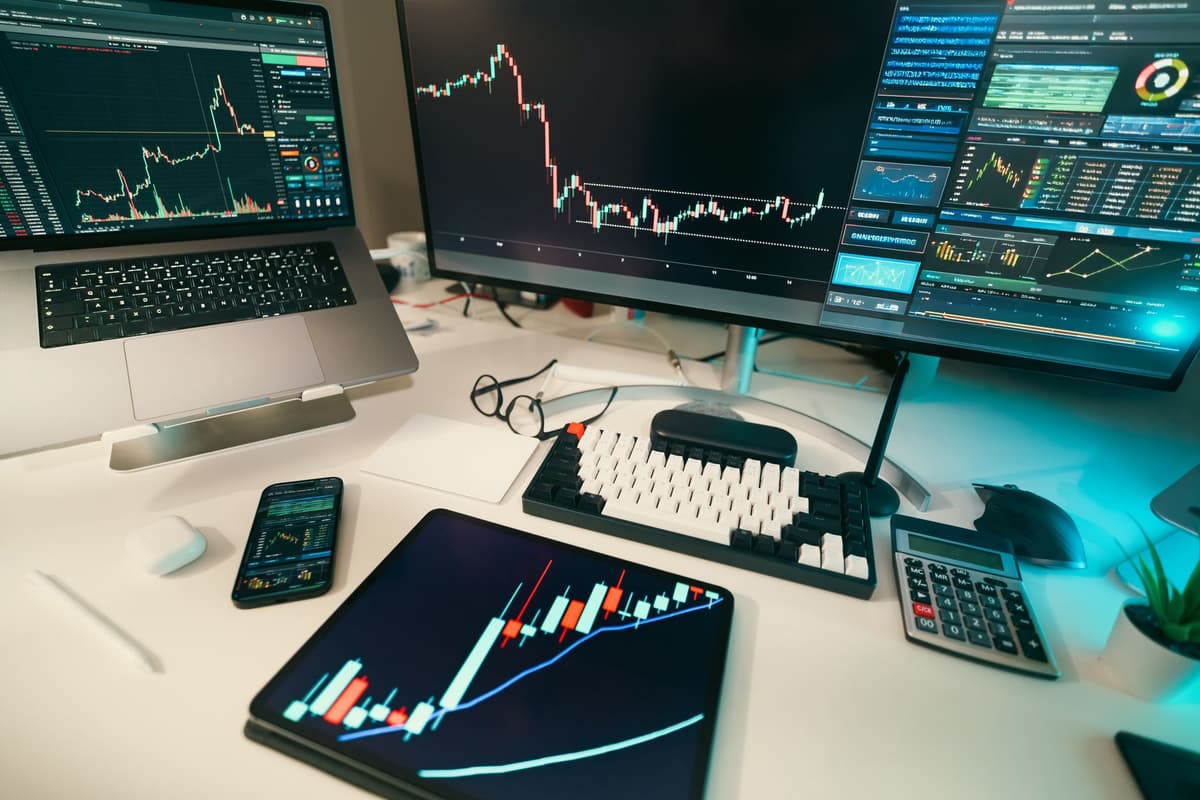
Tracking whale wallets and holder concentration is essential for identifying systemic risks in memecoin markets. By auditing on-chain distribution and liquidity pools, participants can filter out high-risk assets that are prone to sudden liquidity withdrawal or predatory sell-offs.
The Anatomy of On-Chain Risk
In the current market environment, the volatility of altcoins is frequently driven by concentrated ownership. When a small number of wallets control a significant percentage of the total supply, the asset becomes fragile. A single "whale" exit can trigger a cascade of selling, regardless of the token's perceived utility or social sentiment. Developing a systematic approach to reading these data points is the only way to navigate the noise.
Understanding Holder Concentration
Holder concentration refers to the percentage of a token’s supply held by the top 10 or top 100 wallets. In 2026, research indicates that tokens with more than 30% of their total supply concentrated in the top 10 wallets carry a significantly higher risk of a rug-pull or extreme price manipulation.
1. Audit top holders
Use a block explorer to view the 'Holders' tab for any given mint address. If you see a few wallets holding massive percentages without clear labeling (like a DAO treasury or a known burn address), treat the asset with extreme caution.
2. Analyze wallet behavior
Look for patterns in these top wallets. If the wallets were funded by the same source address or are moving in unison, you are likely looking at a single entity or a coordinated group, which increases the probability of a coordinated exit.
3. Cross-reference with liquidity
Check if the top holders are also the primary providers of liquidity. If the largest holders control the LP tokens, they can effectively drain the liquidity pool at will, leaving retail participants with worthless tokens.
Liquidity Pool (LP) Analysis
Liquidity is the backbone of any tradeable asset. Without sufficient liquidity, even small sell orders result in massive slippage. In the context of Solana memecoins, the structure of the liquidity pool is often a make-or-break factor.
- Check the LP lock status: Most legitimate projects lock their liquidity to prevent the team from withdrawing it. If the liquidity is unlocked, the risk of a rug-pull is significantly higher.
- Evaluate the ratio: A healthy pool should have a stable ratio of the memecoin to the base asset (e.g., SOL). If the ratio is heavily skewed, the pool may be susceptible to price manipulation.
- Monitor APY versus risk: While high-yield pools (7-12% APY) may seem attractive, they are often a trap to lure liquidity before a price crash. Always prioritize the safety of the principal over short-term yield.
Whale Tracking Tactics
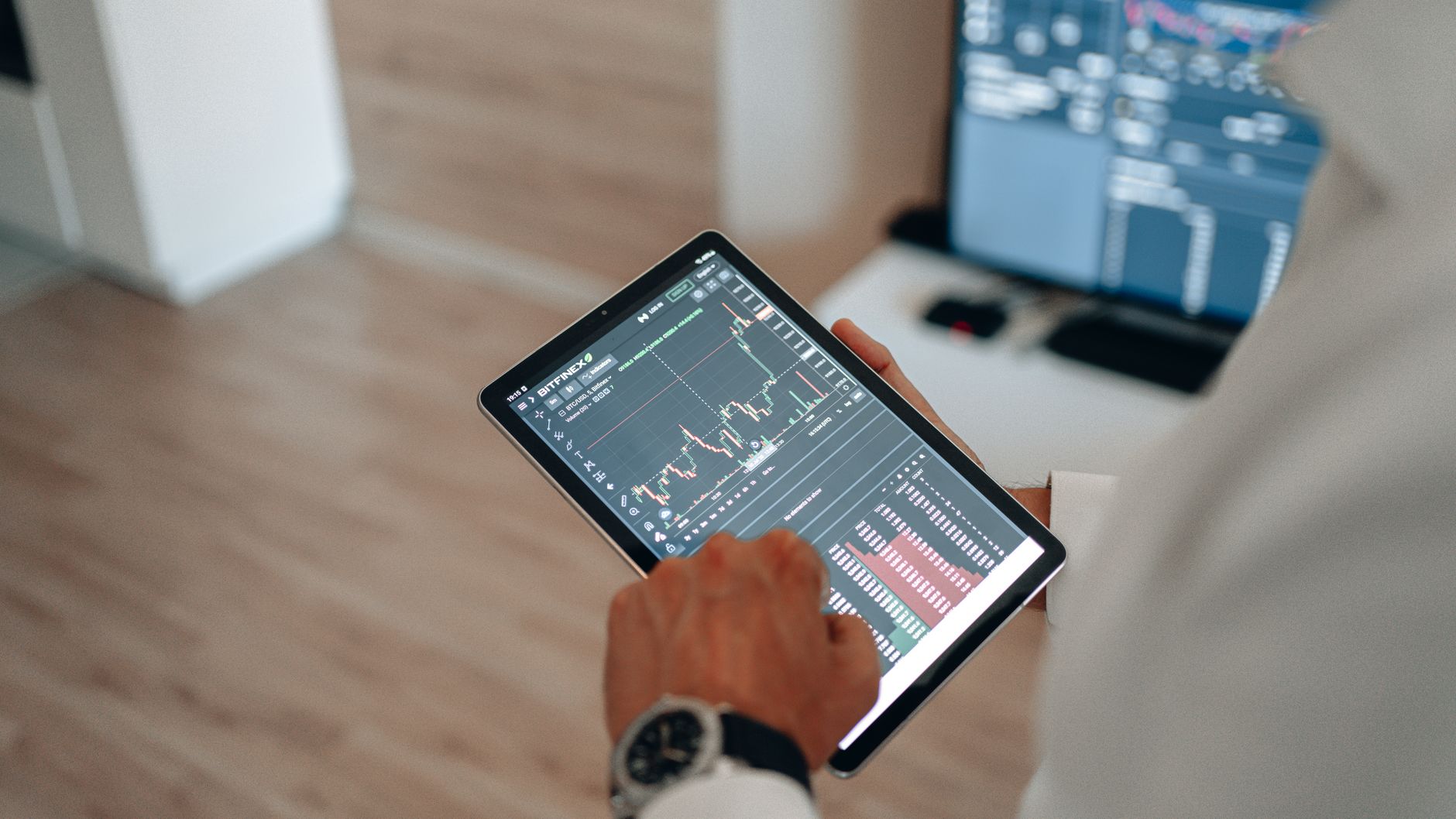
Whales do not always hide their moves. By monitoring large transfers to and from exchanges, you can see when "smart money" is preparing to offload or accumulate positions. Tracking these shifts provides a clearer picture of market sentiment than social media hype.
1. Identify exchange inflows
Large transfers of a specific token from a private wallet to a centralized exchange address are often a precursor to selling. Monitor these movements closely as they often precede high volatility.
2. Monitor wallet clusters
Many sophisticated actors distribute their holdings across multiple wallets to avoid detection. Use cluster analysis to link wallets that consistently interact with the same contracts or funding sources.
3. Watch for unstaking events
Large-scale unstaking of native assets, such as SOL, followed by movement to an exchange, often indicates that a major market participant is reallocating capital or hedging against potential downturns.
FAQ
Does high holder concentration always lead to a rug-pull?
Not necessarily, but it significantly increases the risk. High concentration means the token's price is entirely dependent on the decisions of a few individuals. If those individuals decide to sell, there may not be enough buy-side liquidity to support the price, leading to a total loss for smaller participants.
What is the most reliable sign that a token is dangerous?
Look for a combination of high holder concentration (over 30% in top 10 wallets) and unlocked or low liquidity. When these two factors are present, the project lacks both decentralization and the structural integrity required to survive a market correction.
Final Considerations
This information is provided for educational purposes only. It is not financial advice, not a buy signal, and not a recommendation to participate in any specific market. Memecoin trading is highly speculative and carries the risk of total loss. Always conduct your own research, verify on-chain data independently, and never invest more than you can afford to lose.
Related posts in On-Chain & Whale Tracking
- On-Chain & Whale Tracking
Solana Liquidity Migration: Tracking Whale Patterns on DEXs in 2026
Master the art of tracking liquidity shifts on Solana. Learn how to monitor whale movements and DEX migration patterns to better understand on-chain data.
Memelogs
- On-Chain & Whale Tracking
On-Chain Whale Tracking: Detecting Early Accumulation Patterns in 2026
Master the art of tracking whale wallet behavior to identify early accumulation trends before they heat up. Learn how to monitor on-chain flows like a pro.
Memelogs
- On-Chain & Whale Tracking
Tracking Whale Wallets: A Practical Workflow for Solana Market Analysis 2026
Learn how to monitor Solana whale activity through on-chain analysis. Master the workflow of tracking accumulation and liquidity shifts without copy-trading.