
Tracking Whale Wallets in 2026: A Data-Driven Approach to Solana On-Chain Analysis
Learn how to monitor whale activity on Solana by identifying smart money wallets and analyzing on-chain flow, without falling for copy-trading traps.

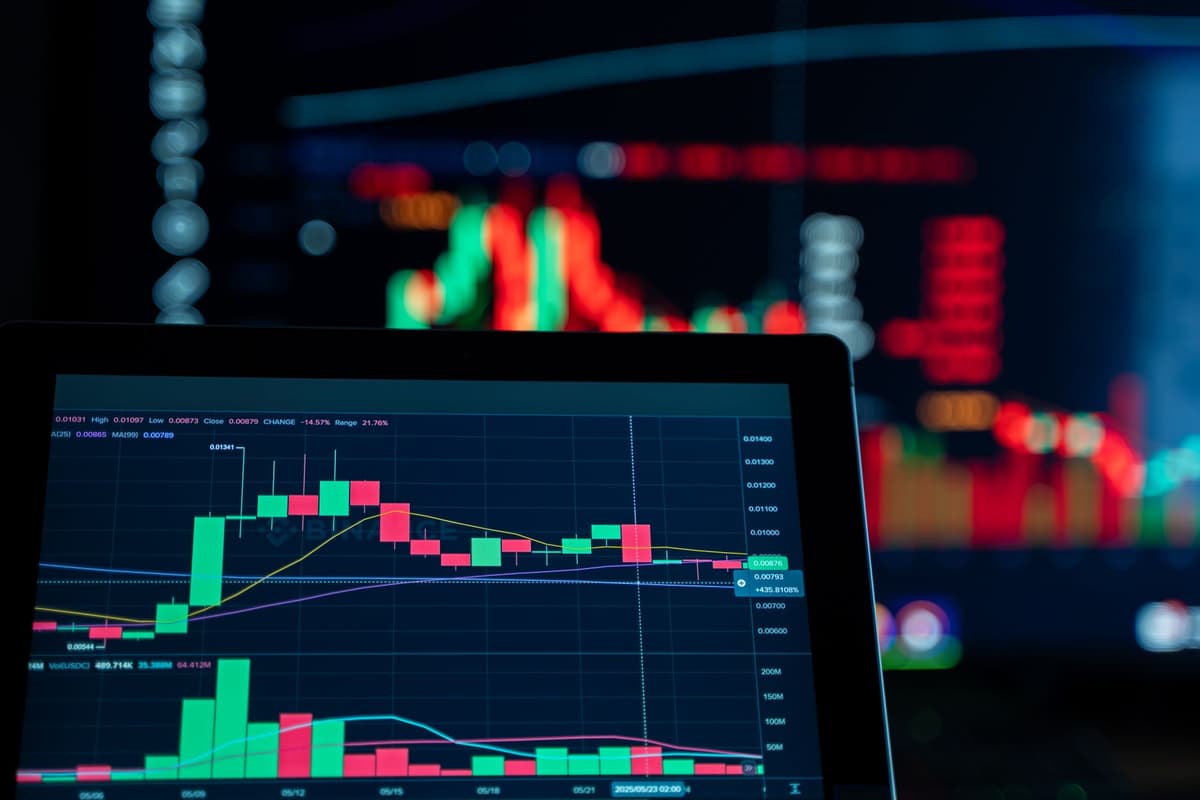
Tracking whale wallets involves identifying consistent, profitable addresses through on-chain scanners and monitoring their historical interaction with liquidity pools. Instead of blindly mirroring trades, successful observers analyze the movement of capital to identify early-stage accumulation patterns and exit liquidity dynamics before they manifest in broader market trends.
The Architecture of Whale Watching
In the current market landscape, the most effective way to observe whale activity is by treating individual wallets as data points rather than sources of truth. Whales often operate in clusters, and their movements are frequently designed to influence market sentiment. By focusing on the structural data of the Solana blockchain, you can strip away the noise of social media hype.
Why Copy-Trading Fails
Most participants attempt to copy-trade whales in real-time. This is structurally flawed because by the time a transaction is visible on a block explorer, the price impact has already occurred. When you see a large buy order on an aggregator, the whale has likely already finished their entry. Mirroring their actions often leaves you as the exit liquidity for their eventual rotation into other assets.
The Methodology: Step-by-Step Analysis
To track whales effectively, you must build a workflow that prioritizes identifying smart money—addresses that consistently realize profits through early entry and disciplined exits.
1. Identify Seed Wallets
Start by scanning the holders list of tokens that have demonstrated significant volume or successful migration from pump platforms to decentralized exchanges. Look for addresses that bought early and sold only a portion of their holdings during price peaks. These are your candidates for further monitoring.
2. Analyze Transaction History
Use blockchain explorers to inspect the activity of the identified wallets. A professional whale will not interact with a single token. They will show a pattern of:
- Consistent interaction with liquidity pools.
- Participation in new token launches.
- A history of holding tokens across multiple market cycles.
3. Monitor Liquidity Interaction
Examine how the wallet interacts with liquidity. Does it provide liquidity to pools, or does it exclusively swap? Wallets that provide liquidity often have a longer time horizon, while those that swap rapidly are often chasing short-term volatility. Tracking the former provides more insight into long-term market sentiment.
4. Filter by Volume and Frequency
Use on-chain tools to filter transactions by size relative to the token's total market cap. A large purchase in a low-liquidity pool is a significant event. Cross-reference this with the timing of the purchase; whales often accumulate during periods of low volatility to avoid excessive slippage.
Metrics to Watch
| Metric | Significance |
|---|---|
| Entry Timing | Indicates ability to identify trends early |
| Realized PnL | Distinguishes smart money from lucky retail |
| Holding Duration | Suggests conviction vs. scalping strategies |
| Portfolio Diversification | Shows risk management maturity |
What this is NOT
This guide is not financial advice, does not provide buy signals, and is not a guarantee of future performance. On-chain tracking is a method for gathering data, not a shortcut to wealth.
Frequently Asked Questions
What makes a wallet 'smart money' rather than just a lucky gambler?
Smart money is defined by a multi-cycle history of profitability and consistent behavior. You are looking for addresses that execute entry and exit strategies that align with liquidity availability, rather than wallets that hold a single asset that happened to appreciate.
How can I avoid being misled by whale manipulation?
Whales often use multiple wallets to simulate volume or create false buy pressure. Always check the counterparty addresses and the history of the funds. If a wallet is being funded by a centralized exchange and immediately dumping into a new project, it may be a test transaction or a bot-driven move rather than a genuine investment conviction.
Related posts in On-Chain & Whale Tracking
- On-Chain & Whale Tracking
The 2026 Memecoin Playbook: On-Chain Verification and Whale Tracking
Master the 2026 memecoin landscape by learning to verify liquidity, analyze holder concentration, and track whale wallet clusters on the Solana network.
Memelogs
- On-Chain & Whale Tracking
Solana Whale Tracking: How to Identify and Follow Smart Money in 2026
Master on-chain analysis to track smart money on Solana. Learn how to identify profitable wallets and monitor real-time token movements without the noise.
Memelogs
- On-Chain & Whale Tracking
Altcoin Playbook 2026: Analyzing Wallets, LP, and Holder Concentration
Master the fundamentals of on-chain analysis in 2026. Learn how to evaluate wallet clusters, liquidity pool health, and holder concentration for altcoins.
Memelogs