
Solana Liquidity Migration: Tracking Whale Patterns on DEXs in 2026
Master the art of tracking liquidity shifts on Solana. Learn how to monitor whale movements and DEX migration patterns to better understand on-chain data.

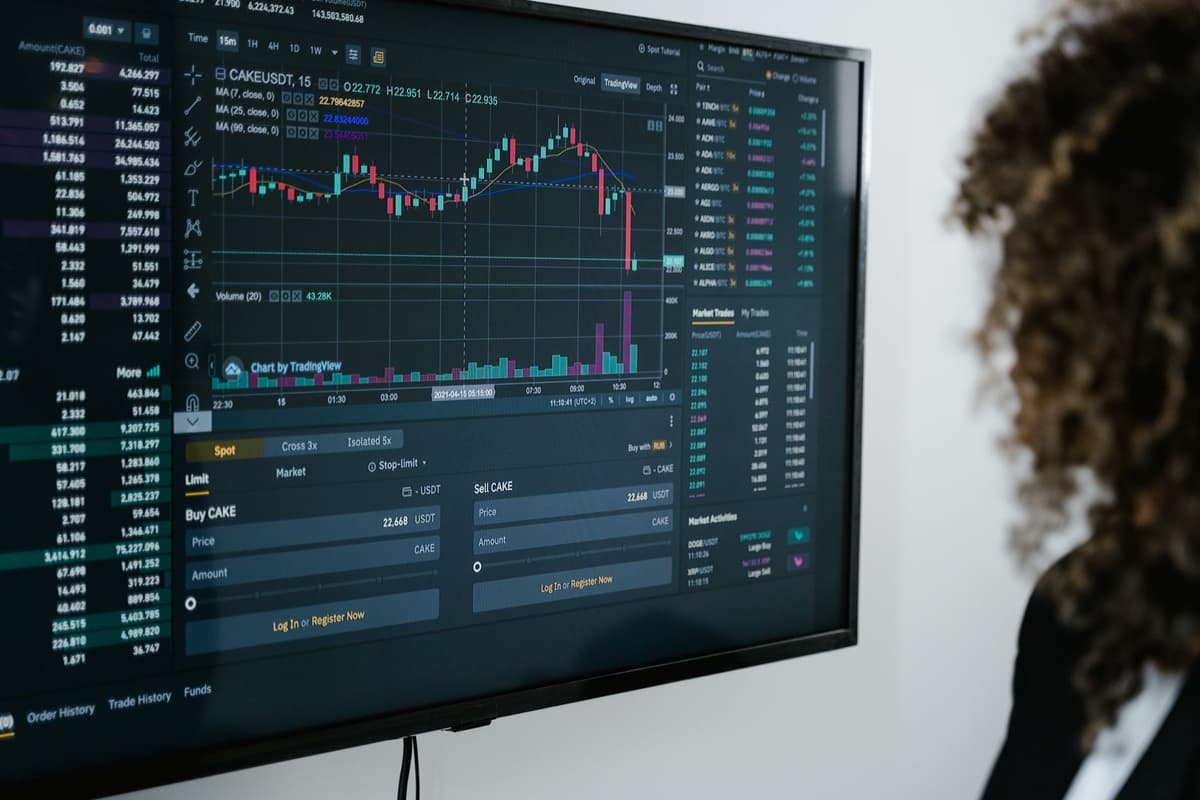
Liquidity migration on Solana in 2026 is driven by large-scale whale movements and the expansion of on-chain perpetuals and institutional stablecoin flows. To track these shifts, participants must monitor wallet clusters moving assets from centralized exchanges to decentralized liquidity pools, while observing how aggregators route volume across the ecosystem.
Understanding Liquidity Migration
In the current Solana landscape, liquidity is rarely static. It flows based on yield incentives, governance token launches, and the maturation of perpetual trading platforms. When large entities move significant amounts of SOL from centralized exchanges, it often precedes a shift in on-chain activity. Tracking these flows requires looking beyond basic price charts and focusing on the underlying movement of assets into decentralized venues.
How to Audit On-Chain Liquidity Shifts
1. Monitor Whale Wallet Clusters
Use block explorers to identify wallets that receive massive inflows from known centralized exchange addresses. When a wallet holding a significant percentage of circulating supply becomes active, observe whether those assets are being distributed into liquidity pools or moved into yield-bearing DeFi protocols.
2. Analyze LP Token Concentration
Check the liquidity provider (LP) distribution for the tokens you are researching. A healthy liquidity pool usually shows a diverse range of participants. If a vast majority of the pool is controlled by a single wallet or a small cluster, the risk of sudden liquidity removal increases significantly. Look for locked liquidity to ensure the project is not prone to instant exit scenarios.
3. Evaluate Aggregator Volume
Liquidity aggregators play a massive role in routing trades. By observing the volume flowing through these aggregators, you can see which tokens are receiving consistent attention. A spike in volume that is not matched by a proportional increase in token holders may indicate that a small group is cycling liquidity to create artificial activity.
The Role of Perpetual Trading
Solana's push into on-chain perpetuals is changing how liquidity is utilized. Unlike spot markets, perpetual platforms require deep liquidity to minimize slippage and support high-leverage positions. As more capital migrates toward these platforms, look for shifts in stablecoin deposits. High stablecoin inflows into perps protocols often suggest that market participants are positioning for increased volatility or hedging their spot holdings.
Key Metrics for On-Chain Analysis
| Metric | Purpose | What to look for |
|---|---|---|
| Net Flow | Tracking CEX to DEX movement | Large outflows from exchanges to personal wallets |
| LP Diversity | Assessing pool stability | High number of unique liquidity providers |
| Holder Growth | Measuring adoption | Steady increase in unique addresses over time |
| Swap Volume | Monitoring demand | Consistent volume across multiple DEX aggregators |
FAQ
How can I tell if a liquidity migration is institutional or retail-driven?
Institutional movements are typically characterized by massive, singular transactions originating from known exchange hot or cold wallets. Retail-driven movement is usually more fragmented, appearing as thousands of smaller transactions over a longer period.
Does a high volume on a new DEX pool always mean a project is successful?
Not necessarily. High volume can be generated by automated market-making bots or wash trading. Always cross-reference volume with the number of unique holders and the distribution of LP tokens to ensure the activity is genuine.
What this is NOT
This analysis is for educational purposes only. It is not financial advice, not a buy signal, and not an endorsement of any specific token or project. Always conduct your own research before interacting with on-chain protocols.
Related posts in On-Chain & Whale Tracking
- On-Chain & Whale Tracking
On-Chain Whale Tracking: Detecting Early Accumulation Patterns in 2026
Master the art of tracking whale wallet behavior to identify early accumulation trends before they heat up. Learn how to monitor on-chain flows like a pro.
Memelogs
- On-Chain & Whale Tracking
Tracking Whale Wallets: A Practical Workflow for Solana Market Analysis 2026
Learn how to monitor Solana whale activity through on-chain analysis. Master the workflow of tracking accumulation and liquidity shifts without copy-trading.
Memelogs
- On-Chain & Whale Tracking
Altcoin Playbook 2026: Tracking Whale Wallets, LP, and Concentration Risk
Master the art of on-chain analysis. Learn how to track Solana whale wallets, assess liquidity pool health, and identify holder concentration risks in 2026.