
Solana Whale Tracking: A 2026 Framework for On-Chain Analysis
Learn how to track whale wallets on Solana without blind copy-trading. Master on-chain data, liquidity checks, and exchange flow analysis for informed…

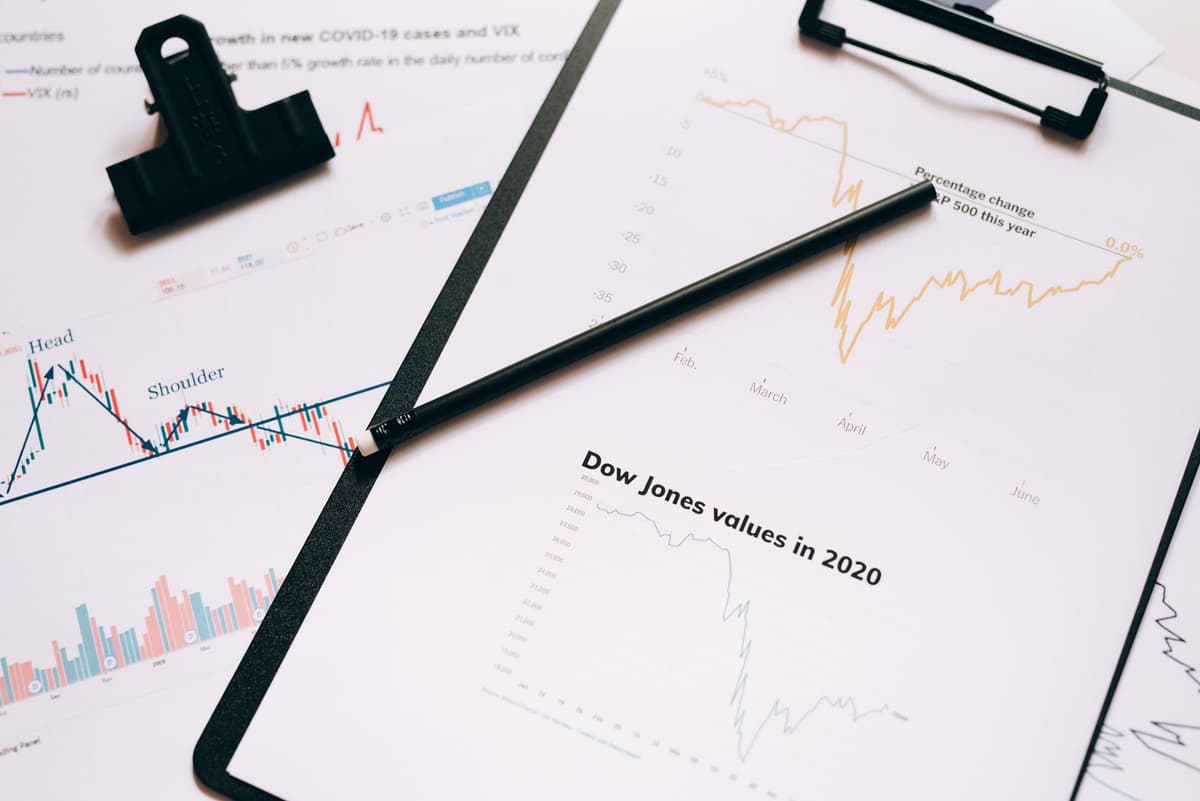
Tracking whale wallets on Solana involves monitoring large transaction clusters and exchange inflows rather than simply mirroring trades. By identifying the difference between institutional accumulation and bot-driven arbitrage, market participants can better understand liquidity shifts and potential trend reversals without relying on blind automation.
The reality of whale tracking
Many retail participants mistake high-frequency wallet movements for "smart money" intent. In reality, a significant portion of what looks like whale activity on Solana is actually sophisticated arbitrage bots or MEV (Maximal Extractable Value) infrastructure. Copy-trading these wallets is often a losing strategy because the bot is optimized for speed and slippage, not for long-term price appreciation. To stay ahead, you must distinguish between structural market makers and genuine accumulation phases.
The methodology
Effective on-chain analysis requires a systematic approach to filtering noise. Every transaction leaves a footprint, but not every footprint leads to a tradeable opportunity.
1. Identify the source
Use block explorers to trace the origin of a transaction. If a wallet is interacting with a known exchange hot wallet, it is likely preparing for a sell-off or rebalancing. If the wallet is pulling liquidity from a decentralized exchange, it may be accumulating a position.
2. Analyze volume clusters
Look for coordinated transaction patterns. Clusters of buy orders at key technical support levels often signal confidence from larger players, whereas selling into resistance indicates a desire to exit.
3. Verify liquidity depth
Check the pool's liquidity. If a whale holds a significant percentage of the total supply, their exit could trigger a massive price drop regardless of the token's technical strength. Always check the holder distribution to ensure the asset is not overly concentrated.
4. Monitor exchange flows
Large inflows to exchange addresses often precede price volatility. When exchange balances increase, it suggests that holders are preparing to liquidate assets. Conversely, sustained outflows often point to cold storage or long-term holding.
What this is NOT
This guide is not financial advice, not a buy signal, and does not guarantee results. Market data is historical; future performance is never certain.
Differentiating wallet types
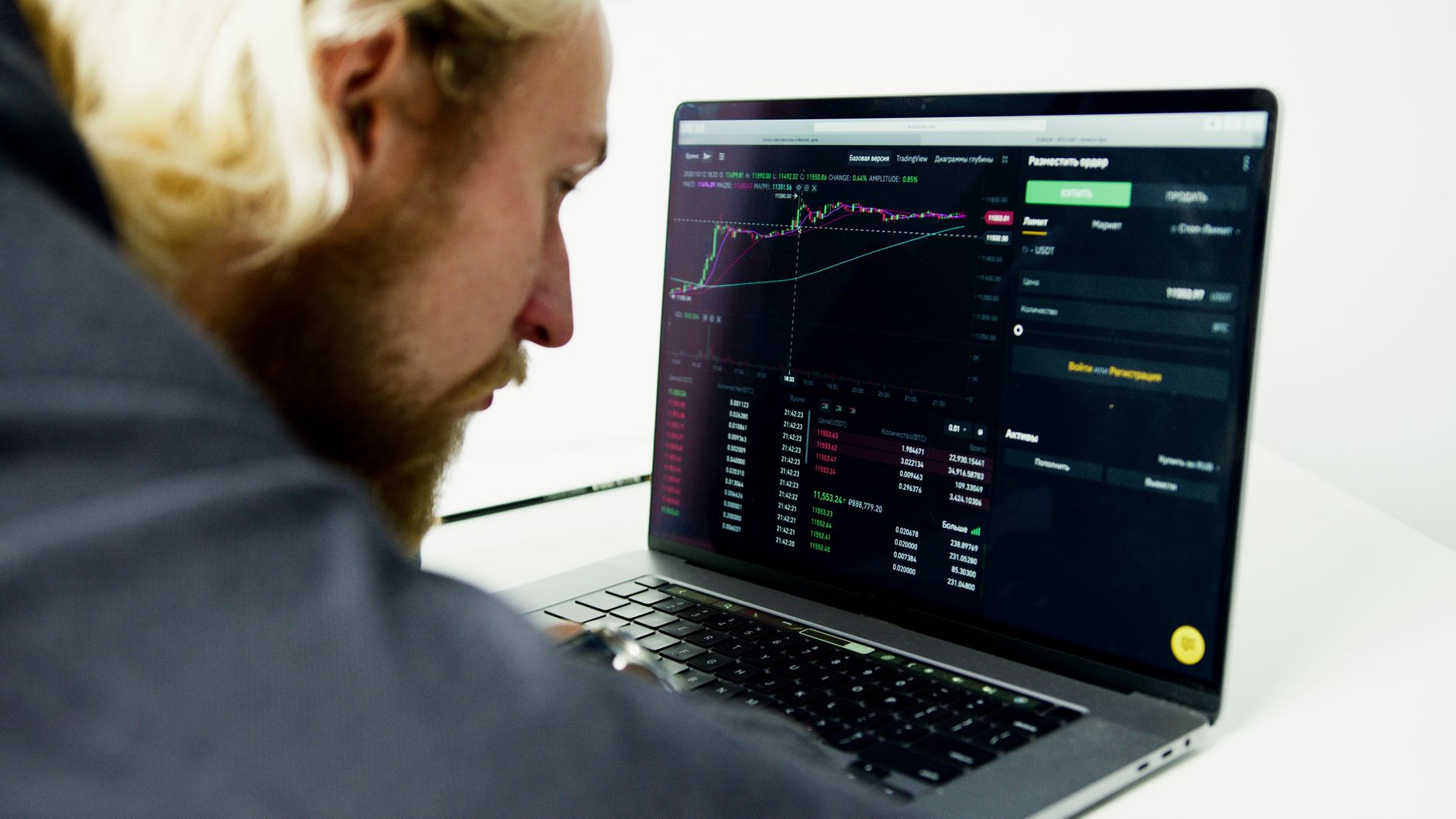
Not all whales are created equal. You must categorize the entity you are tracking to understand their motive.
- Arbitrage Bots: High volume, low duration, focused on slippage and price discrepancies.
- Institutional Custodians: Slow, methodical accumulation or distribution over days or weeks.
- Early Adopters: High-risk profiles holding tokens from the initial bonding curve or launch phase.
FAQ
Is copy-trading a reliable way to profit from whale wallets?
No. Copy-trading is inherently reactive. By the time a transaction is confirmed on-chain, the price impact has already occurred. Furthermore, many wallets you might track are bots designed to profit from your slippage.
How can I tell if a whale is dumping or just rebalancing?
Look at the destination of the assets. If the tokens are moving to a decentralized liquidity pool to provide yield, it is a neutral move. If the tokens are moving to a centralized exchange wallet, it is typically a sign of impending sell pressure.
Final considerations
On-chain data is a tool for validation, not a crystal ball. When a technical setup approaches a resistance level, whale activity acts as a confirmation signal. If you see accumulation during a breakout, the move is more credible. If you see selling at resistance, the probability of a rejection increases. Always prioritize risk management over the desire to follow the "smart money" blindly.
Related posts in On-Chain & Whale Tracking
- On-Chain & Whale Tracking
Solana Rug Pull 2026: Identifying On-Chain Red Flags Before You Trade
Learn how to spot malicious Solana token launches by analyzing liquidity, wallet distribution, and contract logic. Protect your capital with on-chain due…
Memelogs
- On-Chain & Whale Tracking
Solana Whale Tracking: Identifying Liquidity Migration Patterns in 2026
Learn how to monitor Solana DEX liquidity migration and whale wallet movements using on-chain analytics to understand market shifts without the hype.
Memelogs
- On-Chain & Whale Tracking
Decoding Bonding Curve Metrics: A Guide to Solana Memecoin Analysis in 2026
Master the art of reading on-chain bonding curve metrics on Solana. Learn to evaluate liquidity, whale activity, and market progress before the next move.
Memelogs