
Solana Rug Pull 2026: Identifying On-Chain Red Flags Before You Trade
Learn how to spot malicious Solana token launches by analyzing liquidity, wallet distribution, and contract logic. Protect your capital with on-chain due…


On-chain red flags for Solana tokens typically manifest as low initial liquidity paired with high insider wallet concentration, unverified source code, or non-renounced ownership. Detecting these risks requires monitoring the explorer for proxy contracts, minting permissions, and suspicious patterns in top-holder distributions to avoid liquidity traps.
The Anatomy of Solana Rugs
In the current 2026 market, the barrier to launching a token on Solana remains minimal, which unfortunately facilitates the deployment of deceptive projects. Understanding the technical architecture of a token launch is the most effective way to separate legitimate projects from predatory exit scams. Most rug pulls rely on the assumption that participants will not audit the contract or the wallet history of the deployer.
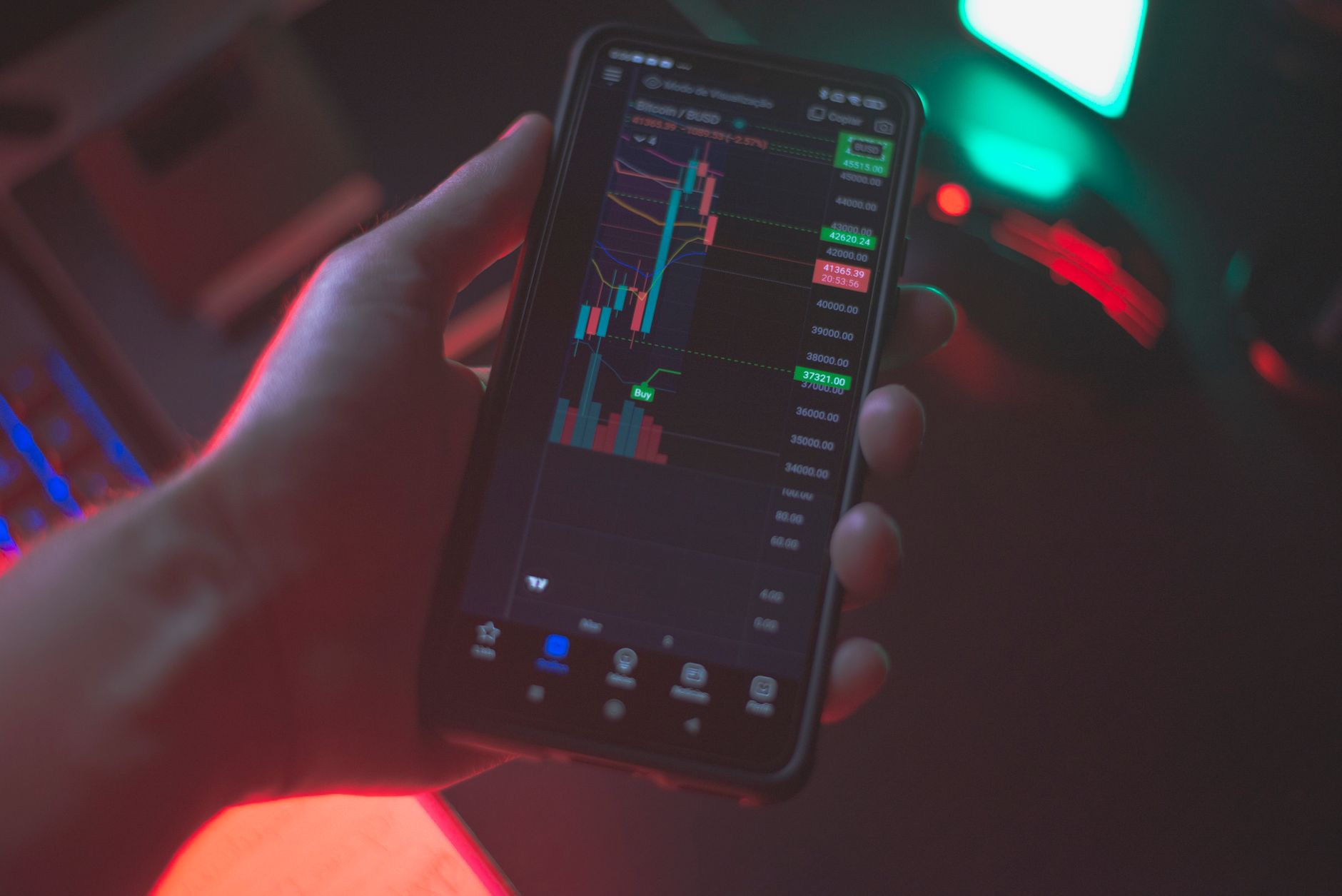
Core On-Chain Inspection Steps
1. Analyze Liquidity Depth
Initial liquidity is the foundation of any trade. Many malicious launches provide only a few SOL in liquidity to create the illusion of a market. If the liquidity is not locked, the deployer can withdraw it at any time, effectively draining the pool and leaving holders with worthless tokens.
2. Audit Holder Distribution
Use an explorer to view the top 10 holders. If a single wallet or a small cluster of wallets controls more than 50% to 70% of the supply, the project is highly centralized. This concentration allows insiders to dump their tokens onto the market, crashing the price instantly.
3. Verify Contract Logic
Check if the source code is verified. If the contract is a proxy, it remains inherently risky because the developer can alter the underlying logic after the launch. Look for functions that allow the owner to mint new tokens, freeze accounts, or blacklist specific wallets. These are classic hallmarks of a honeypot.
4. Review Ownership Status
Renounced ownership is a step in the right direction, but it is not a complete guarantee. Verify that no other privileged functions exist that could override the contract's standard behavior. If the deployer retains control over minting or tax parameters, the token remains an active risk.
Risk Indicators Table
| Indicator | Red Flag Condition | Risk Level |
|---|---|---|
| Liquidity | Under 5 SOL without lock | Critical |
| Supply | >50% in one wallet | High |
| Contract | Proxy or unverified | High |
| Minting | Enabled for owner | Critical |
The Psychology of Launch Platforms
Many modern launches utilize bonding curve mechanisms. While these platforms automate liquidity, they do not prevent bad actors from deploying tokens with malicious backdoors. A common tactic involves the deployer holding a massive balance of SOL in their wallet, which acts as a psychological trap to convince market participants that the project is well-funded. Always track the deployer's wallet history; frequent creation of multiple failed or rugged tokens is a clear signal to avoid the current project entirely.
FAQ
What does it mean when a contract is not verified?
An unverified contract means the code running on the blockchain is not publicly readable. Without access to the source code, you cannot confirm if the contract has hidden functions that allow the creator to drain funds or manipulate trading behavior.
Is renounced ownership enough to ensure safety?
No. While renouncing ownership prevents the creator from changing certain settings, it does not mitigate risks if the contract was originally coded with malicious backdoors or if other privileged roles were assigned to secondary wallets before the renouncement occurred.
Final Caution
This content is for educational purposes regarding on-chain analysis and does not constitute financial advice. It is not a buy signal or a recommendation to participate in any specific market activity. Always perform your own research and treat every new token launch with extreme skepticism, as the Solana ecosystem is highly volatile and prone to rapid shifts in liquidity.
Related posts in On-Chain & Whale Tracking
- On-Chain & Whale Tracking
Solana Whale Tracking: A 2026 Framework for On-Chain Analysis
Learn how to track whale wallets on Solana without blind copy-trading. Master on-chain data, liquidity checks, and exchange flow analysis for informed…
Memelogs
- On-Chain & Whale Tracking
Solana Whale Tracking: Identifying Liquidity Migration Patterns in 2026
Learn how to monitor Solana DEX liquidity migration and whale wallet movements using on-chain analytics to understand market shifts without the hype.
Memelogs
- On-Chain & Whale Tracking
Decoding Bonding Curve Metrics: A Guide to Solana Memecoin Analysis in 2026
Master the art of reading on-chain bonding curve metrics on Solana. Learn to evaluate liquidity, whale activity, and market progress before the next move.
Memelogs