
Altcoin Playbook 2026: Tracking Wallets, LP, and Holder Concentration
Master the fundamentals of on-chain analysis. Learn to evaluate Solana memecoin liquidity, whale wallet clusters, and holder distribution for better risk…

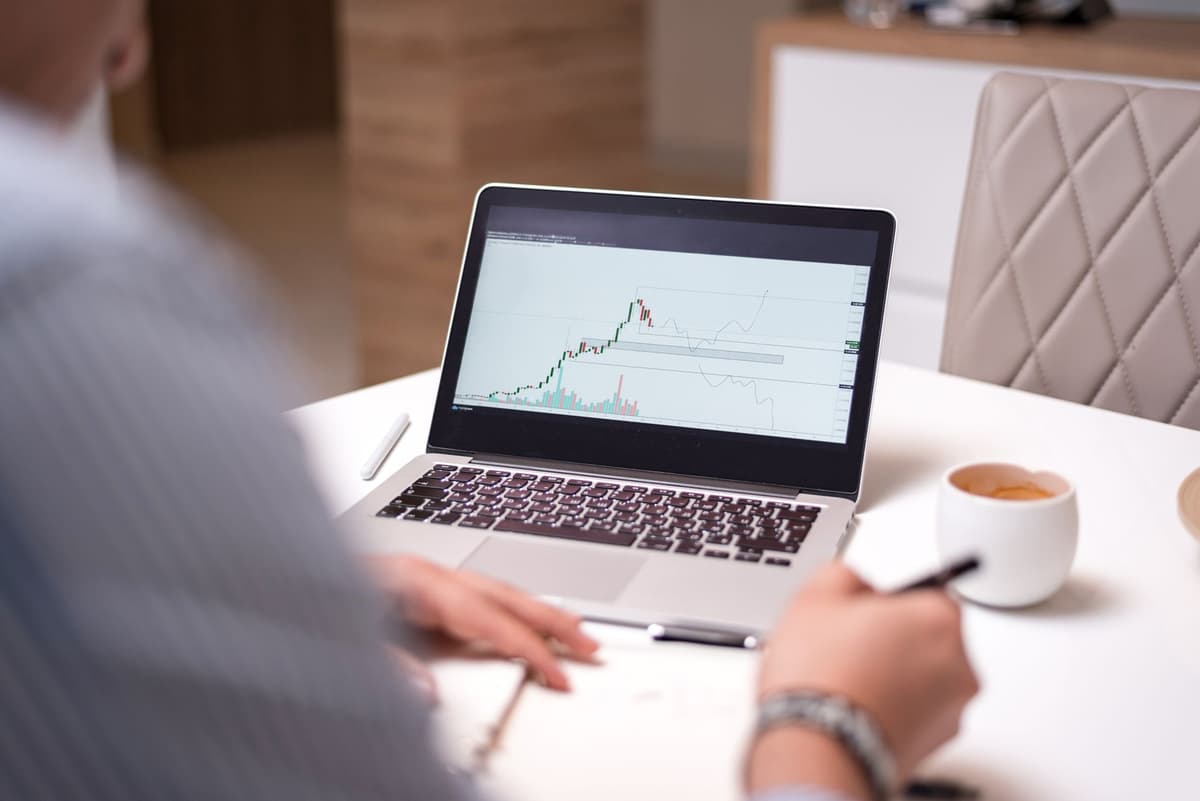
Analyzing altcoins requires a systematic audit of on-chain data, specifically focusing on the distribution of token supply among top holders and the depth of liquidity pools. By identifying whale wallet clusters and monitoring liquidity stability, market participants can better understand the risk profile of a token before engagement. This is not financial advice, not a buy signal, and does not guarantee results.
The Anatomy of an On-Chain Audit
When evaluating a new or existing memecoin, the primary objective is to determine whether the distribution of power is centralized or decentralized. A healthy token usually exhibits a diverse holder base, whereas an asset with high concentration in a few wallets is statistically more prone to extreme volatility and rug-pull risks.
1. Whale Wallet Clusters
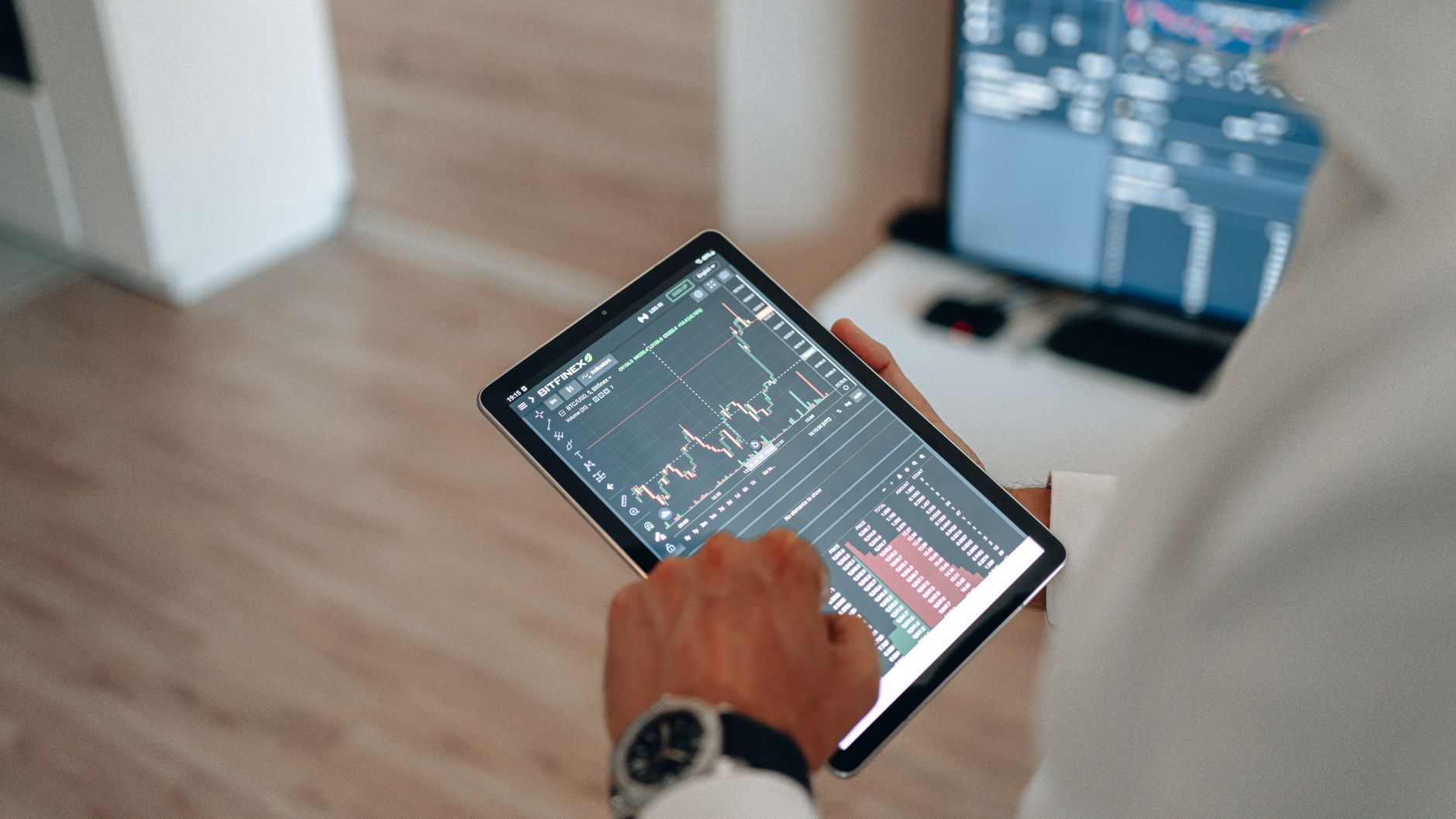
Whale wallets on the Solana network are generally defined by holdings exceeding $500,000 in SOL or associated tokens. Monitoring these entities is essential for understanding accumulation and distribution patterns. When multiple wallets show synchronized movement—entering or exiting positions simultaneously—it often indicates a single entity operating a cluster of wallets to obscure their footprint.
1. Analyze wallet age and transaction history to distinguish between professional market makers and early-stage speculators.
2. Cross-reference large transfer events with known exchange hot wallets to see if supply is moving toward liquidity providers or centralized exchanges.
3. Use standard block explorers to trace the origin of funding for these wallets, as newly created wallets that suddenly hold significant supply are a common red flag.
2. Liquidity Pool (LP) Health
Liquidity is the lifeblood of memecoin trading. Without sufficient depth, even small sell orders can trigger massive price slippage. On-chain auditing involves verifying that the LP is not only substantial but also protected against immediate withdrawal.
- Check if the LP tokens are burned or time-locked, which prevents the developer from removing liquidity suddenly.
- Observe the ratio of the token to the paired asset, such as SOL, to ensure the pool remains balanced.
- Watch for sudden spikes in LP yield, which can sometimes be a lure for liquidity providers before a significant dump.
3. Holder Concentration Metrics
Holder concentration is the most reliable metric for assessing decentralization. A common threshold used by analysts is the top 10 holder rule: if the top 10 wallets hold more than 30% of the total supply, the risk of predatory price manipulation is significantly elevated.
| Metric | Risk Level | Interpretation |
|---|---|---|
| Top 10 < 10% | Low | Highly decentralized, lower manipulation risk |
| Top 10 10-30% | Moderate | Common for early tokens, requires monitoring |
| Top 10 > 30% | High | Significant concentration, prone to whale dumps |
FAQ
What constitutes a red flag in holder distribution?
A primary red flag is when a significant portion of the supply is held by a small number of wallets that were funded from the same source address. This suggests that the project team or early insiders may control the majority of the circulating supply, allowing them to manipulate the price at will.
How does liquidity pool depth affect my ability to trade?
Low liquidity pool depth means that your order will significantly move the price of the asset, a phenomenon known as slippage. If you attempt to sell a large position into a shallow pool, you may receive far less value than the current market price suggests, effectively increasing your cost of entry and exit.
Maintaining Vigilance
The landscape of on-chain data is constantly evolving. While tools exist to automate the tracking of whale wallets and historical accumulation, the final decision-making process remains a human responsibility. Always verify the status of liquidity locks and monitor the concentration of holders to ensure the project aligns with your personal risk tolerance. Remember, on-chain data provides a map, but it does not dictate the destination.
Related posts in On-Chain & Whale Tracking
- On-Chain & Whale Tracking
Solana Token Launches: Identifying On-Chain Red Flags in 2026
Master the art of on-chain verification for Solana token launches. Learn to spot liquidity traps, wallet clusters, and suspicious patterns before you commit…
Memelogs
- On-Chain & Whale Tracking
Token Playbook 2026: Analyzing Wallets, Liquidity, and Concentration on Solana
Master the art of on-chain analysis. Learn how to verify Solana liquidity pools, track wallet concentration, and spot red flags in the memecoin market.
Memelogs
- On-Chain & Whale Tracking
Solana Liquidity Migration: Tracking Whale Patterns on DEXs in 2026
Master the art of tracking on-chain liquidity shifts on Solana. Learn how to monitor whale movements and aggregator routing to identify evolving market trends.
Memelogs