
Solana Liquidity Migration: Tracking Capital Shifts in 2026
Master the art of tracking on-chain liquidity shifts on Solana. Learn how to monitor whale movements and protocol migrations to stay ahead in 2026.

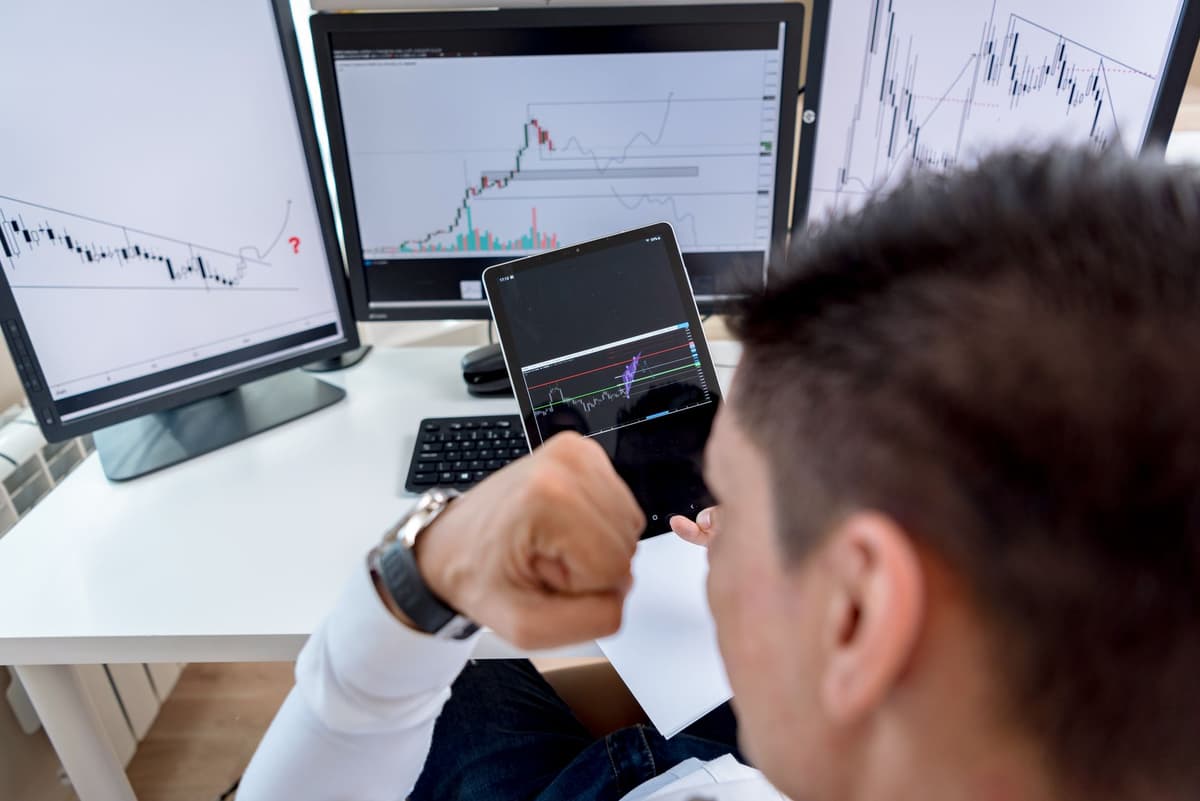
Liquidity migration on Solana in 2026 is driven by the Alpenglow upgrade, which optimizes network finality and stability for high-frequency trading activity. Market participants track these shifts by monitoring changes in liquidity concentration across aggregators and observing how institutional capital interacts with decentralized exchanges.
Understanding Liquidity Migration
In the Solana ecosystem, liquidity is rarely static. As the network evolves toward near-instant finality with the Alpenglow upgrade, capital tends to follow the path of highest efficiency. For a market participant, migration refers to the movement of assets from one liquidity pool or protocol to another, often triggered by changes in yield, network performance, or infrastructure updates.
When liquidity migrates, it often leaves a trail on-chain. Identifying these movements requires looking beyond simple price charts and focusing on the underlying movement of assets across the network's liquidity layers.
Key Metrics for On-Chain Tracking
To analyze how liquidity moves, you must focus on specific on-chain indicators. These metrics help distinguish between genuine capital shifts and transient volatility.
1. Liquidity Concentration
Check the percentage of total value locked (TVL) held in specific pools. If a large amount of liquidity shifts from a primary pool to a new venue, it often signals an upcoming change in trading volume or a shift in the ecosystem's preferred infrastructure.
2. Whale Wallet Clusters
Monitor known whale wallets for signs of rotation. When large holders move assets out of established pools into emerging ones, it often precedes broader market movements. You can use blockchain explorers to verify if these wallets are associated with institutional entities or significant ecosystem participants.
3. Aggregator Routing
Observe how major aggregators like Jupiter route transactions. Changes in routing logic often reflect which pools currently offer the best slippage and price stability. This is a primary indicator of where the most active liquidity resides at any given moment.
How to Monitor Migration Patterns
Tracking these shifts is a manual process of verification. Follow these steps to observe on-chain behavior:

1. Analyze Pool Depth
Use a blockchain explorer to check the depth of liquidity pools for specific assets. A decreasing depth in one pool paired with an increasing depth in another is a clear sign of migration.
2. Verify Transaction Volume
Look at the volume of transactions routed through different liquidity venues. Higher volume relative to liquidity indicates higher capital efficiency, which naturally attracts more participants.
3. Audit Holder Distribution
Examine the top holders of a token. If the percentage of tokens held by concentrated whale addresses shifts rapidly, it suggests that major players are reallocating their positions across the ecosystem.
The Role of Network Upgrades
In 2026, the Alpenglow upgrade is a focal point for infrastructure stability. By targeting 100-150 millisecond finality, the network reduces the risk of latency-related slippage. This creates an environment where liquidity can migrate faster and more reliably. As a participant, you should watch how liquidity pools adjust their configurations to take advantage of this increased speed.
FAQ
How does the Alpenglow upgrade impact liquidity tracking?
The upgrade improves network finality and functioning under heavy load, allowing liquidity to move more efficiently across the network and reducing the latency that historically caused slippage in decentralized pools.
Can I determine if a whale is moving assets for migration or exit?
It is difficult to determine intent with certainty. However, by comparing the movement of assets into high-efficiency liquidity pools versus simple wallet transfers to centralized exchanges, you can form a more informed perspective on whether the capital is being reallocated within the ecosystem or removed entirely.
What this is NOT
This content is not financial advice, not a buy signal, and does not provide guaranteed returns. All market activity carries risk, and on-chain data should be used for research and educational purposes only.
Related posts in On-Chain & Whale Tracking
- On-Chain & Whale Tracking
Tracking Whale Wallets in 2026: A Blueprint for On-Chain Intelligence
Learn how to monitor large wallet movements and identify smart money patterns without relying on blind copy-trading strategies in the evolving crypto market.
Memelogs
- On-Chain & Whale Tracking
Reading Bonding Curve Metrics: Analyzing Memecoin On-Chain Activity in 2026
Master the art of reading bonding curve metrics on Solana. Learn to analyze wallet clusters, liquidity, and volume to make informed on-chain decisions.
Memelogs
- On-Chain & Whale Tracking
Tracking Smart Money Wallets on Solana for 2026: An On-Chain Workflow
Master the art of tracking smart money on Solana. Learn how to identify high-signal wallets, monitor liquidity shifts, and analyze on-chain data flows.
Memelogs