
Solana Liquidity Migration: Tracking On-Chain Patterns in 2026
Learn how to track liquidity migration on Solana in 2026. Master on-chain analysis techniques to monitor whale movements and DeFi pool shifts effectively.

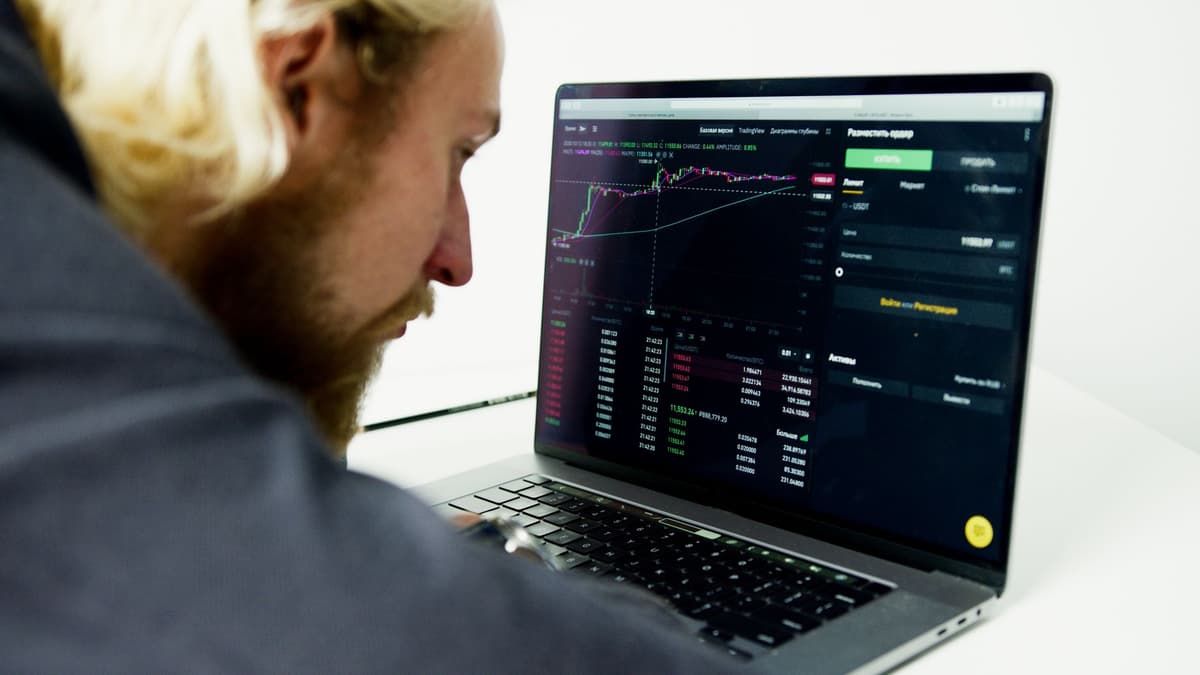
Liquidity migration on Solana in 2026 is driven by institutional-grade DeFi protocols and shifts in yield-bearing assets. By monitoring the movement of capital between liquidity pools and the accumulation patterns of large-scale wallets, participants can identify structural changes in market depth and ecosystem liquidity.
Understanding Liquidity Migration
In the current Solana landscape, liquidity is rarely static. It flows toward protocols that offer the most efficient yield or the deepest trading pairs. When a project undergoes a migration, it often involves moving assets from legacy pools to more advanced, tokenized, or staked environments. For the observant analyst, this movement leaves a clear trail on the ledger that can be verified using a standard block explorer.
Key Metrics for On-Chain Tracking
To effectively monitor these patterns, you must look beyond simple price action. Focus on the underlying structural changes within the liquidity pools.
1. Analyze LP Composition
Check if the liquidity providers are concentrated in a few whale wallets or distributed across a wider set of participants. A shift toward institutional custody or staking-backed liquidity often indicates a move toward long-term stabilization.
2. Monitor Volume-to-Liquidity Ratios
High volume with low liquidity often signals a temporary spike, whereas sustained, high-ratio liquidity migration suggests a structural shift in how users are interacting with the protocol.
3. Track Wallet Clustering
Identify if large inflows to a new pool originate from centralized exchange wallets or from existing decentralized finance protocols. This helps distinguish between organic migration and speculative re-allocation.
Step-by-Step Migration Analysis
Follow these steps to conduct a manual audit of liquidity shifts:
- Identify the target liquidity pool contract address using a block explorer.
- Review the recent transactions to isolate large deposits or withdrawals labeled as 'add' or 'remove' liquidity.
- Compare the net change in TVL (Total Value Locked) against the volume of transactions occurring in the same time window.
- Check the holder distribution of the LP tokens to see if the migration is being driven by a single entity or a broader group of market participants.
- Observe the interaction with yield-bearing assets, such as those associated with liquid staking or institutional vault products.
The Role of Institutional Flows
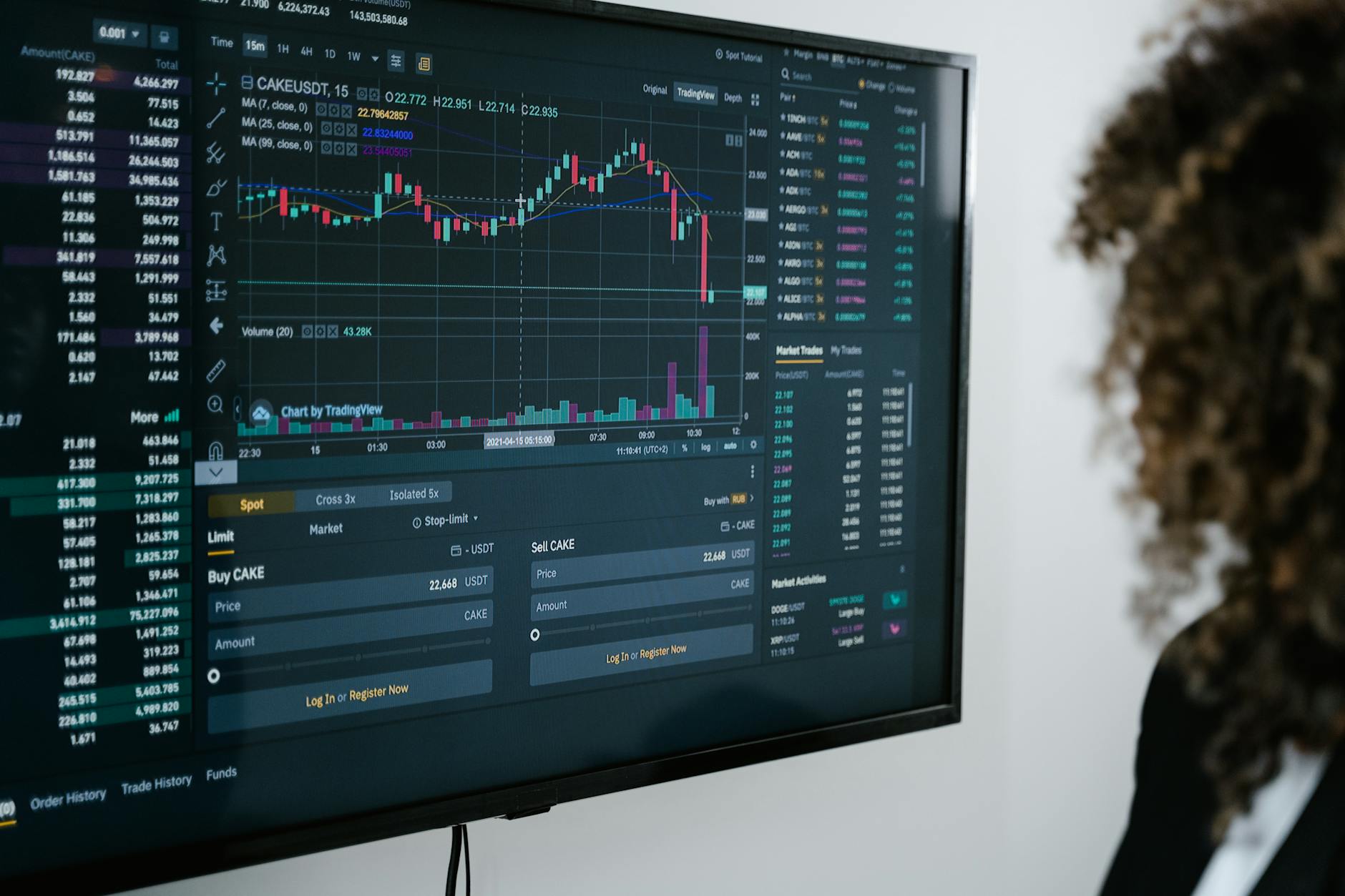
Institutional adoption in 2026 has brought a new layer of complexity to Solana. With large-scale entities utilizing regulated custody for staking, the liquidity landscape is increasingly influenced by institutional-grade infrastructure. This means that migrations are often more deliberate and less volatile than those seen in purely speculative retail environments. Watch for the movement of assets into specialized vaults, as these often serve as a harbinger for broader liquidity trends.
FAQ
How can I tell if a liquidity migration is a sign of a rug pull or a legitimate protocol upgrade?
Legitimate migrations are usually accompanied by public documentation and clear on-chain announcements. Look for activity where liquidity is moved to a new contract that is verified and has a significant portion of its supply locked or staked, rather than just being drained to a personal wallet.
Does institutional support change how I should interpret whale movements?
Yes. While retail whale movements are often highly speculative, institutional movements are typically tethered to yield-generating utility. Look for consistency in holding patterns and integration with established staking platforms rather than short-term, high-frequency trading signatures.
What this is NOT
This content is for educational purposes only. It is not financial advice, not a buy signal, and not an endorsement of any specific token or protocol. Always perform your own research before interacting with any on-chain liquidity pool.
Summary of 2026 Market Dynamics
As we move through 2026, the Solana ecosystem is characterized by a push toward stability and institutional integration. The focus has shifted from high-frequency, low-utility trading to the development of deep, sustainable liquidity markets. By understanding how to read these on-chain patterns, you can better navigate the complexities of the current DeFi environment without relying on speculative hype.
Related posts in On-Chain & Whale Tracking
- On-Chain & Whale Tracking
Tracking Whale Wallets in 2026: A Blueprint for On-Chain Intelligence
Learn how to monitor large wallet movements and identify smart money patterns without relying on blind copy-trading strategies in the evolving crypto market.
Memelogs
- On-Chain & Whale Tracking
Solana Liquidity Migration: Tracking Capital Shifts in 2026
Master the art of tracking on-chain liquidity shifts on Solana. Learn how to monitor whale movements and protocol migrations to stay ahead in 2026.
Memelogs
- On-Chain & Whale Tracking
Reading Bonding Curve Metrics: Analyzing Memecoin On-Chain Activity in 2026
Master the art of reading bonding curve metrics on Solana. Learn to analyze wallet clusters, liquidity, and volume to make informed on-chain decisions.
Memelogs