
Tracking Smart Money Wallets on Solana for 2026: An On-Chain Workflow
Master the art of tracking smart money on Solana. Learn how to identify high-signal wallets, monitor liquidity shifts, and analyze on-chain data flows.

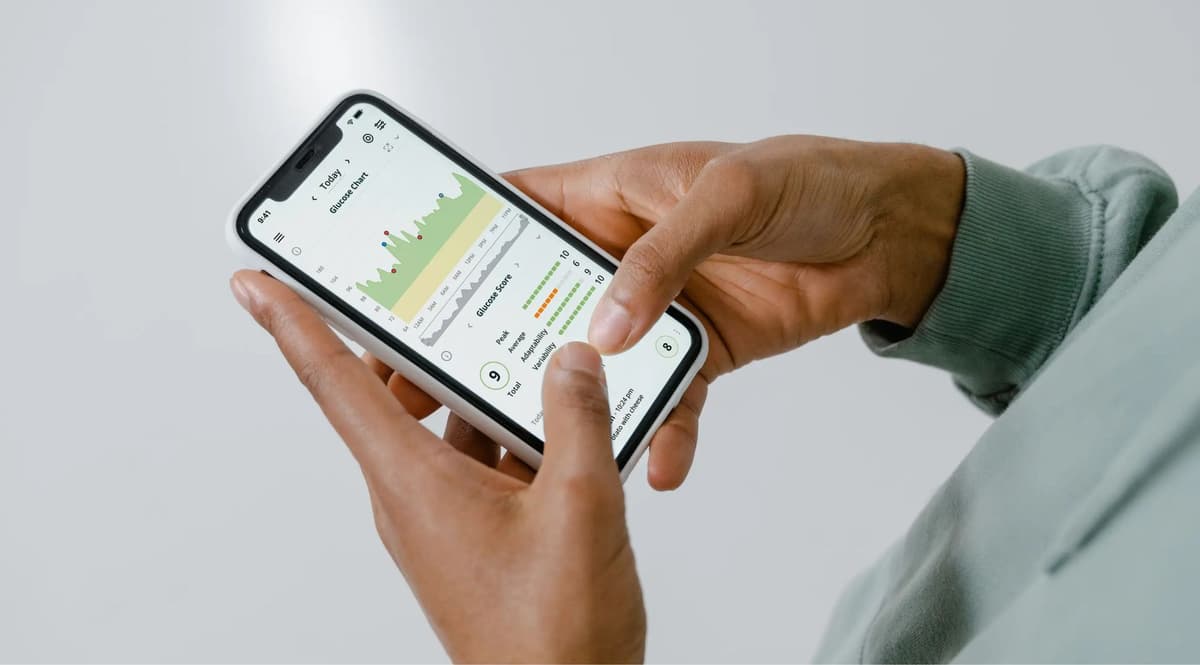
Smart money tracking on Solana involves identifying historically profitable wallets and monitoring their real-time movements through blockchain explorers and analytical platforms. By observing token accumulation, liquidity provision, and exit patterns, participants can understand market shifts without relying on external sentiment. This process requires continuous observation of on-chain data, focusing on wallet clustering and transaction frequency rather than speculative trends.
The Architecture of Smart Money
In the high-velocity Solana network of 2026, the gap between retail participants and sophisticated market players is defined by information latency. Smart money does not move randomly; it follows patterns of liquidity, bonding curve progression, and early-stage accumulation. To track these entities, you must move beyond price charts and interact directly with the ledger.
How to Identify Smart Money
Smart money is not a singular entity but a cluster of wallets that consistently capture early entry points. You identify these by looking for wallets that:
- Interact with liquidity pools immediately upon creation.
- Maintain a high win-rate ratio across multiple distinct token launches.
- Avoid "honeypot" or high-fee traps, indicating technical sophistication.
- Hold positions through volatility rather than panic-selling at the first sign of red candles.
1. Establish a Baseline
Use a block explorer to search for tokens that have successfully migrated from a bonding curve to a decentralized exchange. Review the top holders list. Filter out developer wallets and known treasury addresses to find private wallets that entered early.
2. Verify Historical Performance
Copy the address of a potential smart money wallet into an analytical tool. Look for a history of realized profit. You are looking for a consistent trend of "buy low, sell high" across varied assets. A single lucky trade does not constitute smart money; a sustained, multi-month profit trajectory does.
3. Set Up Real-Time Alerts
Once you have a list of verified high-signal wallets, utilize tracking applications to receive push notifications for their transactions. Configure these alerts to trigger specifically on token buys or liquidity additions. This allows you to observe their activity as it happens on the blockchain.
4. Monitor Liquidity and Holders
When tracking these wallets, check the liquidity pool status of the tokens they are buying. If smart money is moving into a token with low but growing liquidity, it may suggest an early-stage position. Conversely, if a wallet begins distributing its holdings into a high-volume pool, it is a clear indicator of profit-taking.
The Mechanics of On-Chain Analysis
Effective tracking requires reading raw data. When a wallet makes a move, analyze the transaction hash. Look at the specific program ID involved. Are they interacting with a standard decentralized exchange router? Are they using custom scripts for execution? Understanding the 'how' behind their transactions provides insight into their technical capabilities.
FAQ
What is the most important metric when evaluating a wallet?
The most critical metric is the realized profit-to-loss ratio over a significant timeframe. A wallet that consistently nets gains across diverse market conditions is more valuable to monitor than one that hits a single high-return event.
Can smart money tracking guarantee consistent profits?
No. Following smart money is not a path to guaranteed gains. Market participants often hedge positions, use multiple wallets to mask activity, or provide liquidity to trap followers. This approach is for informational analysis and is not financial advice, nor is it a buy signal.
What this is NOT
This guide is for educational purposes only. It is not financial advice, not a buy signal, and not a promise of future performance. On-chain analysis carries significant risk, and historical performance of any wallet is never an indicator of future results.
Conclusion
Tracking smart money on Solana is a process of filtration. By removing noise and focusing on verifiable on-chain behavior, you can develop a clearer picture of market dynamics. Focus on the data, ignore the hype, and always perform your own due diligence on every token and wallet you encounter.
Related posts in On-Chain & Whale Tracking
- On-Chain & Whale Tracking
Tracking Whale Wallets in 2026: A Blueprint for On-Chain Intelligence
Learn how to monitor large wallet movements and identify smart money patterns without relying on blind copy-trading strategies in the evolving crypto market.
Memelogs
- On-Chain & Whale Tracking
Solana Liquidity Migration: Tracking Capital Shifts in 2026
Master the art of tracking on-chain liquidity shifts on Solana. Learn how to monitor whale movements and protocol migrations to stay ahead in 2026.
Memelogs
- On-Chain & Whale Tracking
Reading Bonding Curve Metrics: Analyzing Memecoin On-Chain Activity in 2026
Master the art of reading bonding curve metrics on Solana. Learn to analyze wallet clusters, liquidity, and volume to make informed on-chain decisions.
Memelogs