
Tracking Smart Money Wallets on Solana: On-Chain Analysis for Token 2026
Learn how to track smart money wallets on Solana by analyzing on-chain transaction data, liquidity movements, and holder behavior for informed market insights.

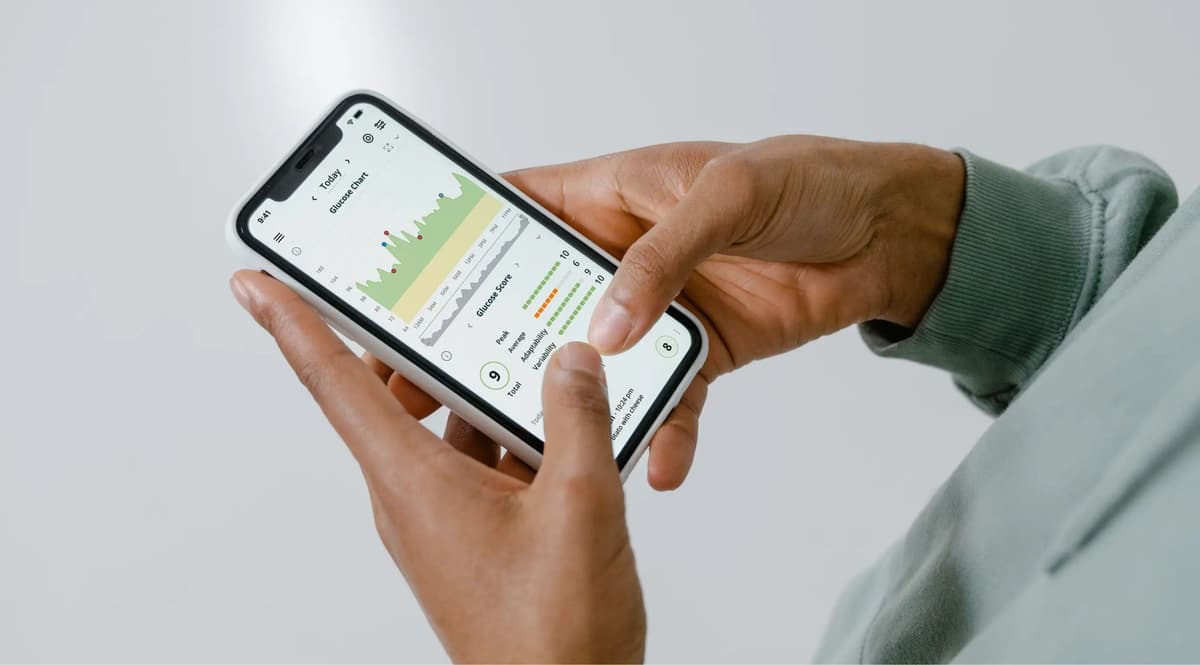
Tracking smart money on Solana involves monitoring specific wallet addresses that consistently execute profitable trades early in a token's lifecycle. By leveraging block explorers and on-chain analytics tools, you can observe large inflow patterns, liquidity provision, and high-frequency transfer events to identify sophisticated participants without relying on speculation.
Understanding Smart Money Mechanics
In the Solana ecosystem, smart money is defined by a consistent ability to capture liquidity before the broader market reacts. These participants often interact with new contracts during the earliest phases of deployment. To track them effectively, you must shift your focus from price action to raw data.
What this is NOT: This is not financial advice, and this is not a buy signal. Market conditions change rapidly, and past performance of a wallet does not guarantee future results.
Identifying High-Impact Wallets
Successful tracking relies on identifying addresses that demonstrate specific behavioral patterns. You are looking for wallets that show a history of realized gains rather than just holding speculative assets. Use on-chain explorers to inspect the following metrics:
- Transaction frequency: Look for wallets that interact with new token pairs shortly after liquidity addition.
- Holding duration: Observe how long these wallets hold a position before offloading, which helps distinguish between long-term conviction and rapid profit-taking.
- Portfolio concentration: Analyze if the wallet is heavily diversified or focused on specific market sectors within the Solana ecosystem.
1. Monitor Transaction Volume
High volume in a single transaction can be a signal, but it is often noise. Filter for transactions that involve a significant percentage of the available liquidity pool. When a wallet consistently moves large sums into unverified or newly minted tokens, it warrants closer inspection.
2. Analyze Liquidity Provision
Smart money often acts as an early liquidity provider. By checking the "Holders" tab on a block explorer, you can see if specific addresses provided the initial liquidity for a token. This is often the most reliable way to identify an insider or a highly sophisticated participant.
3. Trace Fund Origins
Before trusting an address, check where its capital originated. Wallets that are funded by centralized exchanges and immediately pivot to decentralized trading are often easier to follow than those using complex bridging or mixing services. Use the explorer to trace the transaction history back to the initial funding event.
Data Table: Key On-Chain Metrics
| Metric | Purpose | Observation Frequency |
|---|---|---|
| Transaction Time | Determining entry speed relative to launch | Daily |
| Wallet Balance | Identifying capital capacity | Per Trade |
| Token Migration | Tracking movement from bonding curves | Real-time |
| Holder Concentration | Assessing risk of mass liquidation | Weekly |
FAQ
How can I tell if a wallet is using a bot to trade?
Bots typically exhibit non-human behavior, such as executing transactions at exact intervals or consistently hitting the same gas fees regardless of network congestion. If you see thousands of transactions with identical patterns, you are likely tracking an automated script rather than a human investor.
What should I do if the data on the explorer is delayed?
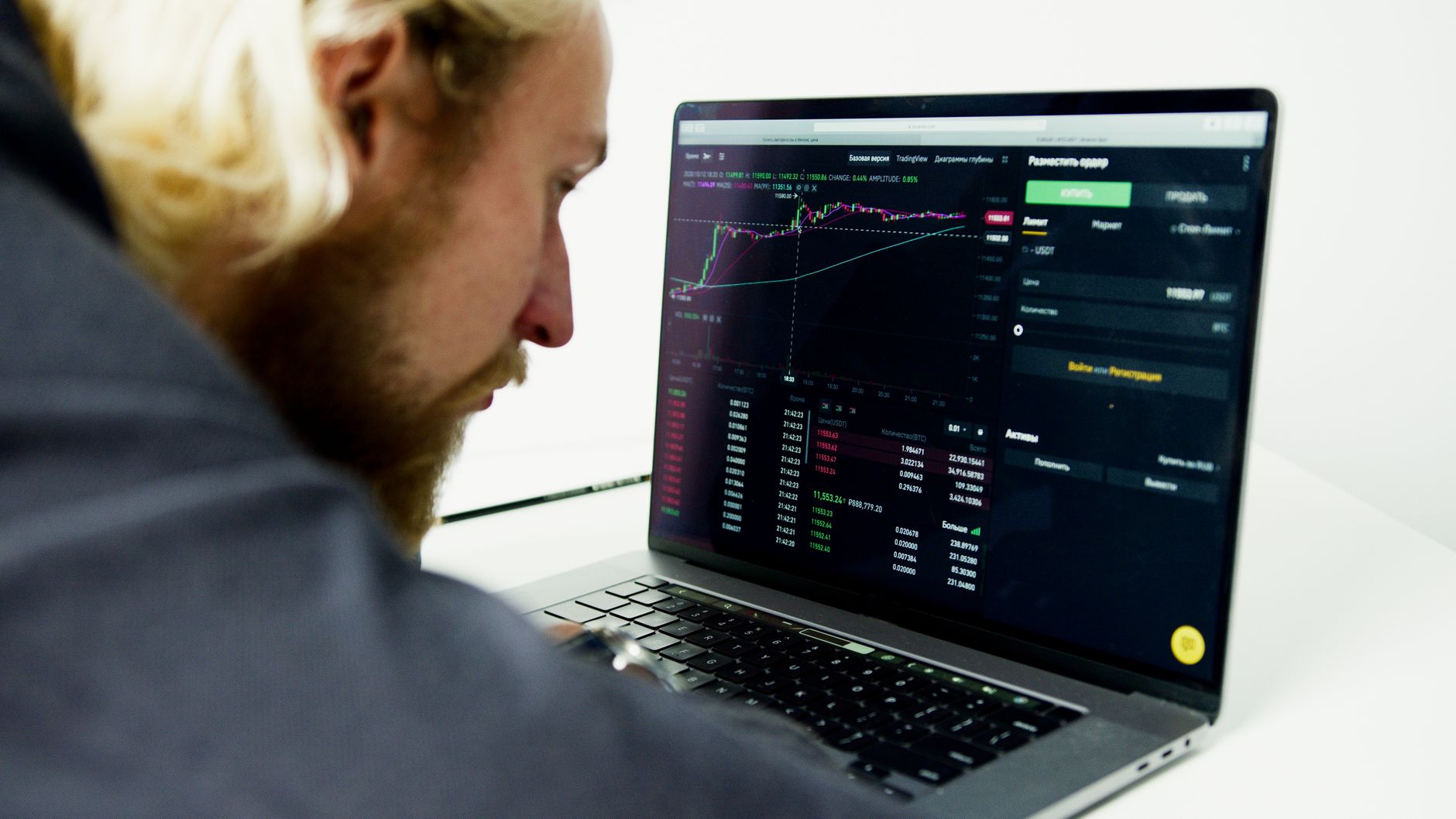
On-chain data is generally immutable, but the indexing speed of public explorers can vary during periods of high network congestion. If you notice a lag, verify the transaction directly through a node or use a secondary block explorer to cross-reference the data points before making an assessment.
Final Considerations
Tracking smart money is an exercise in data hygiene. Avoid the temptation to follow every move a "whale" makes, as they often hedge their positions or use multiple wallets to distribute risk. Always prioritize verification by checking the movement of funds across multiple blocks rather than relying on a single transaction notification. By maintaining a disciplined approach to reading on-chain logs, you can develop a clearer picture of market sentiment and capital flow.
Related posts in On-Chain & Whale Tracking
- On-Chain & Whale Tracking
Memecoin Playbook 2026: Analyzing Wallets, Liquidity, and Holder Concentration
Master the fundamentals of on-chain analysis for Solana memecoins. Learn how to verify liquidity, track wallet clusters, and assess holder concentration in…
Memelogs
- On-Chain & Whale Tracking
Solana Rug Pull 2026: Identifying On-Chain Red Flags Before You Trade
Learn how to spot malicious Solana token launches by analyzing liquidity, wallet distribution, and contract logic. Protect your capital with on-chain due…
Memelogs
- On-Chain & Whale Tracking
Solana Whale Tracking: A 2026 Framework for On-Chain Analysis
Learn how to track whale wallets on Solana without blind copy-trading. Master on-chain data, liquidity checks, and exchange flow analysis for informed…
Memelogs