
Tracking Smart Money Wallets on Solana for 2026: An On-Chain Methodology
Learn the technical process of identifying and monitoring high-signal wallets on the Solana network to improve your on-chain research and market data analysis.

Tracking smart money on Solana involves identifying wallet clusters that consistently interact with liquidity pools before significant price movements. By utilizing block explorers and on-chain analytics platforms, researchers can monitor real-time transaction flows, entry timing, and token concentration to build a data-driven view of market activity.
Understanding the On-Chain Landscape
In the high-velocity environment of the Solana network, the primary differentiator between market participants is information latency. On-chain analysis is not about predicting future price action, but about observing historical patterns and current capital allocation. Smart money refers to addresses that demonstrate consistent profitability through early entry into new tokens or efficient management of liquidity positions.
What this is NOT: This content is for educational purposes only. It is not financial advice, not a buy signal, and does not guarantee results in any market condition.
The Technical Workflow for Wallet Tracking
To effectively track addresses, you must move beyond simple balance checks and focus on behavioral patterns. The following steps outline how to build a systematic monitoring process.
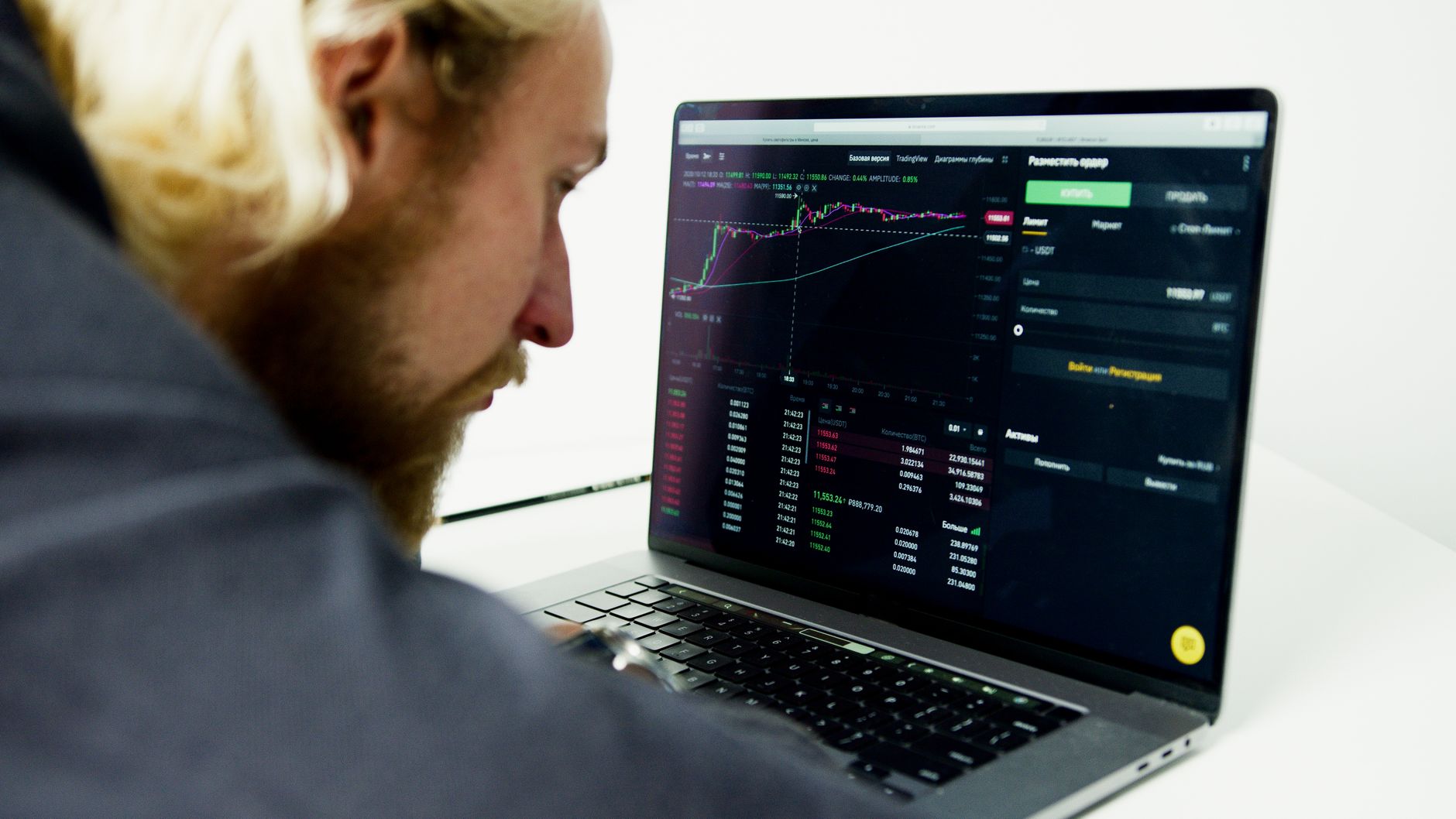
1. Identification of Seed Wallets
Look for wallets that interact with decentralized exchange routers or known token deployment addresses. Use block explorers to identify the initial funding source of a wallet. If a wallet consistently interacts with a contract before a liquidity migration, it suggests a higher level of technical awareness.
2. Analyzing Transaction Frequency
Monitor the velocity of trades. High-frequency interactions with low-liquidity pools often indicate automated scripts or sophisticated participants managing risk. Use analytics tools to filter for transactions that occur within seconds of a token’s bonding curve initiation.
3. Monitoring Liquidity Participation
Check the percentage of total liquidity provided by a specific address. If a wallet is a primary liquidity provider at launch, it may indicate a relationship with the project developers. Cross-reference these findings with the token holder distribution list to see if the wallet is actively accumulating or distributing assets.
4. Establishing Alert Triggers
Configure notifications for specific wallet activity. Focus on "whale" movements, defined as transactions that represent a significant percentage of the current market capitalization of a specific token. Tracking these movements provides a clearer picture of liquidity shifts within the ecosystem.
Analyzing On-Chain Data Points
When evaluating a wallet, you must look at specific metrics that indicate sophistication. Focus on these core areas:
- Realized Profit/Loss: Does the wallet consistently exit positions before significant drawdowns?
- Token Concentration: Does the address hold a diverse portfolio or is it focused on high-risk, low-cap assets?
- Holding Duration: How long does the wallet hold a position before rotating into new assets?
| Metric | Significance |
|---|---|
| Entry Timing | Indicates access to information or efficient scraping tools |
| Liquidity Role | Shows potential alignment with project operators |
| Rotation Speed | Reflects risk tolerance and capital management style |
Avoiding Noise in Whale Tracking
Not every large transaction is a signal of "smart" movement. Many large wallets are simply automated bots or exchange-controlled hot wallets. To filter out noise, exclude addresses that show direct interaction with known centralized exchange deposit addresses, as these are often retail-facing or custodial systems rather than proprietary trading entities.
FAQ
How can I differentiate between a smart wallet and a lucky participant?
Consistency is the primary indicator. A smart wallet will show a statistically significant track record of entering positions early and exiting before total liquidity depletion, whereas a lucky participant typically shows high variance in performance and lacks a repeatable pattern of entry.
What is the role of AI-powered labeling in wallet tracking?
AI-powered tools assist in categorizing addresses by labeling them based on historical behavior, such as identifying if a wallet belongs to a known decentralized exchange, a bridge, or a high-frequency trading entity. This allows researchers to ignore infrastructure wallets and focus exclusively on individual or institutional capital flows.
Related posts in On-Chain & Whale Tracking
- On-Chain & Whale Tracking
Tracking Smart Money Wallets on Solana: A Technical Workflow for 2026
Learn how to monitor Solana on-chain data to identify whale activity and institutional flow. A technical guide for tracking smart money movements in 2026.
Memelogs
- On-Chain & Whale Tracking
Solana Liquidity Migration: Tracking Whale Patterns on DEXs in 2026
Master the art of tracking Solana liquidity migrations. Learn how to identify whale accumulation and DEX volume shifts using on-chain data analysis.
Memelogs
- On-Chain & Whale Tracking
On-Chain Accumulation: Tracking Whale Behavior in the 2026 Solana Narrative
Learn how to track whale accumulation patterns on Solana using on-chain metrics. Master the art of identifying institutional interest before market trends…
Memelogs