
Tracking Smart Money Wallets on Solana: A Technical Workflow for 2026
Learn how to monitor Solana on-chain data to identify whale activity and institutional flow. A technical guide for tracking smart money movements in 2026.

Tracking smart money on Solana involves identifying wallet clusters that consistently interact with liquidity pools before significant price action. By utilizing on-chain explorers and analytical scanners, participants can monitor specific address behaviors to understand market positioning without relying on sentiment or hype.
Understanding Smart Money Architecture
In the high-velocity environment of the Solana network, smart money is defined by addresses that demonstrate early entry into liquidity pools and high-profitability exits. These wallets often act as market participants who operate with lower latency or access to better data aggregation. Tracking them is not about copying trades, but about understanding the flow of liquidity and the structural changes in token distribution.
The Mechanics of Wallet Analysis
To effectively track these entities, you must focus on four primary on-chain metrics:
- Entry timing relative to liquidity pool (LP) initialization.
- Token concentration among the top 10 holders.
- Frequency of wash trading versus organic volume.
- Migration patterns to decentralized exchanges.
Technical Workflow for Wallet Tracking
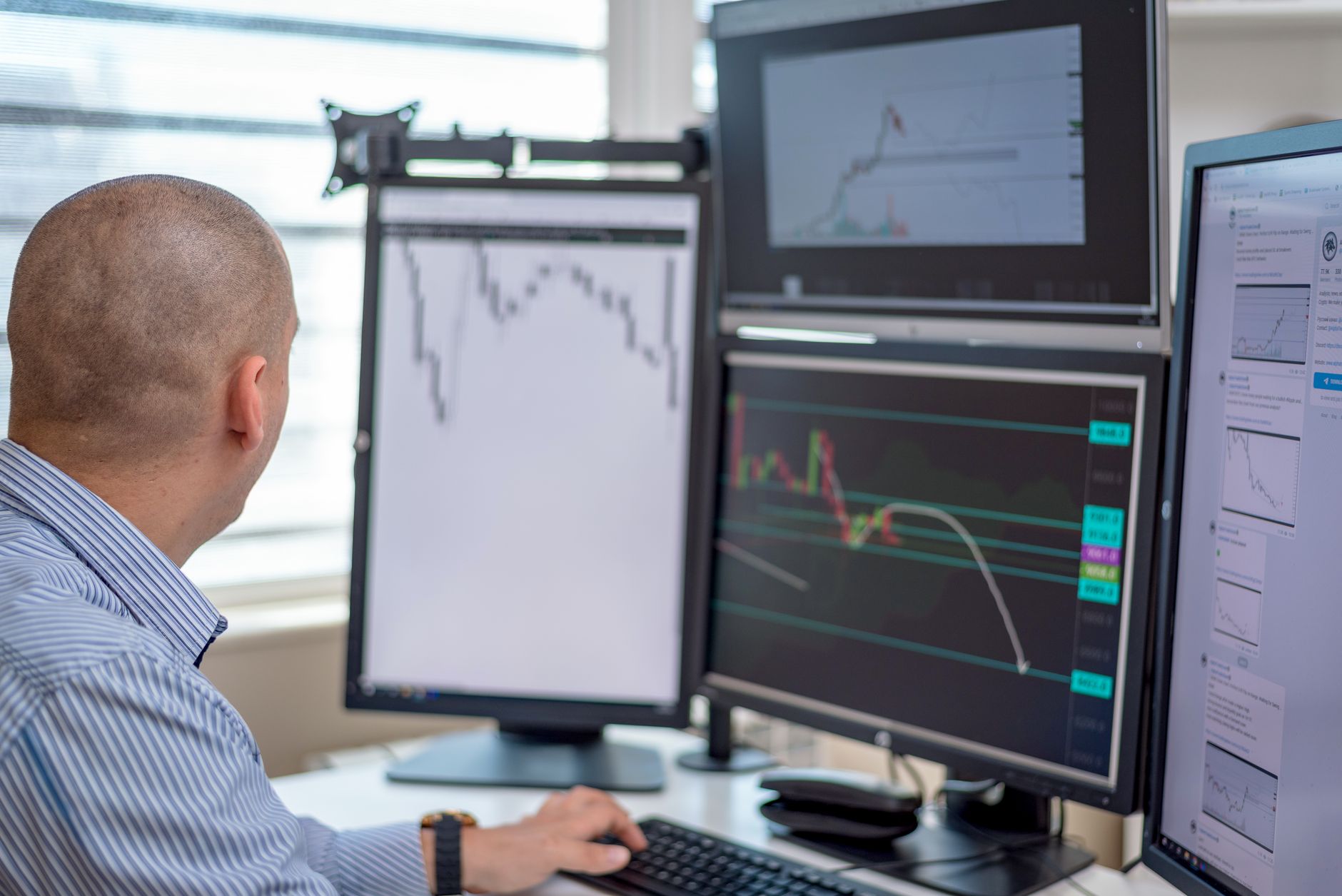
1. Identification of Seed Wallets
Look for wallets that fund multiple new addresses. Often, a single parent wallet will distribute SOL to several sub-wallets to obscure their activity. By tracing the origin of funds, you can identify the primary "whale" entity behind a cluster of smaller wallets.
2. Monitoring Liquidity Pool Interaction
Use on-chain explorers to view the transaction history of a token pair immediately after its creation. Smart money often interacts with the bonding curve or the initial liquidity provision phase. Filter for transactions that occur within the first few blocks of a token launch.
3. Analyzing Holder Distribution
Examine the token holder tab on any major Solana block explorer. If a significant percentage of the supply is held by a few wallets that have not sold despite volatility, this indicates a high-conviction position. Conversely, look for rapid distribution patterns that suggest profit-taking.
4. Setting Up On-Chain Alerts
Configure notifications for specific wallet addresses that meet your profitability criteria. By tracking their movements in real-time, you can observe how they react to network congestion or sudden changes in market volume. This provides a baseline for understanding how sophisticated actors navigate the Solana ecosystem.
What this is NOT
This information is for educational purposes only. It is not financial advice, nor is it a signal to buy or sell any asset. On-chain data is public, but interpreting it involves significant risk; past performance of a wallet does not guarantee future results.
Frequently Asked Questions
How can I differentiate between a whale and a bot?
Bots typically execute high-frequency transactions with precise intervals and automated slippage settings. Whales often exhibit larger, less frequent trades and may hold positions across multiple liquidity pools over longer durations.
What is the most important metric to check before analyzing a wallet?
Always verify the realized profit/loss ratio of the wallet over a minimum of 30 to 90 days. A wallet that has consistently captured gains across various market conditions is a more reliable subject for study than one that appears to have had a single lucky trade.
Data Limitations in 2026
While tools for on-chain analysis have become more sophisticated, they are not infallible. Many smart money actors now utilize private RPC nodes to execute transactions before they appear on the public mempool. Furthermore, some wallets may be part of a larger ecosystem of internal transfers designed to obfuscate true intent. Always cross-reference multiple data sources to ensure the information you are viewing represents actual market movement rather than internal rebalancing or testing.
By focusing on the structural data—liquidity, holder count, and transaction timing—you can build a more objective view of the Solana network, moving beyond the noise of social sentiment.
Related posts in On-Chain & Whale Tracking
- On-Chain & Whale Tracking
Tracking Smart Money Wallets on Solana for 2026: An On-Chain Methodology
Learn the technical process of identifying and monitoring high-signal wallets on the Solana network to improve your on-chain research and market data analysis.
Memelogs
- On-Chain & Whale Tracking
Solana Liquidity Migration: Tracking Whale Patterns on DEXs in 2026
Master the art of tracking Solana liquidity migrations. Learn how to identify whale accumulation and DEX volume shifts using on-chain data analysis.
Memelogs
- On-Chain & Whale Tracking
On-Chain Accumulation: Tracking Whale Behavior in the 2026 Solana Narrative
Learn how to track whale accumulation patterns on Solana using on-chain metrics. Master the art of identifying institutional interest before market trends…
Memelogs