
On-Chain Accumulation Patterns: Tracking Whale Behavior in 2026
Learn how to track whale accumulation patterns on-chain. Identify institutional-grade movement and fresh wallet behavior before market narratives shift.

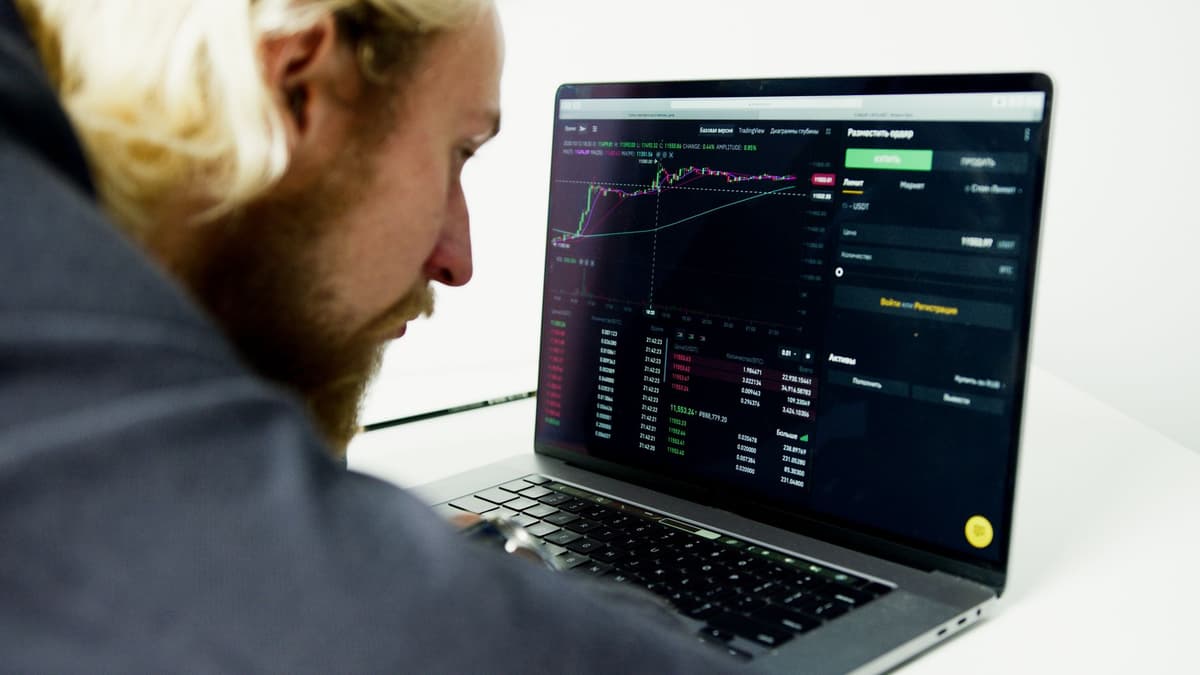
Fresh wallet accumulation is identified by tracking sustained inflow of assets into non-exchange addresses, often preceding broader market shifts. By monitoring clusters of new wallets that aggregate liquidity during periods of high volatility, market participants can observe institutional confidence levels before a narrative gains mainstream traction.
The Anatomy of Accumulation
Accumulation is rarely a single transaction. It is a calculated process where large-scale participants, often referred to as whales, distribute their buying pressure across multiple wallets to minimize slippage and avoid immediate market impact. In the early months of 2026, we have observed significant shifts in both the Solana and Ethereum ecosystems, where large holders have continued to stack positions despite price volatility.
Understanding how these entities move requires looking past surface-level volume. It involves identifying the difference between retail churn and strategic, long-term positioning. When a cluster of fresh wallets begins to hold significant percentages of a circulating supply without immediate selling, it creates a supply-side imbalance that often precedes a narrative shift.
How to Track Accumulation Patterns
Tracking these movements requires a systematic approach to block explorer data. You are not looking for a specific token, but rather the behavior of capital flow.
1. Identify Wallet Clusters
Use a block explorer to monitor the top 100 holders. Look for addresses that were created recently but have accumulated a high volume of a specific asset. When multiple new wallets exhibit identical transaction patterns—such as receiving funds from a common bridge or exchange simultaneously—it suggests a single entity or group is preparing to scale into a position.
2. Monitor Liquidity Depth
Check the liquidity pools (LP) associated with the assets you are researching. A healthy accumulation phase often sees whales providing liquidity or buying through pools during dips. If you notice large, consistent buys that do not immediately dump, it indicates a long-term interest in the asset rather than a swing trade.
3. Analyze Holding Duration
Use on-chain tools to check the average holding time of the top holders. A rising average holding time indicates that whales are not moving their assets back to exchanges. This behavior is a strong signal of conviction, as seen in the Solana ecosystem throughout the start of 2026, where large holders maintained their positions despite significant price corrections.
4. Observe Exchange Outflows
Watch for consistent net outflows from centralized exchanges to private wallets. When these outflows occur at scale, it suggests that the assets are being moved into cold storage or being prepared for long-term staking, effectively removing them from the liquid market supply.
Why Narrative Follows Accumulation
Markets are reactive. When whales accumulate an asset, they are betting on a future state of the network. As more liquidity flows into these specific assets, the market cap grows, and the token gains visibility. This visibility eventually attracts retail interest, which is when the narrative officially begins to heat up. By the time a topic reaches mainstream discussion, the initial accumulation phase is usually complete.
FAQ
Does a high volume of transactions always mean whale accumulation?
No. High volume can often indicate high-frequency trading or retail churn. You must distinguish between "buy-and-hold" patterns and high-frequency "buy-and-sell" activity by checking the duration the assets remain in the receiving wallets.
Why do whales use multiple wallets instead of one?
Large holders use multiple wallets to distribute their risk and avoid "slippage" during entries. It also makes their total footprint less obvious to standard market observers who might only be tracking the top ten individual holders on a standard leaderboard.
What this is NOT
This guide is not financial advice, nor does it provide any signal to buy or sell specific assets. On-chain data is a historical record of what has happened, not a prediction of future market movements. Always conduct your own research before interacting with any decentralized protocol or asset. All market activity involves inherent risk, and historical accumulation patterns do not guarantee future performance.
Related posts in On-Chain & Whale Tracking
- On-Chain & Whale Tracking
Solana On-Chain Red Flags: How to Spot Whale Manipulation in 2026
Master the art of reading Solana on-chain data. Learn to identify whale accumulation, liquidity risks, and wallet clusters in new token launches safely.
Memelogs
- On-Chain & Whale Tracking
On-Chain Accumulation: Tracking Whale Patterns in the 2026 Solana Ecosystem
Learn how to monitor fresh wallet accumulation on Solana. Discover how to track whale movements and on-chain signals before new market narratives take hold.
Memelogs
- On-Chain & Whale Tracking
Tracking Whale Wallets in 2026: A Technical Approach to On-Chain Analysis
Learn how to monitor whale wallets on Solana using on-chain data. Master the art of filtering whale activity from noise to improve your market analysis.
Memelogs