
Solana Liquidity Migration: Tracking Whale Patterns on DEXs in 2026
Master the art of tracking Solana liquidity migrations. Learn how to identify whale accumulation and DEX volume shifts using on-chain data analysis.

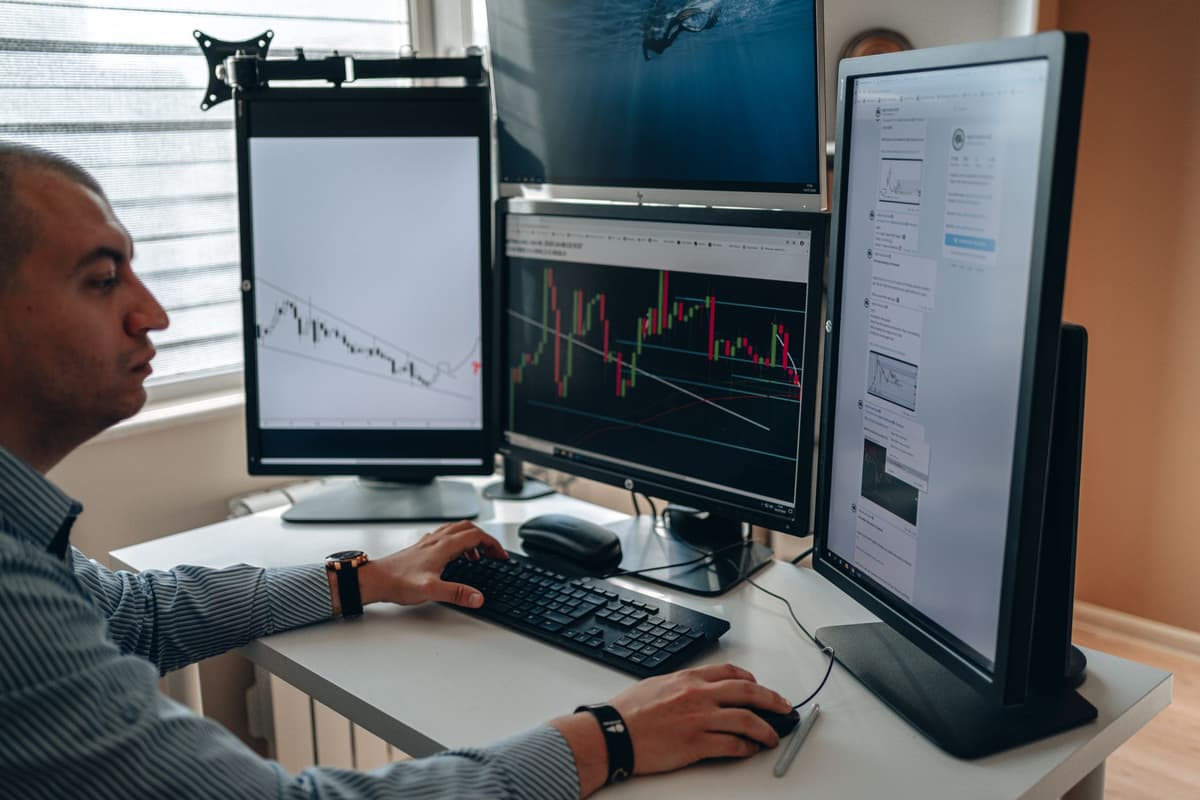
Liquidity migration on Solana in 2026 refers to the movement of capital between liquidity pools and across different decentralized exchanges as market participants seek optimal yield and price execution. By monitoring wallet clusters, LP stability, and router volume, market participants can identify shifts in smart money positioning before broader market trends materialize.
Understanding the Migration Landscape
In 2026, the Solana ecosystem operates as a massive, interconnected trading venue. With annual DEX volumes reaching the trillion-dollar mark, the infrastructure has evolved to favor aggregators that route liquidity across multiple pools. Understanding where this liquidity flows is no longer just about checking one pool; it is about tracking the path of least resistance for large capital.
Liquidity migration often follows a predictable cycle: initial deployment, consolidation by early whale wallets, and eventual distribution to retail participants. Recognizing these patterns requires a shift from superficial price watching to structural on-chain analysis.
How to Track Liquidity Movements
1. Analyze Router Volume Distributions
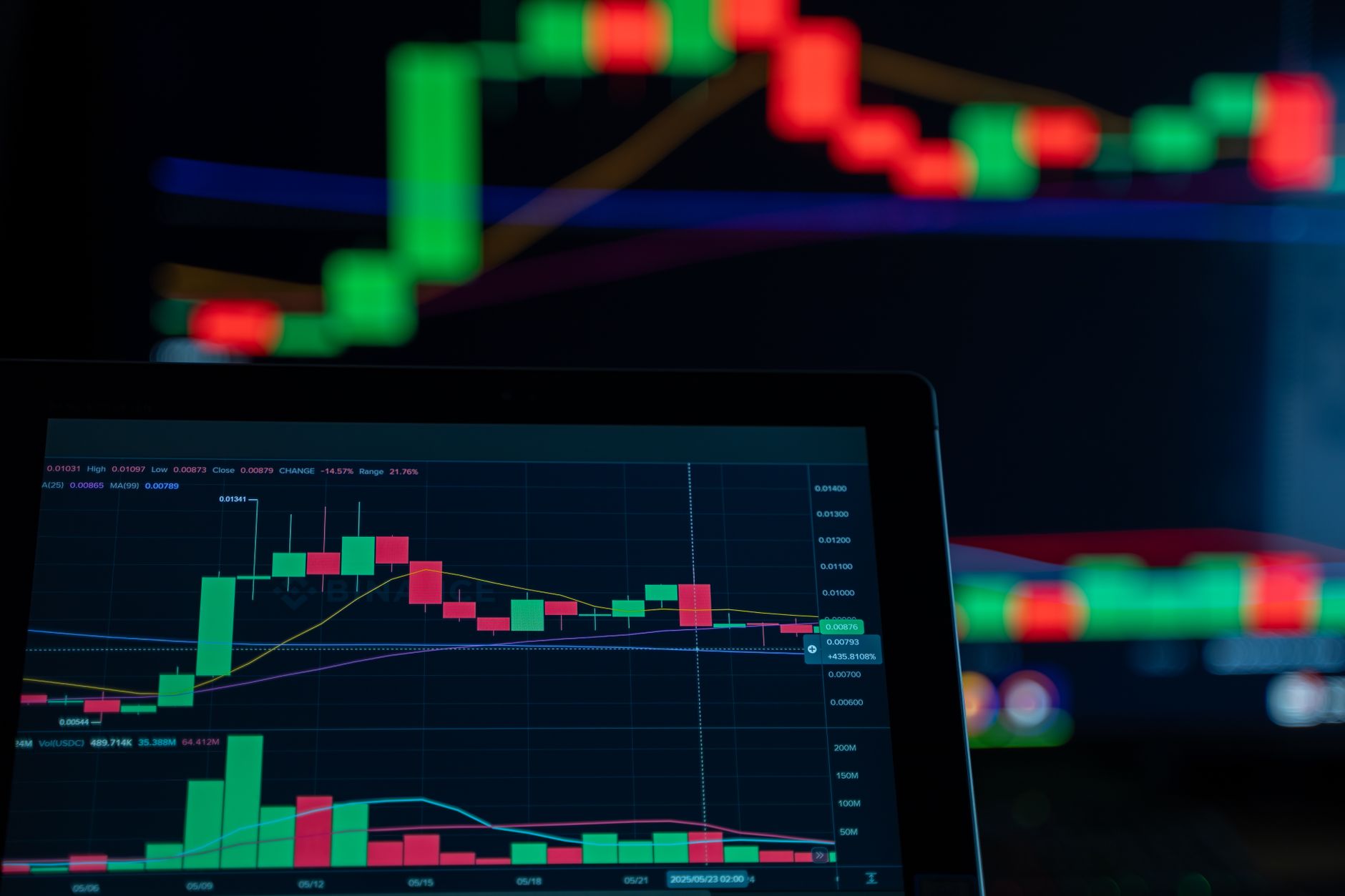
Most volume on Solana does not land directly on a single DEX pool. Instead, it flows through routers and aggregators. Use a block explorer to check if a token’s volume is concentrated in one pool or split across several. A sudden shift in the routing path often indicates that larger entities are adjusting their slippage tolerance or seeking deeper liquidity to facilitate larger entries or exits.
2. Identify Wallet Clustering
Monitor the top 50 holders of a token. In 2026, sophisticated participants rarely use a single wallet. Look for clusters of wallets that were funded from the same source or that interact with the same smart contracts simultaneously. If a significant percentage of a token's supply is held by a cluster that has recently migrated funds from a stablecoin vault to a new memecoin pool, it signals high-conviction movement.
3. Audit LP Token Ownership
Liquidity Provider (LP) tokens represent the foundation of a project's trading viability. Check the on-chain data to see if LP tokens are locked or held by a single multi-signature wallet. If you observe that a large portion of liquidity is being withdrawn and re-deposited into a different pool, investigate the destination. This is often the primary indicator of a liquidity migration event.
4. Monitor New Wallet Growth
While whale activity is critical, the influx of new, unique wallets interacting with a token contract is a lagging but vital confirmation. If liquidity is migrating into a project but the number of unique holders remains flat, it suggests internal rebalancing. If the number of wallets grows alongside the liquidity pool, it indicates organic interest.
Key Metrics Table
| Metric | Purpose | Signal Type |
|---|---|---|
| Router Volume | Identifies aggregation path | Execution Quality |
| Wallet Cluster | Tracks entity behavior | Smart Money Intent |
| LP Concentration | Monitors pool stability | Risk Assessment |
| Unique Holder Count | Validates market breadth | Growth Momentum |
Risks and Considerations
It is important to remember that on-chain data is transparent but often deceptive. Large actors intentionally obfuscate their positions by splitting transactions across multiple wallets or using intermediaries. Furthermore, high volume does not always correlate with price appreciation; it can simply represent high-frequency arbitrage activity or wash trading designed to attract attention.
What this is NOT: This is not financial advice, not a buy signal, and not a recommendation to participate in any specific market activity. Always perform your own research and verify all on-chain data independently.
FAQ
How can I tell if a liquidity migration is a sign of a rug pull or an infrastructure upgrade?
An infrastructure upgrade usually involves a transparent migration to a new, audited contract address, often accompanied by official documentation or governance signals. A rug pull is typically characterized by the sudden removal of liquidity without a corresponding deposit into a new, verifiable pool, often executed in a single block to minimize slippage for the perpetrator.
Does high DEX volume always mean a token is healthy?
No. High volume can be generated by automated trading bots, arbitrageurs, or wash trading. To determine health, look at the diversity of the holder base and the consistency of the liquidity pool over time, rather than just the daily dollar volume.
Related posts in On-Chain & Whale Tracking
- On-Chain & Whale Tracking
On-Chain Accumulation: Tracking Whale Behavior in the 2026 Solana Narrative
Learn how to track whale accumulation patterns on Solana using on-chain metrics. Master the art of identifying institutional interest before market trends…
Memelogs
- On-Chain & Whale Tracking
On-Chain Accumulation Patterns: Tracking Whale Behavior in 2026
Learn how to track whale accumulation patterns on-chain. Identify institutional-grade movement and fresh wallet behavior before market narratives shift.
Memelogs
- On-Chain & Whale Tracking
Solana On-Chain Red Flags: How to Spot Whale Manipulation in 2026
Master the art of reading Solana on-chain data. Learn to identify whale accumulation, liquidity risks, and wallet clusters in new token launches safely.
Memelogs