
Tracking Smart Money Wallets on Solana: A 2026 On-Chain Analysis Framework
Master the art of tracking smart money on Solana. Learn to identify profitable wallets, monitor liquidity, and parse on-chain data for smarter market analysis.

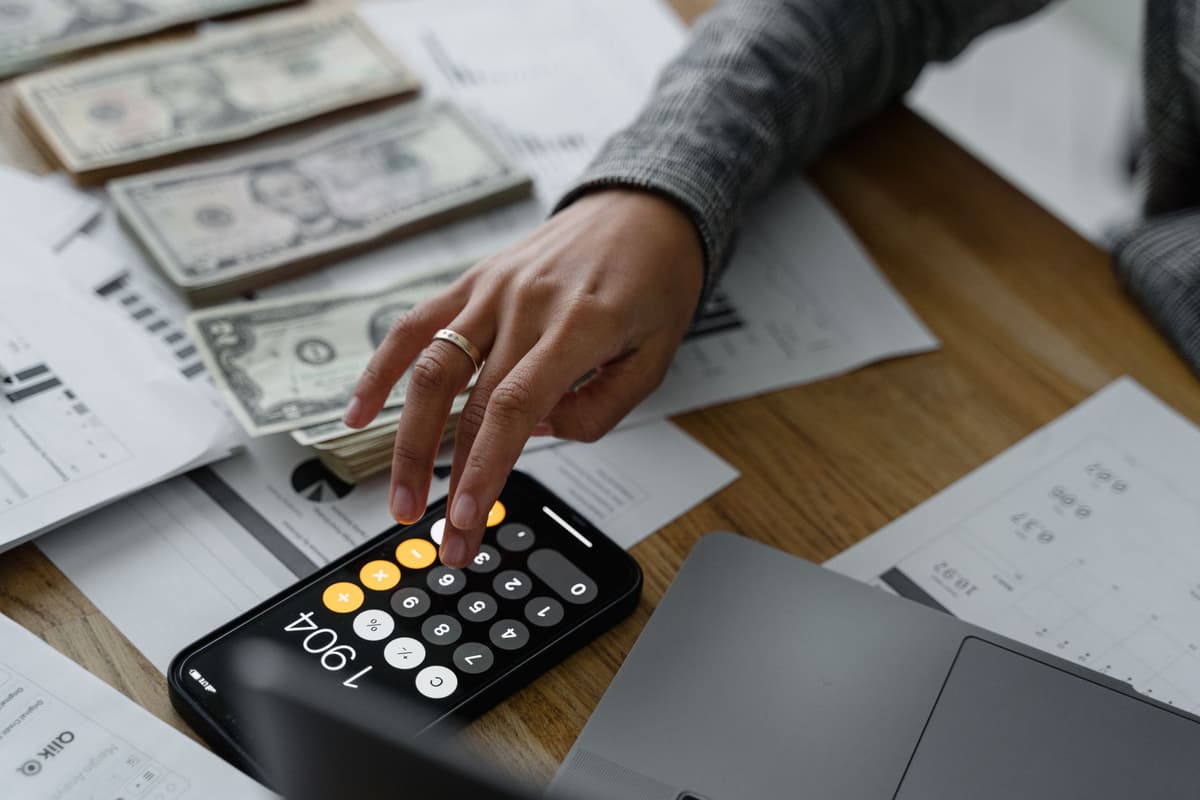
Tracking smart money on Solana involves identifying wallets with high historical win rates and monitoring their real-time on-chain activity. By analyzing wallet clusters, token accumulation patterns, and liquidity migration events, market participants can observe institutional and high-conviction movements without relying on external hype or speculation.
The Anatomy of a Smart Money Wallet
In the Solana ecosystem, 'smart money' refers to addresses that demonstrate consistent profitability through early entry and strategic exits. These wallets are not necessarily always correct, but they are often early to identify liquidity shifts and high-volume cycles. Identifying these entities requires a shift from sentiment-based analysis to data-driven observation.
Core Indicators of Sophisticated Activity
- Early accumulation: Wallets that purchase tokens shortly after deployment, often before high-volume social media engagement.
- High-frequency rotation: Addresses that cycle capital through multiple high-liquidity assets while maintaining a high percentage of profitable trades.
- Liquidity provider activity: Wallets that interact directly with bonding curve contracts or provide initial liquidity for new deployments.
Strategic Tracking Framework
To effectively monitor these entities, one must rely on direct on-chain data rather than third-party dashboards alone. The goal is to build a repeatable process for filtering signal from noise.
1. Filter for High-ROI Wallets
Identify addresses that have historically profited from early-stage memecoin entries. Use block explorers to review the 'Token Transfers' tab for any given wallet. Focus on the time delta between the token creation block and the wallet’s first purchase.
2. Analyze Holding Patterns
Look for wallets that do not immediately dump at the first sign of profit. Smart money often scales out of positions as liquidity increases. If a wallet holds a significant percentage of a supply through a major price appreciation, it indicates high conviction or insider-level information.
3. Monitor Liquidity and Migration
Track when liquidity is locked or migrated to decentralized exchanges. Many smart money wallets trigger their sell orders exactly when these liquidity events occur. You can use program-specific calls to monitor the interaction with the liquidity pool vault.
4. Observe Transaction Clusters
Use on-chain tools to check if specific wallet clusters are acting in unison. If five distinct wallets purchase the same obscure token within seconds of each other, it often signals a coordinated effort or a single actor managing multiple accounts to obfuscate their footprint.
Technical On-Chain Verification
When evaluating a wallet, you must go beyond the surface. Raw transaction data provides the most accurate picture of intent. You can utilize programmatic methods to query account data.
| Metric | Importance | Action |
|---|---|---|
| Transaction Count | Medium | Verify if the wallet is a bot or a human entity |
| Token Diversity | High | Check if the wallet holds only one asset or a portfolio |
| Holding Duration | High | Assess if the wallet is a long-term staker or a sniper |
| Realized Profit | Critical | Confirm historical success rates via wallet profit/loss reports |
Understanding Risk and Limitations
It is important to remember that tracking wallets is a study of past behavior, not a prediction of future results. Many sophisticated actors intentionally seed 'decoy' wallets to mislead observers. Always cross-reference your findings with broader market volume and liquidity health.
What this is NOT: This is not financial advice, not a buy signal, and not a guarantee of future performance.
FAQ
How can I verify if a wallet is a bot or a human operator?
Bot activity is typically characterized by extremely high transaction frequency, interaction with specific automated program IDs, and immediate exits following specific price triggers. Human-operated wallets often show irregular activity patterns, varied holding durations, and interaction with a wider range of decentralized applications.
Is it possible to track wallets using raw on-chain data?
Yes. By utilizing standard Solana RPC methods such as getProgramAccounts or subscribing to account changes, developers can build custom tracking scripts that monitor specific vaults or token mint addresses in real-time. This provides the most granular view of on-chain movement without the latency associated with third-party aggregators.
Related posts in On-Chain & Whale Tracking
- On-Chain & Whale Tracking
Decoding Bonding Curve Metrics: Analyzing Solana Memecoin Launches in 2026
Master the art of reading on-chain bonding curve metrics. Learn how to verify liquidity, track whale distribution, and identify token health before you trade.
Memelogs
- On-Chain & Whale Tracking
How to Track Smart Money Wallets on Solana for 2026 Market Analysis
Master on-chain analysis to identify professional wallet activity on Solana. Learn how to track liquidity, whale movements, and smart money patterns.
Memelogs
- On-Chain & Whale Tracking
Memecoin Token Playbook 2026: Analyzing Wallets, LP, and Concentration
Master the art of on-chain analysis in 2026. Learn to verify liquidity, track holder concentration, and assess wallet security before engaging with tokens.
Memelogs