
Decoding Bonding Curve Metrics for Solana Memecoin Momentum in 2026
Master the art of reading on-chain bonding curve metrics. Learn to analyze liquidity, holder distribution, and volume to spot early-stage memecoin activity.

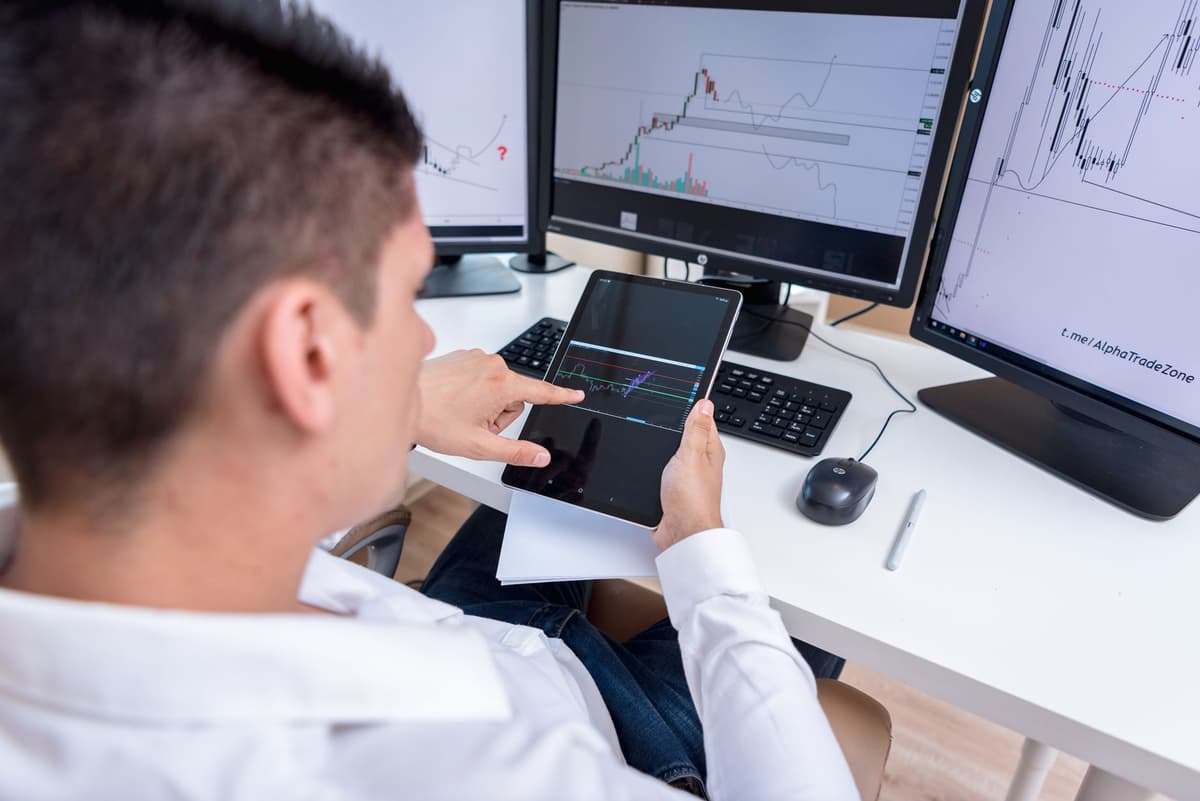
Bonding curve metrics provide a mathematical window into a token's price progression based on supply depletion. By monitoring the graduation progress, liquidity depth, and holder concentration, market participants can identify when a token is gaining genuine traction versus artificial volume.
Understanding the Curve
A bonding curve is a deterministic pricing model. Unlike traditional order books where buyers and sellers match at specific price points, a bonding curve uses a formula that dictates the price based on the total supply purchased. As more tokens are bought from the contract, the price moves up along the curve. When users sell, the price moves down. This mechanism ensures that liquidity is always present at the contract level until the token hits its "graduation" threshold.
Core Metrics for On-Chain Analysis
To analyze a memecoin before it gains significant momentum, you must look beyond the surface-level price. These four pillars provide the clearest view of a token's health:

- Graduation Progress: This is the percentage of the bonding curve filled. A token nearing 100% graduation is often approaching a migration to a decentralized exchange, which typically triggers a shift in volume dynamics.
- Liquidity Quality: Examine the ratio of SOL to token supply within the curve. High liquidity relative to market cap suggests a more stable price floor during the initial discovery phase.
- Holder Distribution: Use an on-chain explorer to view the concentration of tokens. If a handful of wallets hold a significant percentage of the supply, the risk of a sudden price collapse via a "rug" or mass sell-off is elevated.
- Volume Consistency: High volume with minimal price movement indicates accumulation or wash trading, while high volume with upward price movement often signals organic interest.
#### 1. Track the Graduation Percentage
Monitor how quickly the remaining supply is being claimed. Use an on-chain scanner to observe if the buy rate is accelerating or decelerating as the curve nears completion.
2. Audit the Top Holders
Check the top 10 holders using an explorer. Look for a healthy distribution where the top wallets do not collectively own more than 15-20% of the supply.
3. Analyze the Liquidity Migration
When a curve hits its limit, it graduates. Observe the liquidity pool deployment on-chain. If the developer burns the liquidity provider tokens immediately upon migration, it provides a layer of security against liquidity removal.
4. Filter for Real Volume
Compare the number of unique wallets interacting with the contract against the total transaction count. A high transaction count from a very small number of wallets is a red flag for artificial volume generation.
FAQ
What is the most critical bonding curve metric for risk assessment?
The most critical metric is the holder distribution combined with the percentage of liquidity that is locked or burned. If the top wallets hold a massive share of the supply, the bonding curve is highly susceptible to manipulation regardless of volume.
Does a high bonding curve volume guarantee future success?
No. High volume often indicates interest, but it does not differentiate between retail participants and automated wash-trading scripts. Always verify that the volume is coming from a diverse set of unique wallets rather than a few high-frequency addresses.
Summary of Market Reality
The Solana ecosystem in 2026 remains a high-velocity environment for token launches. Because the barrier to entry is low, the noise floor is incredibly high. Using data to filter out low-conviction projects is a standard practice for those navigating the space. Always remember that on-chain data is simply a record of past actions; it does not predict future performance. What this is NOT: This is not financial advice, and these steps do not constitute a buy signal or a promise of profit. Engage with the market with caution, maintain strict risk management, and always verify on-chain data through multiple independent explorers.
Related posts in On-Chain & Whale Tracking
- On-Chain & Whale Tracking
Decoding Bonding Curve Metrics: A 2026 Guide for On-Chain Analysis
Master the art of reading bonding curve metrics to identify momentum in Solana memecoins. Learn to analyze liquidity, holder distribution, and on-chain flow.
Memelogs
- On-Chain & Whale Tracking
Solana On-Chain Red Flags: How to Audit New Token Launches in 2026
Learn to identify high-risk Solana token launches in 2026 by auditing liquidity, wallet clusters, and on-chain transparency. Protect your capital today.
Memelogs
- On-Chain & Whale Tracking
Tracking Whale Wallets in 2026: A Practical Guide to On-Chain Analysis
Learn how to monitor large wallet movements on Solana using on-chain data. Master the art of tracking whale activity without falling for blind copy-trading.
Memelogs