
Tracking Liquidity Migration Patterns on Solana DEXs: A 2026 Analytical Framework
Master the art of on-chain monitoring. Learn how to track liquidity migration and whale movements on Solana DEXs to understand market shifts in 2026.

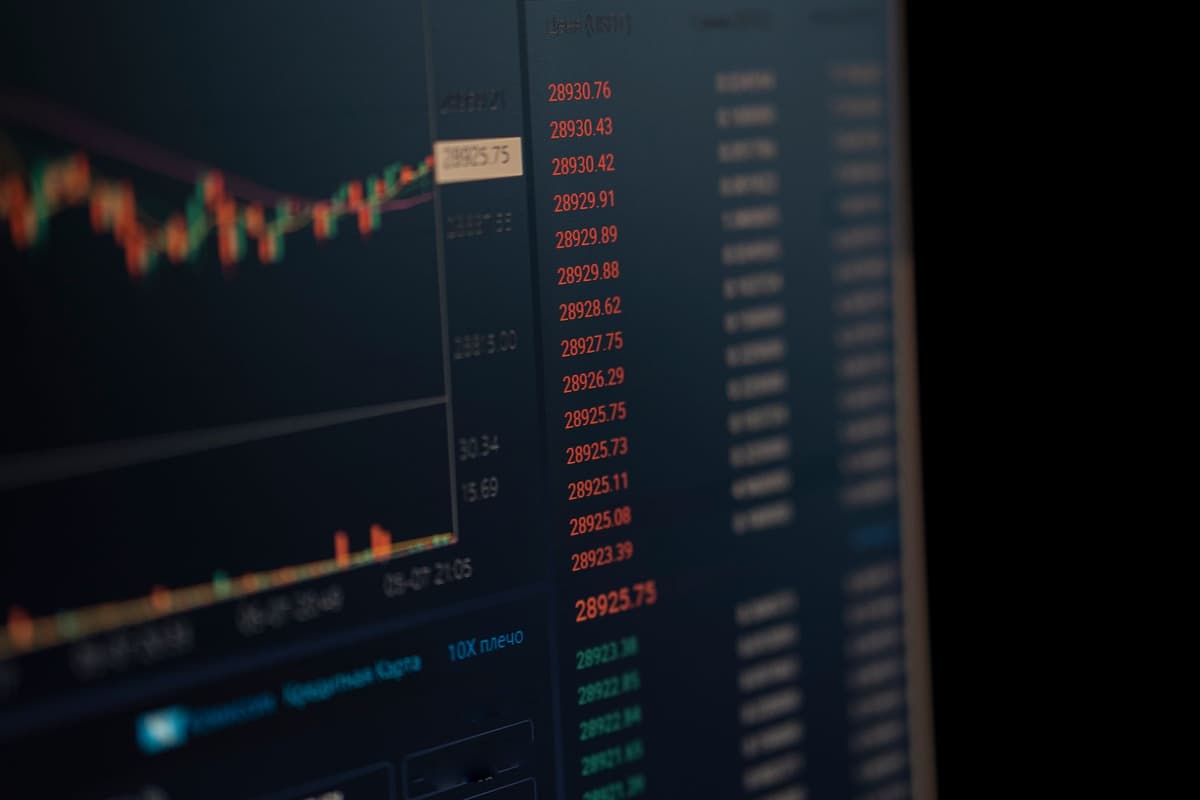
Liquidity migration on Solana is best observed by monitoring the shift of assets between concentrated liquidity pools and decentralized aggregators. By tracking large wallet transfers from centralized exchanges and observing the rebalancing of liquidity in protocols like Kamino and Jupiter, market participants can identify shifts in capital efficiency and potential volatility triggers.
Understanding On-Chain Liquidity Flow
In 2026, the Solana ecosystem has matured into a multi-trillion-dollar volume environment. Liquidity is no longer static; it flows rapidly between automated market makers and aggregation layers. Understanding where this liquidity resides is the difference between identifying a trend and becoming exit liquidity.
Liquidity migration refers to the movement of capital from one pool to another, often triggered by yield incentives or large-scale whale reallocations. When large amounts of SOL move from centralized venues to unknown on-chain wallets, it often precedes a shift in liquidity across decentralized finance protocols.
How to Track Liquidity Migration
1. Identify Whale Accumulation Patterns
Monitor large inflows from centralized exchanges using block explorers. When massive amounts of SOL move from exchange addresses to private wallets, this often indicates a transition toward on-chain deployment. Check the transaction history of the receiving address to see if it interacts with known liquidity provision protocols.
2. Monitor Aggregator Routing
Use the routing data provided by platforms like Jupiter. Aggregators pull liquidity from various sources. If an aggregator consistently shifts its pathing away from specific pools, it indicates that those pools are losing their depth or have become inefficient. Watch for slippage increases on specific pairs as a sign of thinning liquidity.
3. Analyze CLMM Rebalancing
Concentrated Liquidity Market Makers (CLMMs) require active management. Check the vaults on protocols like Kamino. When significant TVL moves out of a specific strategy, it suggests that the yield or the price range of that liquidity is no longer optimized for the current market state.
4. Audit Holder Concentration
Before interacting with any pool, check the token holder distribution. High concentration in a few wallets often leads to sudden liquidity migration if those whales decide to reallocate. Use an explorer to view the top 20 holders and ensure that LP tokens are not held by a single entity that could drain the pool.
Key Metrics for Market Participants
| Metric | Purpose | Observation Frequency |
| - | - | - |
| DEX Volume | Measure overall activity levels | Daily |
| Pool TVL | Gauge liquidity depth and stability | Hourly |
| Whale Inflows | Track potential capital deployment | Real-time |
| Slippage Rate | Monitor pool efficiency | Per-trade |
The Role of Infrastructure
Platforms like Jupiter act as the central nervous system for Solana trading. By aggregating across multiple DEXs, they provide a clearer picture of where the actual market depth sits. When trading activity spikes, look at the underlying protocol revenue. High trading volume usually correlates with increased fees, which attracts more liquidity providers, creating a flywheel effect that stabilizes specific assets.
However, be wary of low-float, high-fully-diluted-valuation assets. In these cases, liquidity can migrate out as quickly as it arrived, especially if early participants reach their target exits. Always check the total circulating supply against the liquidity locked in the pool.
FAQ
How can I tell if liquidity is migrating out of a pool?
You should monitor the Pool TVL and the slippage for standard trade sizes. If the TVL is consistently dropping while slippage for a small trade increases, it is a clear signal that the liquidity is being withdrawn or moved elsewhere.
Do whale movements from centralized exchanges always impact DEX liquidity?
Not always, but they often signal intent. When a significant volume of SOL moves from a centralized exchange to an unknown wallet, it suggests that the entity may be preparing to provide liquidity or trade on-chain. Tracking these movements through block explorers allows you to see if that capital eventually enters a decentralized pool.
What this is NOT: This content is not financial advice, nor is it a buy signal for any specific asset or protocol. All on-chain activity carries inherent risks, including smart contract failure and market volatility.
Related posts in On-Chain & Whale Tracking
- On-Chain & Whale Tracking
Solana Rug Pulls 2026: Detecting On-Chain Red Flags Before You Trade
Learn to identify Solana rug pulls with our 2026 on-chain checklist. Discover how to verify liquidity, track wallet clusters, and spot malicious token patterns.
Memelogs
- On-Chain & Whale Tracking
Tracking Smart Money Wallets on Solana: A Technical Workflow for 2026
Learn how to monitor Solana on-chain data to identify whale activity and institutional flow. A technical guide for tracking smart money movements in 2026.
Memelogs
- On-Chain & Whale Tracking
Tracking Smart Money Wallets on Solana for 2026: An On-Chain Methodology
Learn the technical process of identifying and monitoring high-signal wallets on the Solana network to improve your on-chain research and market data analysis.
Memelogs