
Tracking Whale Wallets in 2026: A Practical Guide to On-Chain Analysis
Learn how to monitor large wallet movements on Solana using on-chain data. Master the art of tracking whale activity without falling for blind copy-trading.

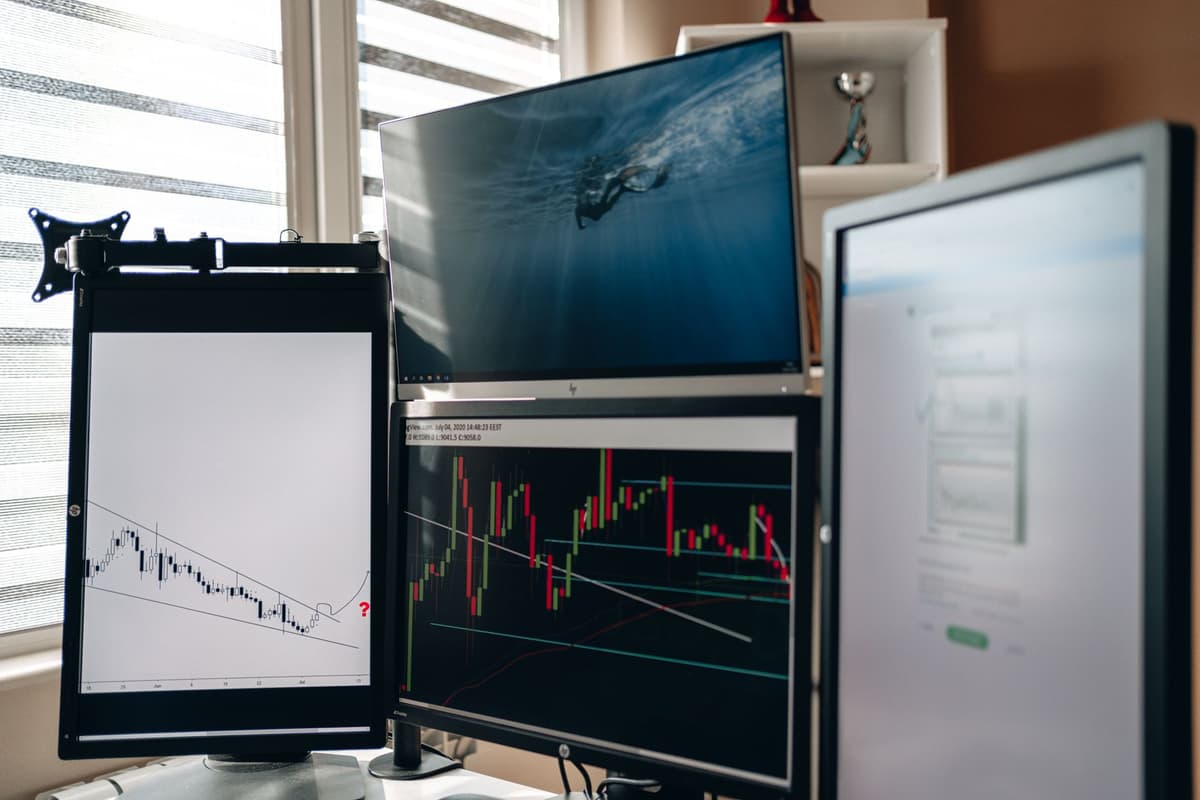
Tracking whale wallets involves identifying consistent, high-volume participants through block explorers and analytical terminals rather than relying on social media alerts. By monitoring on-chain behavior such as liquidity provision, token accumulation patterns, and exit strategies, you can observe market shifts in real-time. This approach prioritizes data-driven observation over reactive copy-trading, allowing for independent market analysis.
What this is NOT
This guide is not financial advice, does not provide specific buy signals, and does not guarantee market performance. On-chain tracking is a tool for data analysis, not a path to guaranteed profit.
The Philosophy of On-Chain Observation
Whales, defined as entities or individuals holding a significant portion of a token's circulating supply, exert immense pressure on market liquidity. In the 2026 landscape, retail participants often rely on lagging indicators or social hype, which typically results in entering positions after price impact has already occurred. True architectural insight requires looking at the raw transaction history.
Why Blind Copy-Trading Fails
- Copy-trading services often execute with a latency that puts the follower at a disadvantage.
- Whales frequently split their positions across multiple wallets to mask their true accumulation or distribution activity.
- Large transfers to centralized exchanges often signal impending liquidity events that retail participants are the last to see.
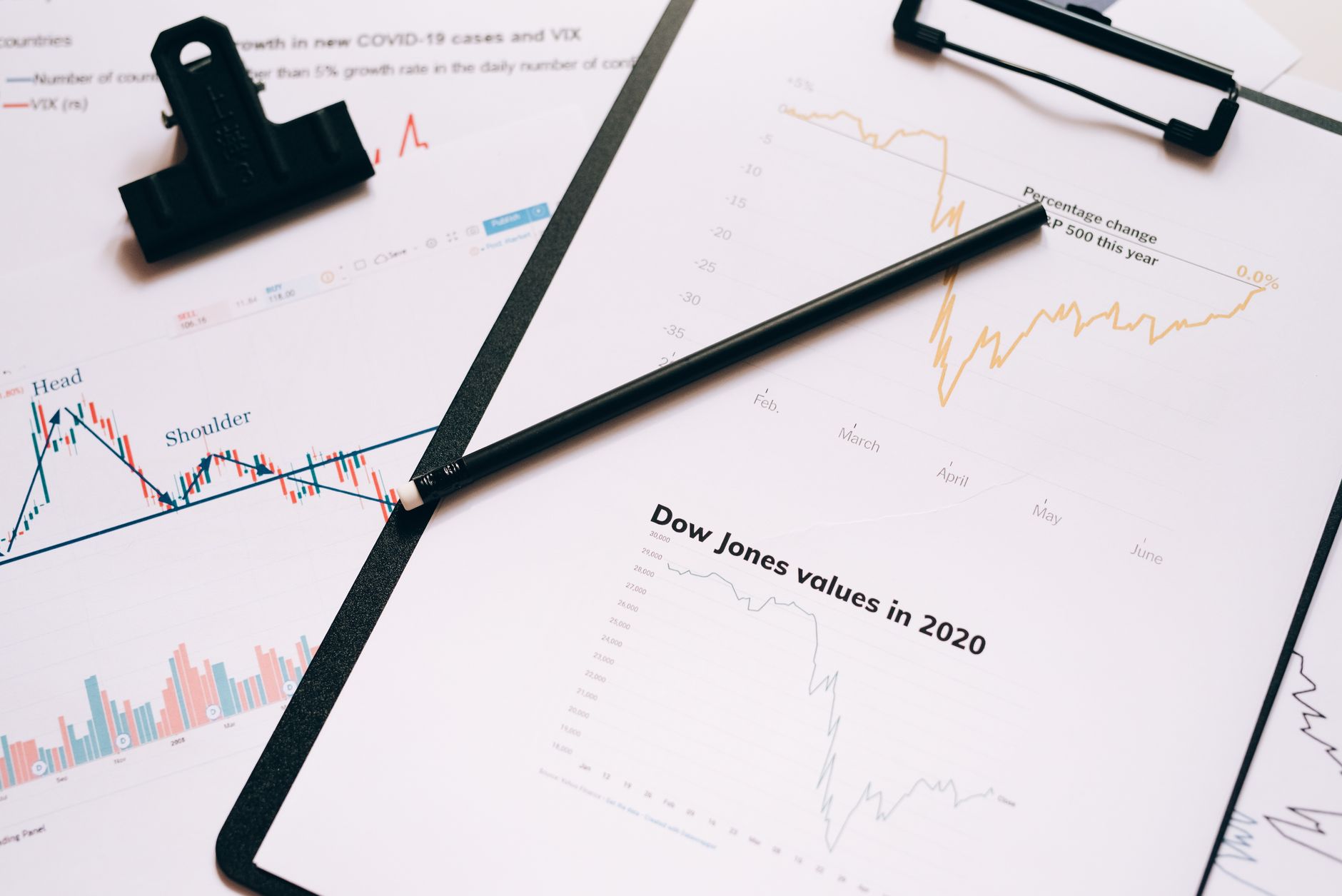
Step-by-Step: Analyzing Whale Activity
1. Identification of Smart Money
Begin by utilizing on-chain explorers to filter for wallets that consistently interact with early-stage liquidity pools or show high-volume movement during price discovery phases. Look for wallets that held tokens before significant price appreciation rather than those buying into high-volume spikes.
2. Pattern Recognition
Monitor how these wallets manage their holdings. A whale that consistently sells into strength while retaining a "moonbag" (a small remaining portion of the initial holding) displays a different strategy than one that dumps entire positions at once. Observe if they provide liquidity to decentralized exchanges, as this can indicate a more sophisticated, multi-layered approach to market participation.
3. Liquidity and Holder Distribution
Examine the token distribution metrics. If a small group of wallets controls more than 60% of the circulating supply, the token is highly susceptible to price manipulation. Check the liquidity pool depth to ensure that a single whale exit does not result in total slippage for other participants.
4. Monitoring Exchange Flows
Track transfers to known exchange deposit addresses. While not every transfer to an exchange is a precursor to a sale, large, systematic transfers of tokens from a wallet to an exchange wallet are historically correlated with increased sell pressure.
| Metric | Significance |
|---|---|
| Wallet Age | Older wallets often indicate long-term conviction or institutional actors. |
| Transaction Frequency | High frequency may suggest automated bots; low frequency often suggests manual whale strategy. |
| Token Diversity | Concentrated holdings in one asset suggest a high-conviction or insider position. |
| LP Provision | Wallets providing liquidity are often market makers rather than simple speculators. |
FAQ
How do I differentiate between a whale and a bot?
Bots typically execute transactions with extreme regularity, often at specific time intervals or in response to micro-price changes. Whales, by contrast, exhibit more irregular, manual-style behavior, such as scaling into positions over several hours or days and participating in governance or liquidity provision.
Does moving tokens to an exchange always mean a dump is coming?
Not necessarily. While it is a common indicator of intent to sell, it can also represent a wallet moving assets to a different custody solution, rebalancing a portfolio, or preparing for a collateralized loan. Always cross-reference exchange inflows with the overall market sentiment and the specific token's current liquidity state.
Related posts in On-Chain & Whale Tracking
- On-Chain & Whale Tracking
Decoding Bonding Curve Metrics for Solana Memecoin Momentum in 2026
Master the art of reading on-chain bonding curve metrics. Learn to analyze liquidity, holder distribution, and volume to spot early-stage memecoin activity.
Memelogs
- On-Chain & Whale Tracking
Solana On-Chain Red Flags: How to Audit New Token Launches in 2026
Learn to identify high-risk Solana token launches in 2026 by auditing liquidity, wallet clusters, and on-chain transparency. Protect your capital today.
Memelogs
- On-Chain & Whale Tracking
Decoding Solana Bonding Curve Metrics: A 2026 Guide to On-Chain Analysis
Master the art of reading bonding curve metrics on Solana. Learn how to analyze liquidity, holder distribution, and volume to navigate the memecoin market.
Memelogs