
On-Chain Intelligence: How to Analyze Whale Wallets on Solana in 2026
Master the art of whale tracking on Solana without blind copy-trading. Learn to analyze wallet behavior, liquidity, and on-chain trends for better insights.

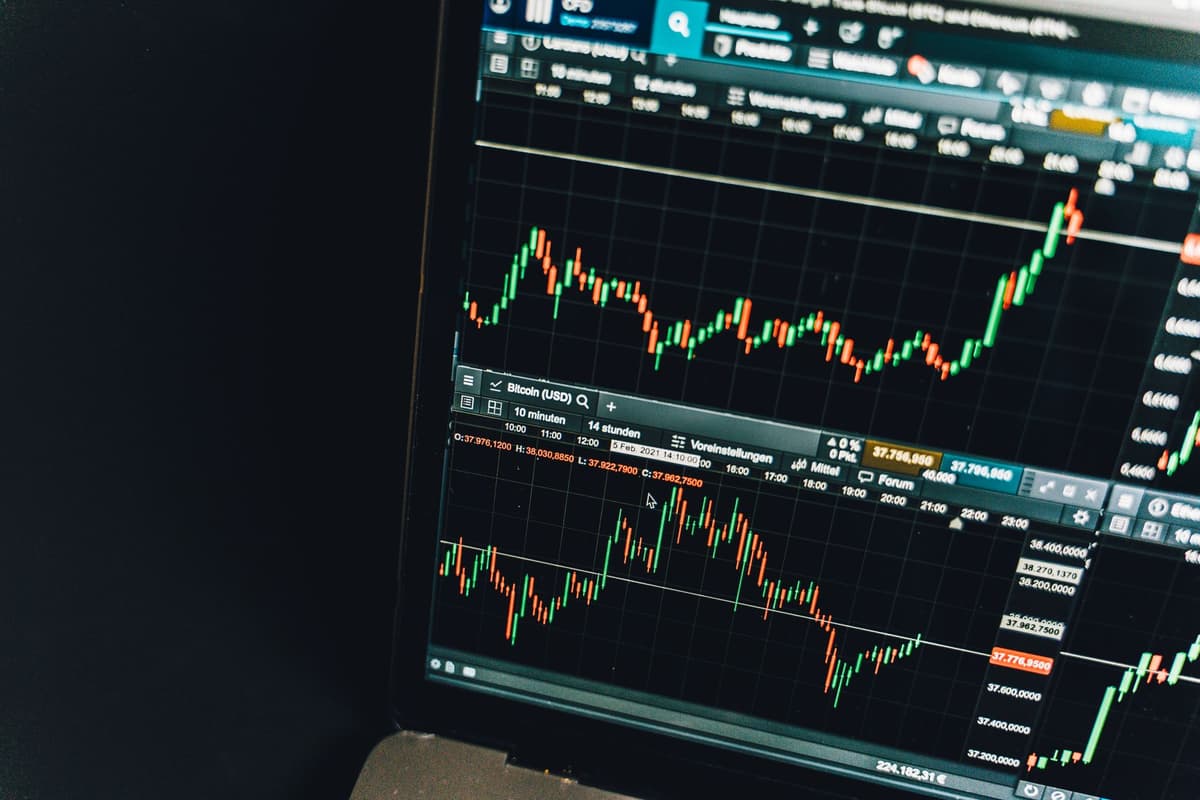
Tracking whale wallets on Solana involves monitoring on-chain movements to identify patterns in capital allocation rather than blindly mimicking transactions. By using blockchain explorers and behavioral analysis tools, you can filter for addresses with a history of successful execution and observe their interaction with liquidity pools and token distributions.
The Philosophy of On-Chain Observation
The goal of whale tracking is not to find a "secret signal" to buy into an asset. Instead, it is about understanding how large participants—those who control significant portions of a token's circulating supply—interact with the market. When you observe a whale, you are looking for evidence of strategy, such as early accumulation, systematic profit-taking, or liquidity provision.
Most retail participants fail because they act on alerts that are already priced in. By the time a transaction notification hits a social media feed, the whale has already finalized their move. To gain an edge, you must learn to read the raw data on the ledger.
How to Assess a Wallet’s Credibility
Not all large wallets are created equal. Some are exchange-linked addresses, others are bridge contracts, and some belong to developers or early liquidity providers. You need to distinguish between these entities to avoid noise.
1. Identifying the Whale
Look for wallets that show consistent, long-term profitable behavior across multiple tokens. A wallet that consistently buys low and sells into strength before a dump is more useful to observe than one that simply holds a single asset.
1. Filter by transaction history
2. Check for token variety and diversification
3. Analyze the timing of entries relative to price action
2. Monitoring Liquidity and Bonding Curves
On Solana, many new tokens launch through bonding curves or direct liquidity pool creation. Whales often participate in these early stages. When tracking a whale, observe how they interact with these pools.
- Do they provide liquidity to earn fees, or are they purely speculative?
- Are they removing liquidity before significant price drops?
- How do their transaction sizes compare to the total pool volume?
Step-by-Step: Analyzing Wallet Behavior
Follow these steps to conduct a manual review of any wallet address without relying on automated copy-trading bots.
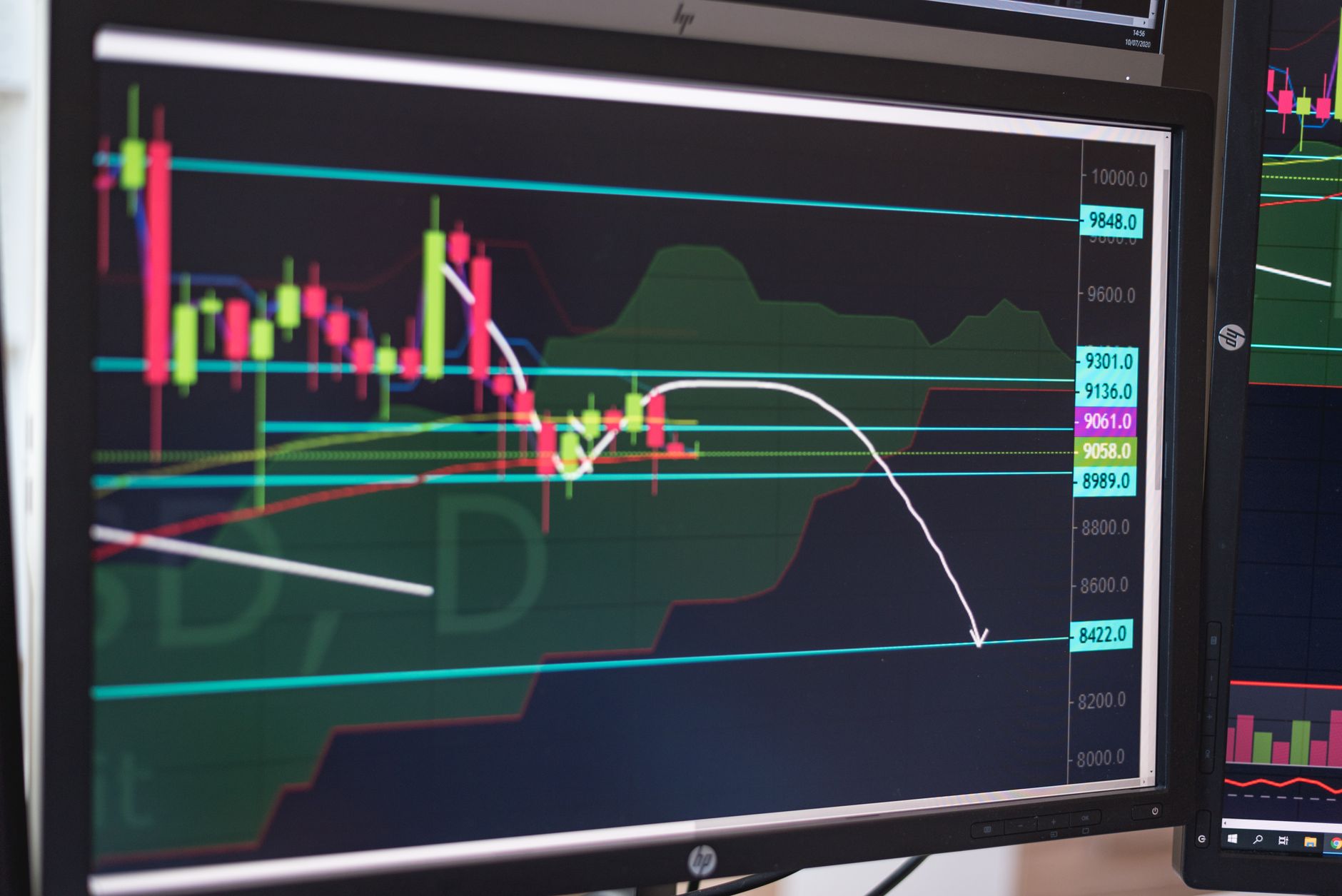
- Copy the wallet address from a block explorer.
- Review the token holdings tab to see if the wallet is concentrated in one asset or diversified.
- Check the transaction log for "transfer" events that might indicate a wallet is part of a larger cluster or a "wash trading" pattern.
- Look at the "Liquidity Provider" history to see if they are earning yield or just dumping into the pool.
- Observe the frequency of their activity; high-frequency "sniping" is vastly different from long-term accumulation.
FAQ
Is tracking whale wallets a reliable way to predict price movements?
No. Tracking whale wallets provides data on what sophisticated participants are doing, but it does not account for market sentiment, broader macroeconomic conditions, or the possibility that the whale is hedging their position elsewhere.
How can I tell if a whale is dumping their position?
Look for a sequence of sell transactions that significantly reduce their percentage of the total circulating supply. If you see them moving assets to a centralized exchange address, it is often a strong indicator that they are preparing to exit or offload their holdings.
What this is NOT
This content is not financial advice, nor is it a buy signal for any specific token. On-chain analysis is an educational tool meant for understanding market mechanics and should not be used as a substitute for your own rigorous research.
The Reality of Solana Data
Solana’s high throughput means that millions of transactions occur daily. Trying to track every move is impossible. Focus on "behavioral clustering," where you group addresses that interact with the same contracts or pools. This helps you identify institutional-grade moves that actually impact market structure, rather than getting distracted by retail-level "dust" transactions.
Related posts in On-Chain & Whale Tracking
- On-Chain & Whale Tracking
Tracking Whale Accumulation: Identifying Solana Wallet Shifts in 2026
Learn how to monitor on-chain whale accumulation on Solana to identify shifting market narratives before they gain mainstream traction in 2026.
Memelogs
- On-Chain & Whale Tracking
How to Track Whale Wallets in 2026: A Non-Blind Strategy for On-Chain Analysis
Learn how to track whale wallets without blind copy-trading. Master on-chain metrics, behavioral clustering, and liquidity analysis to spot market trends.
Memelogs
- On-Chain & Whale Tracking
Tracking Smart Money Wallets on Solana: A 2026 Architectural Guide
Learn how to monitor Solana smart money wallets by analyzing on-chain data, liquidity flows, and transaction patterns to sharpen your market insight.
Memelogs