
Memecoin Playbook 2026: Analyzing Wallets, LP, and Holder Concentration
Master the fundamentals of Solana memecoin analysis in 2026. Learn to track smart money, verify liquidity, and assess holder concentration for better insights.

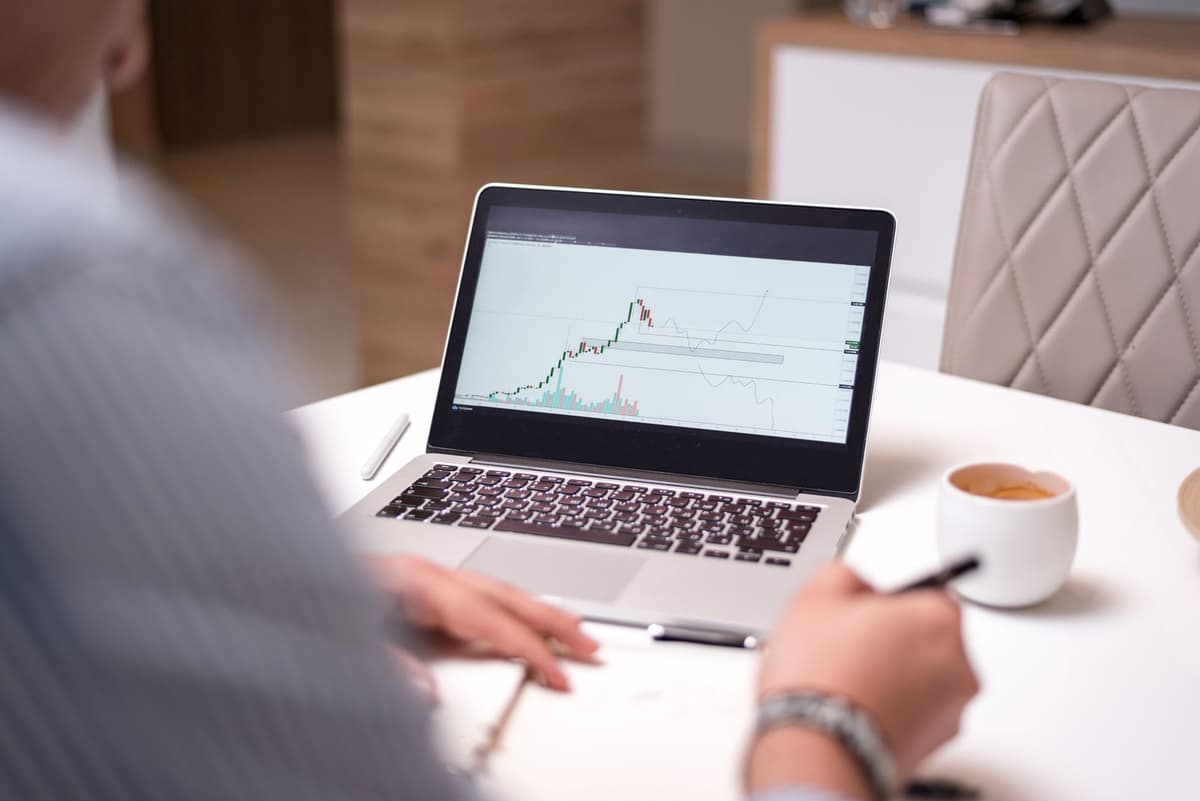
Analyzing memecoins in 2026 requires a rigorous look at on-chain fundamentals, specifically checking for locked or burned liquidity, identifying whale accumulation patterns, and filtering out high holder concentration. By using blockchain explorers and data aggregators, market participants can verify the health of a token’s distribution before considering exposure.
The Fundamentals of On-Chain Due Diligence
Memecoin markets on Solana remain high-velocity environments. To navigate these cycles effectively, you must move beyond price charts and look at the underlying ledger data. This is not financial advice, and this is not a buy signal. Success in this space is defined by risk mitigation and the ability to read the technical state of a contract.
1. Liquidity Pool (LP) Integrity
The most critical check for any new asset is the state of the liquidity pool. If the LP is not locked or burned, the risk of a sudden liquidity withdrawal is extreme.
1. Verify the LP Address
Check if the liquidity tokens are held in a null address or a recognized time-locked smart contract.
2. Assess Liquidity-to-Market Cap Ratio
A healthy ratio ensures that smaller buy or sell orders do not cause massive slippage.
3. Monitor for LP Migration
Watch for tokens that migrate from launchpads to decentralized exchanges, as this transition often exposes new vulnerabilities.
2. Whale Tracking and Wallet Clustering
Smart money often leaves a trail. In 2026, whale tracking is less about copying trades and more about understanding sentiment and conviction. If major wallets are accumulating during periods of volatility, it may signal long-term confidence in the ecosystem.
- Identify clusters: Look for groups of wallets that move funds simultaneously, as these often belong to a single entity.
- Rotation patterns: Monitor whether whales are rotating capital from established assets into newer, high-risk launches.
- Exchange inflows: Track if whale wallets are moving tokens to centralized exchanges, which often precedes selling pressure.
3. Holder Concentration Analysis
High concentration is a red flag. When a few wallets hold a significant percentage of the total supply, the asset is susceptible to manipulation. Use block explorers to view the top 10 or 20 holders.
| Indicator | Status | Action |
|---|---|---|
| Top 10 hold > 50% | High Risk | Proceed with extreme caution |
| Top 10 hold < 20% | Moderate | Monitor for distribution |
| Deployer wallet holds < 5% | Healthy | Check for transparency |
Execution Steps for On-Chain Checks
- Search for the token contract address on a reputable Solana blockchain explorer.
- Open the 'Holders' tab to visualize the distribution of tokens across the network.
- Filter out the contract address and known exchange hot wallets to see the true distribution among retail and whale participants.
- Utilize an on-chain scanner to verify if the contract has a 'mint' authority that remains active, which could allow for infinite token supply inflation.
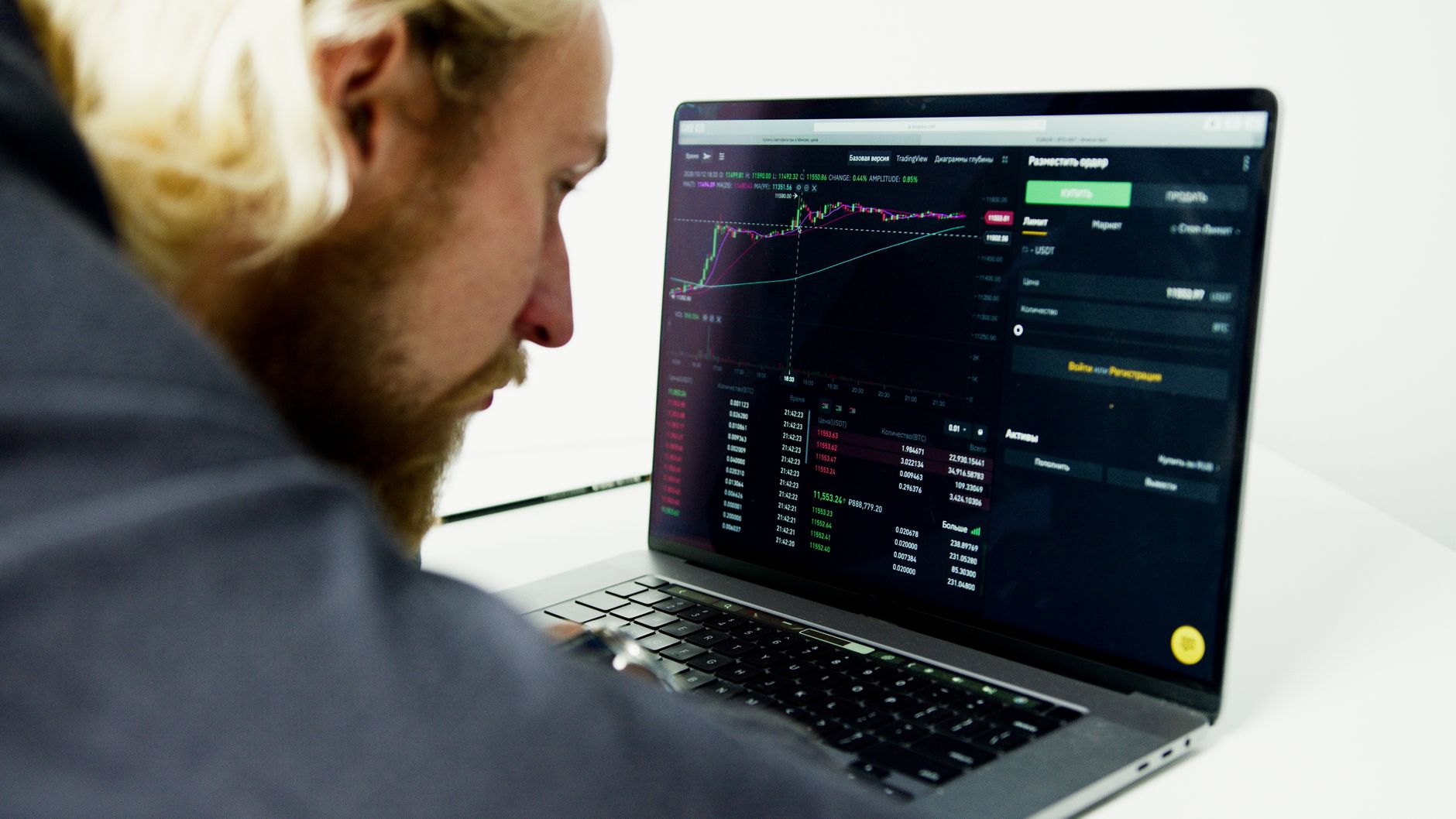
- Observe the volume-to-market cap ratio over a 24-hour period to determine if the interest is genuine or manufactured through wash-trading.
FAQ
What is the most important metric when evaluating a new Solana memecoin?
Liquidity structure is paramount. You must verify that the liquidity is permanently locked or burned. Without this, the asset lacks a stable foundation, and the risk of a total loss of value via liquidity removal remains the primary threat to participants.
How can I tell if a whale is dumping their position?
Monitor the top holder wallets for consistent outflows to decentralized exchange routers or centralized exchange deposit addresses. If multiple top holders begin reducing their positions simultaneously, it typically indicates a loss of conviction or a coordinated exit strategy. Always cross-reference these movements with the token's volume metrics to see if the market is absorbing the sell pressure.
Related posts in On-Chain & Whale Tracking
- On-Chain & Whale Tracking
Tracking Whale Wallets in 2026: A Blueprint for On-Chain Intelligence
Learn how to monitor large wallet movements and identify smart money patterns without relying on blind copy-trading strategies in the evolving crypto market.
Memelogs
- On-Chain & Whale Tracking
Solana Liquidity Migration: Tracking Capital Shifts in 2026
Master the art of tracking on-chain liquidity shifts on Solana. Learn how to monitor whale movements and protocol migrations to stay ahead in 2026.
Memelogs
- On-Chain & Whale Tracking
Reading Bonding Curve Metrics: Analyzing Memecoin On-Chain Activity in 2026
Master the art of reading bonding curve metrics on Solana. Learn to analyze wallet clusters, liquidity, and volume to make informed on-chain decisions.
Memelogs