
On-Chain Whale Tracking: A Step-by-Step Guide for Solana 2026
Learn how to track whale wallets on Solana without blindly copying trades. Master on-chain analysis to identify market trends and smart money movements.

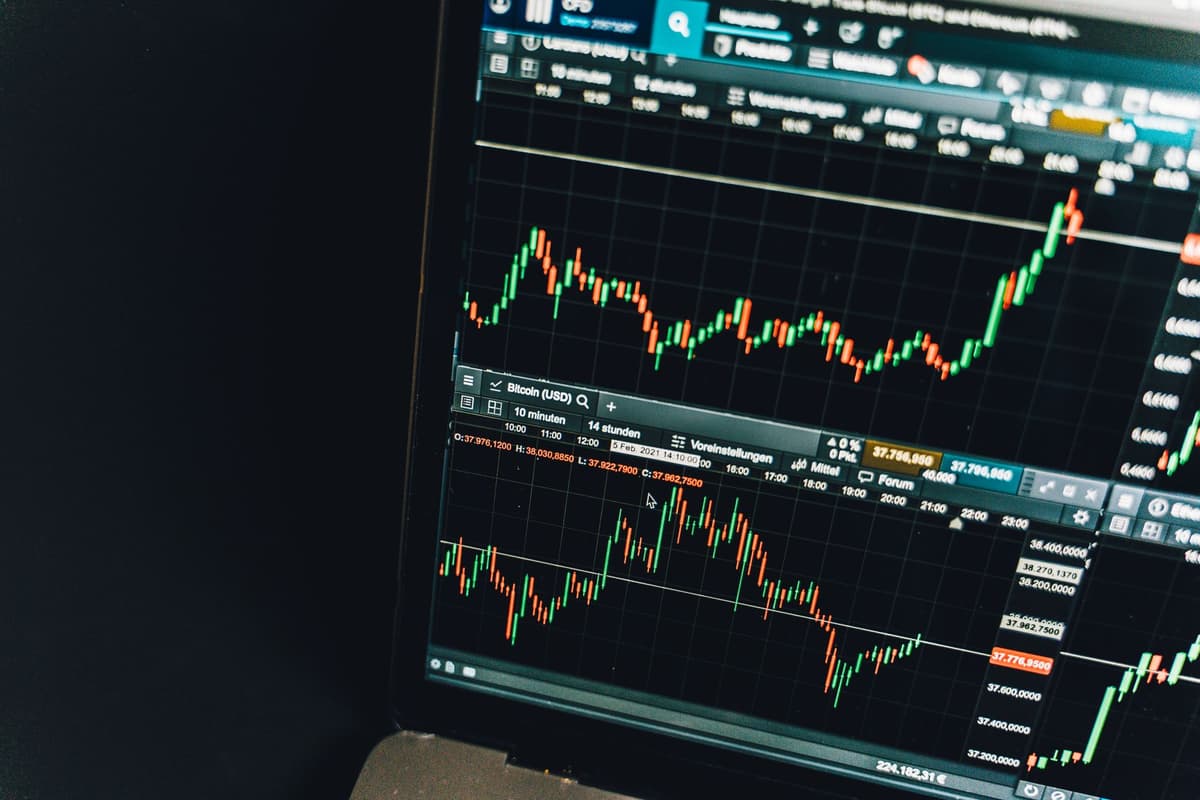
Tracking whale wallets involves identifying consistent, profitable addresses on-chain and monitoring their liquidity movements and accumulation patterns. Instead of blindly following signals, successful market participants focus on distinguishing between retail-driven volume and strategic whale positioning to gauge long-term market sentiment.
The Philosophy of Whale Tracking
Many market participants make the mistake of treating whale alerts like a treasure map. In reality, by the time a large transaction hits a social media feed, the price impact has already occurred. Effective on-chain analysis in 2026 requires moving away from reactive signals toward proactive pattern recognition.
Whales are not a monolith. Some are liquidity providers, some are market makers, and others are long-term holders. Understanding the behavior of an address is more important than knowing its balance. This is not financial advice, and this is not a buy signal.
Step-by-Step: Analyzing Whale Activity
1. Filter for Smart Money
Use block explorers or on-chain analytics platforms to find wallets that consistently profit from early entry points. Look for addresses that hold tokens through volatility rather than those that panic sell at the first dip.
2. Verify Liquidity and LP Positions
Check if the whale is providing liquidity to decentralized exchanges. If a large holder is also a liquidity provider, they have a vested interest in the long-term stability of the token pool. Look for locked liquidity to ensure the project is not a rug pull.
3. Monitor Accumulation Trends
Observe if the wallet is slowly accumulating over time during price drops, or if they are dumping into strength. Consistent accumulation often signals long-term conviction in a specific asset, whereas sudden spikes in volume from a single wallet can indicate manipulation or distribution.
4. Cross-Reference Holder Distribution
Analyze the token distribution. If a single wallet or a small cluster of linked wallets holds a significant percentage of the total supply, the asset is susceptible to extreme volatility. A healthy distribution typically features a larger number of unique holders.
Key Metrics to Watch
| Metric | Significance |
|---|---|
| Net Flow | Whether the whale is buying or selling significantly |
| Holding Duration | How long the wallet keeps tokens before exiting |
| LP Share | Percentage of pool liquidity provided by the whale |
| Transaction Frequency | High frequency suggests botting; low suggests manual strategy |
Avoiding the Copy-Trading Trap
Copy-trading is inherently flawed because you lack the context of the whale's entire portfolio. A whale might buy a high-risk asset as a hedge or a small gamble, which could represent a negligible portion of their total capital. If you mirror that trade with a large percentage of your own capital, your risk profile is fundamentally different.
Always examine the wallet's history. Has this address lost money in the past? Are they trading meme coins exclusively, or do they hold blue-chip assets? Contextualizing the wallet's history prevents you from following a 'lucky' gambler who is eventually bound to lose their position.
FAQ
How can I tell if a whale is dumping their position?
Look for a series of sell transactions that exhaust the liquidity pool's depth. If a wallet moves tokens from a cold storage address to a decentralized exchange, it is often a precursor to a sell order.
What defines a 'whale' in the Solana ecosystem today?
While definitions vary, a whale is generally defined as an address holding enough of a specific token supply to influence the price of a liquidity pool significantly. In 2026, this is often identified by analyzing the top 10–20 holders of a token's total supply.
Conclusion
Tracking whales on Solana is an exercise in data hygiene. By focusing on volume, holder distribution, and liquidity health, you can filter out the noise. Treat these tools as a way to understand market structure rather than a shortcut to profit. Always conduct your own due diligence before interacting with any smart contract.
Related posts in On-Chain & Whale Tracking
- On-Chain & Whale Tracking
Solana Liquidity Migration: Tracking Whale Patterns on DEXs in 2026
Learn how to track liquidity migration on Solana DEXs. Monitor whale activity, LP shifts, and aggregator flows to understand on-chain market movements in 2026.
Memelogs
- On-Chain & Whale Tracking
Solana Rug Pulls 2026: Detecting On-Chain Red Flags Before You Trade
Learn to identify Solana rug pulls with our 2026 on-chain checklist. Discover how to verify liquidity, track wallet clusters, and spot malicious token patterns.
Memelogs
- On-Chain & Whale Tracking
Tracking Liquidity Migration Patterns on Solana DEXs: A 2026 Analytical Framework
Master the art of on-chain monitoring. Learn how to track liquidity migration and whale movements on Solana DEXs to understand market shifts in 2026.