
Liquidity Migration Patterns on Solana DEXs: A 2026 Tracking Framework
Master the art of tracking liquidity shifts on Solana DEXs in 2026. Learn how to verify whale movements, LP depth, and on-chain flow to sharpen your analysis.

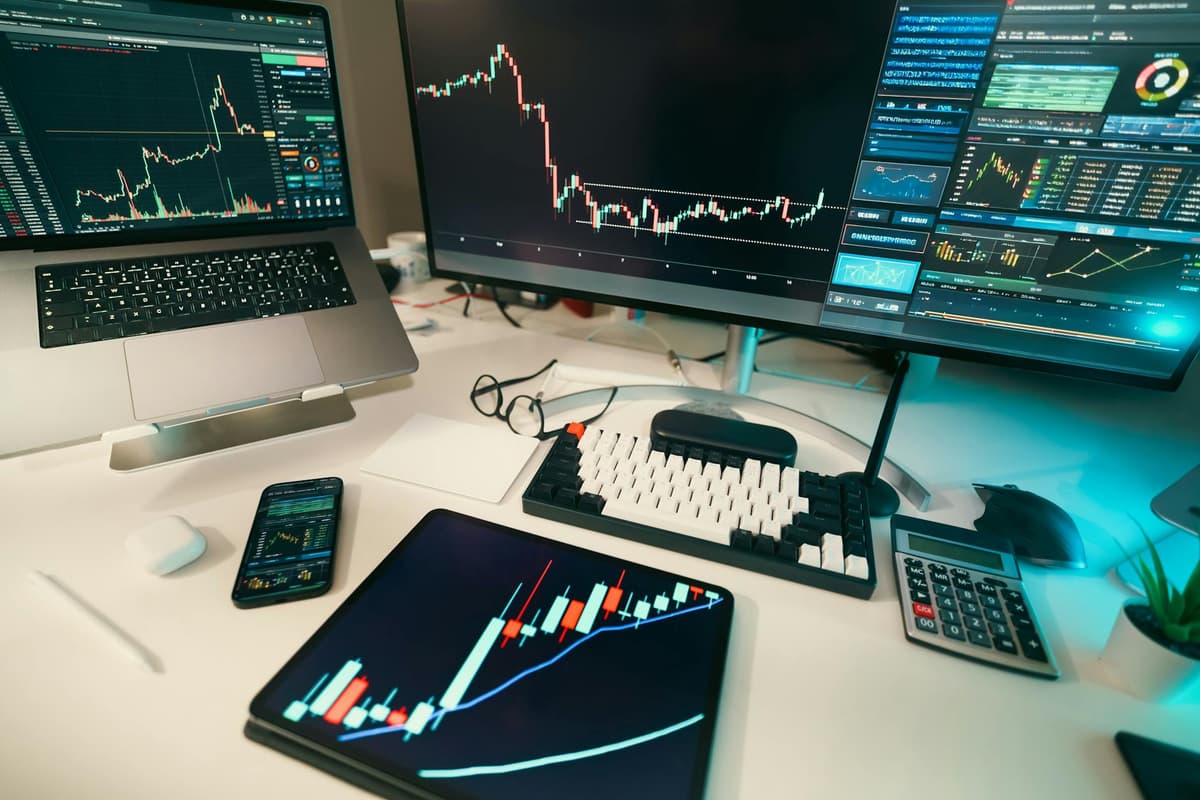
Liquidity migration on Solana involves observing how capital shifts between decentralized exchanges like Jupiter, Raydium, and Orca based on volume density and whale wallet activity. By monitoring holder distribution and liquidity depth, market participants can identify when institutional or smart money flows are actively reallocating within the ecosystem.
Understanding Liquidity Migration
In the Solana ecosystem, liquidity migration refers to the movement of capital from one pool or protocol to another. As trading volume fluctuates, liquidity providers (LPs) often follow the highest yield or the most active exchange interfaces. For the observant participant, these shifts act as a signal of where the primary market activity is concentrating.
Unlike traditional markets, Solana's high-speed architecture allows for rapid rebalancing. Tracking these movements requires a disciplined approach to reading on-chain data rather than relying on social sentiment.
How to Track Liquidity Movements
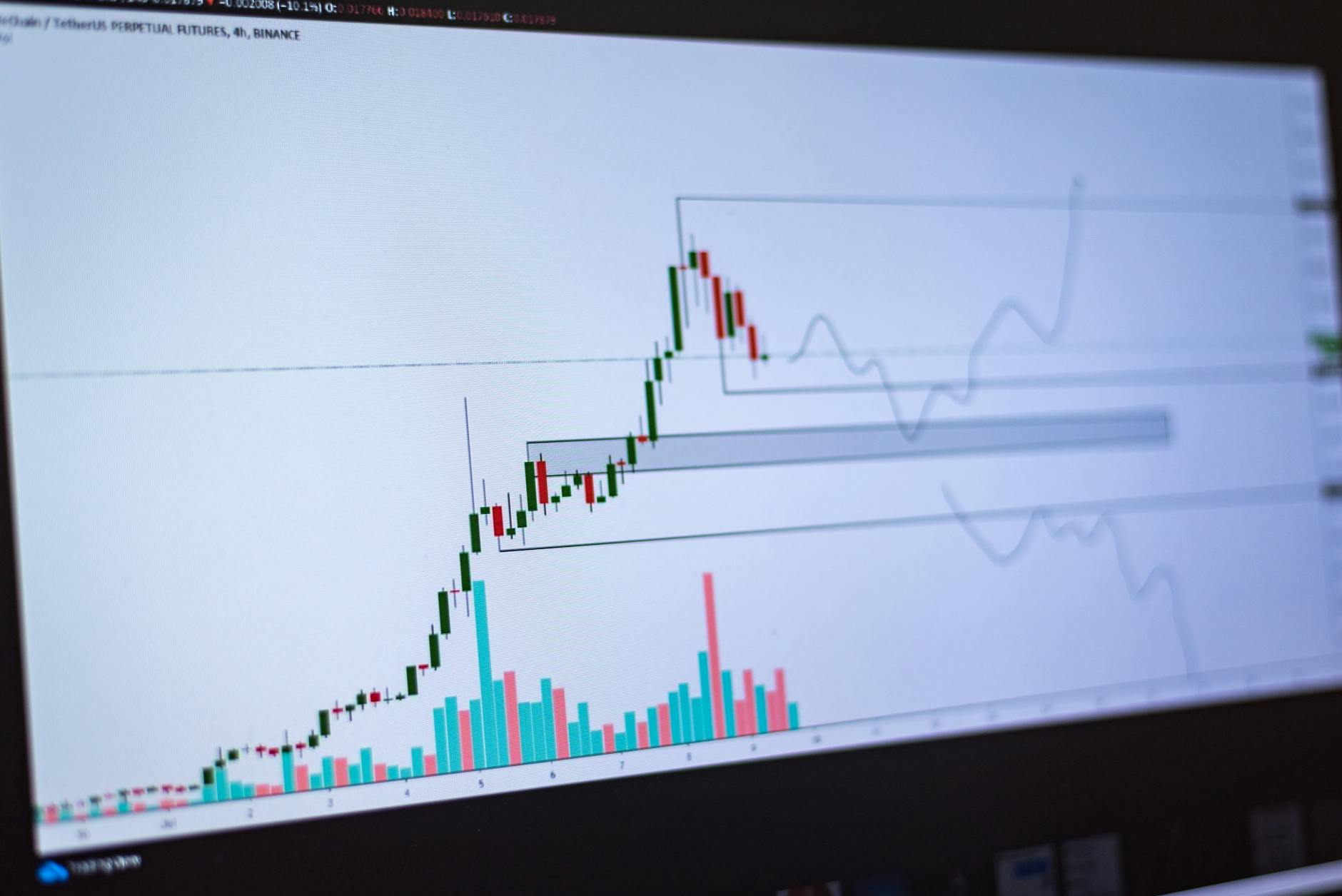
1. Analyze Pool Depth via Explorers
Access a block explorer to examine the specific liquidity pool addresses for your target token. Look for the total value locked (TVL) and verify if the liquidity is concentrated in a single exchange or fragmented across multiple platforms. A sudden drop in TVL on one exchange accompanied by a corresponding spike on another indicates a migration event.
2. Monitor Whale Wallet Clusters
Identify large holder clusters using on-chain scanners. When multiple high-balance wallets move their positions simultaneously, it often precedes a shift in liquidity. Look for patterns where these wallets withdraw from one DEX and deposit into the liquidity pools of another, signaling a potential change in the preferred venue for institutional or high-net-worth activity.
3. Evaluate Holder Distribution
Use analytical tools to check the concentration of tokens among top holders. If a large percentage of the supply is held by a few addresses that are actively providing liquidity, the migration of those positions will have a disproportionate impact on the token's price stability and available depth.
4. Observe Volume-to-Liquidity Ratios
Compare the daily trading volume against the total liquidity available. A high volume-to-liquidity ratio often suggests that the liquidity is being depleted or is insufficient for high-frequency trading. If this ratio shifts significantly, it may indicate that liquidity providers are migrating to platforms with better capital efficiency or lower slippage.
FAQ
How can I determine if a liquidity shift is driven by whales or retail participants?
By inspecting the transaction history of the pool, you can filter for large-scale transfers. Whale movements are characterized by high-value, singular transactions compared to the smaller, higher-frequency trades typical of retail participants. Using an explorer to tag these large addresses allows you to track their movement patterns over time.
Does high trading volume always imply healthy liquidity?
Not necessarily. High volume can sometimes occur in shallow pools, leading to significant slippage for traders. Always cross-reference volume with the depth of the order book or the total liquidity pool size to ensure that the market activity is supported by genuine capital depth.
Analyzing On-Chain Data Responsibly
- Never assume that a whale's move is a guaranteed indicator of future price action.
- Liquidity migration can be caused by yield farming incentives rather than long-term project confidence.
- Always verify the contract status to ensure the liquidity is not being withdrawn due to security concerns.
- Keep an eye on stablecoin flows, as these often serve as the bridge for liquidity moving between protocols.
What this is NOT: This content is not financial advice, not a buy signal, and not a recommendation to participate in any specific market activity. Always conduct your own research on-chain.
Related posts in On-Chain & Whale Tracking
- On-Chain & Whale Tracking
Solana Liquidity Migration: Tracking On-Chain Shifts in 2026
Master the art of tracking Solana liquidity migration. Learn to identify whale patterns and DEX shifts to navigate the 2026 on-chain landscape effectively.
Memelogs
- On-Chain & Whale Tracking
Decoding Bonding Curve Metrics: Analyzing Solana Memecoin Launches in 2026
Master the art of reading on-chain bonding curve metrics. Learn how to verify liquidity, track whale distribution, and identify token health before you trade.
Memelogs
- On-Chain & Whale Tracking
How to Track Smart Money Wallets on Solana for 2026 Market Analysis
Master on-chain analysis to identify professional wallet activity on Solana. Learn how to track liquidity, whale movements, and smart money patterns.
Memelogs