
Decoding Bonding Curve Metrics: A 2026 Guide to Solana Memecoin Dynamics
Master the art of reading bonding curve metrics on Solana. Learn how to track whale accumulation and liquidity shifts to make better-informed on-chain…

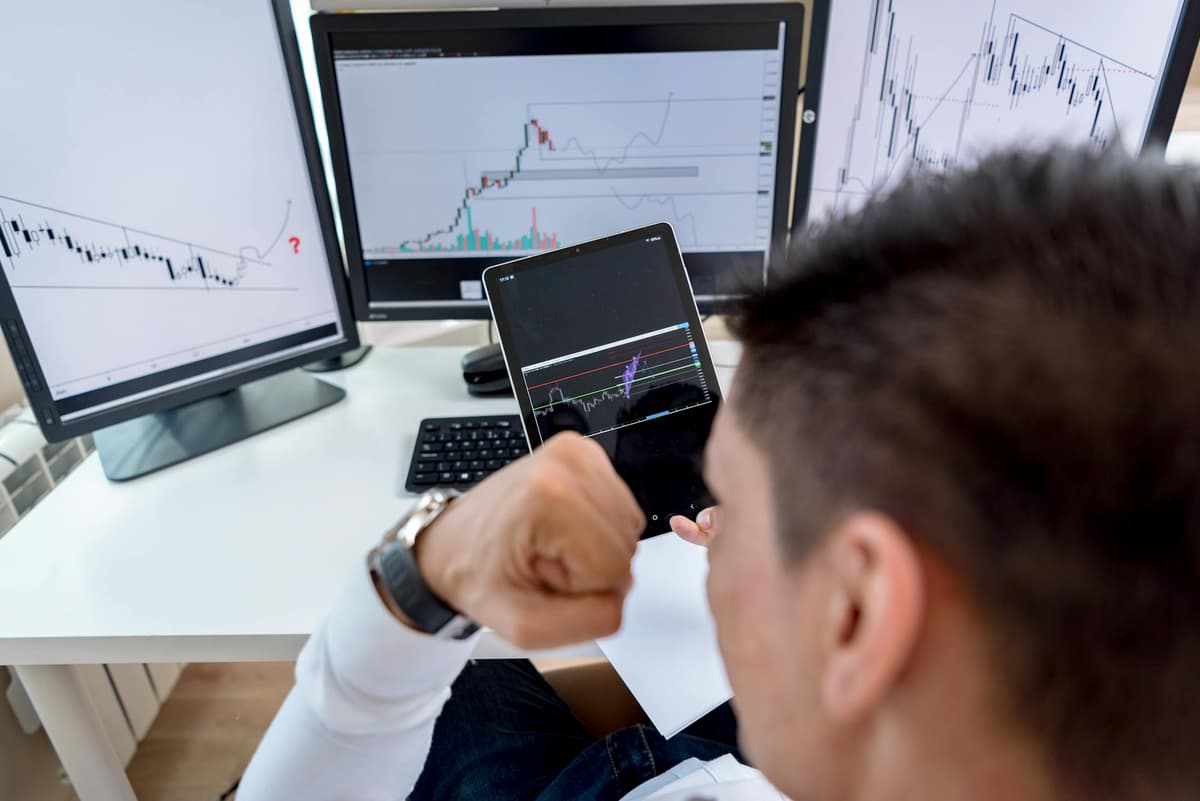
Bonding curve metrics provide a mathematical representation of a memecoin's price-to-supply ratio, allowing participants to gauge how close a token is to hitting its liquidity migration threshold. By tracking the percentage of the curve filled, the velocity of buy orders, and the concentration of early wallet clusters, users can identify the maturity level of a token before it migrates to a decentralized exchange.
Understanding the Curve
A bonding curve is the underlying mechanism that dictates how the price of a memecoin changes as new tokens are minted or bought. In the current Solana ecosystem, these curves act as a filter, ensuring that only tokens with sufficient community buy-in reach the secondary market. Understanding these mechanics is not about predicting price, but about understanding the state of the asset's lifecycle.
Metrics that Matter
- Curve Percentage: This indicates how much of the initial supply has been purchased. A higher percentage suggests the coin is approaching its migration goal.
- Buy Velocity: This measures the rate of incoming transactions. Sudden spikes here often correlate with whale accumulation or increased social sentiment.
- Holder Concentration: Observing how many distinct wallets hold the supply. A healthy curve typically shows a diverse distribution rather than a few wallets controlling the majority.
Analyzing On-Chain Movements
1. Identify Whale Clusters
Use a block explorer to search the token contract address. Look for wallets that bought in at the very early stages. If these wallets are holding rather than selling as the curve fills, it suggests long-term confidence in the token's trajectory.
2. Monitor Liquidity Migration
Most Solana memecoins follow a trajectory where the curve "breaks" once a specific threshold of liquidity is reached. Track the remaining amount required to hit this target. Tokens that stall at 80-90% for extended periods often suffer from "liquidity fatigue."
3. Evaluate Volume vs.
Supply
High volume with stagnant supply growth on the curve usually indicates wash activity. Conversely, steady growth in both volume and unique holders generally signals organic interest from the broader market.
Table: Bonding Curve Health Indicators

| Indicator | Bullish Signal | Bearish Signal |
|---|---|---|
| Holder Growth | Steady, organic increase | Stagnant or rapid decline |
| Whale Activity | Accumulation/Holding | Rapid dumping/Exit |
| Curve Completion | Consistent progress | Stalled near milestones |
| Transaction Type | Diverse wallet sizes | Bot-heavy/Single wallet dominance |
FAQ
What does it mean when a bonding curve stalls?
A stall typically indicates that the initial hype has faded and there is insufficient new capital entering the curve to reach the migration threshold. This often happens when the narrative loses momentum or the initial liquidity pool is too small to sustain further interest.
How can I tell if a whale is manipulating the curve?
Look for cluster patterns in the block explorer. If a significant percentage of the bonding curve is filled by a single entity or a group of wallets that share the same funding source, it is a high-risk indicator. Genuine market confidence is usually reflected in a wide distribution of unique, non-connected wallets.
What this is NOT
This content is for informational purposes only. It is not financial advice, not a buy signal, and does not guarantee results. Memecoin markets are highly volatile, and the use of on-chain data is intended to help you understand market mechanics, not to predict outcomes or provide profit assurances. Always perform your own research and exercise caution when interacting with decentralized protocols.
Related posts in On-Chain & Whale Tracking
- On-Chain & Whale Tracking
Solana Liquidity Migration: Tracking Whale Patterns on DEXs in 2026
Master the art of tracking liquidity shifts on Solana. Learn how to monitor whale movements and DEX migration patterns to better understand on-chain data.
Memelogs
- On-Chain & Whale Tracking
On-Chain Whale Tracking: Detecting Early Accumulation Patterns in 2026
Master the art of tracking whale wallet behavior to identify early accumulation trends before they heat up. Learn how to monitor on-chain flows like a pro.
Memelogs
- On-Chain & Whale Tracking
Tracking Whale Wallets: A Practical Workflow for Solana Market Analysis 2026
Learn how to monitor Solana whale activity through on-chain analysis. Master the workflow of tracking accumulation and liquidity shifts without copy-trading.