
Tracking Whale Wallets: A Practical Workflow for Solana Market Analysis 2026
Learn how to monitor Solana whale activity through on-chain analysis. Master the workflow of tracking accumulation and liquidity shifts without copy-trading.

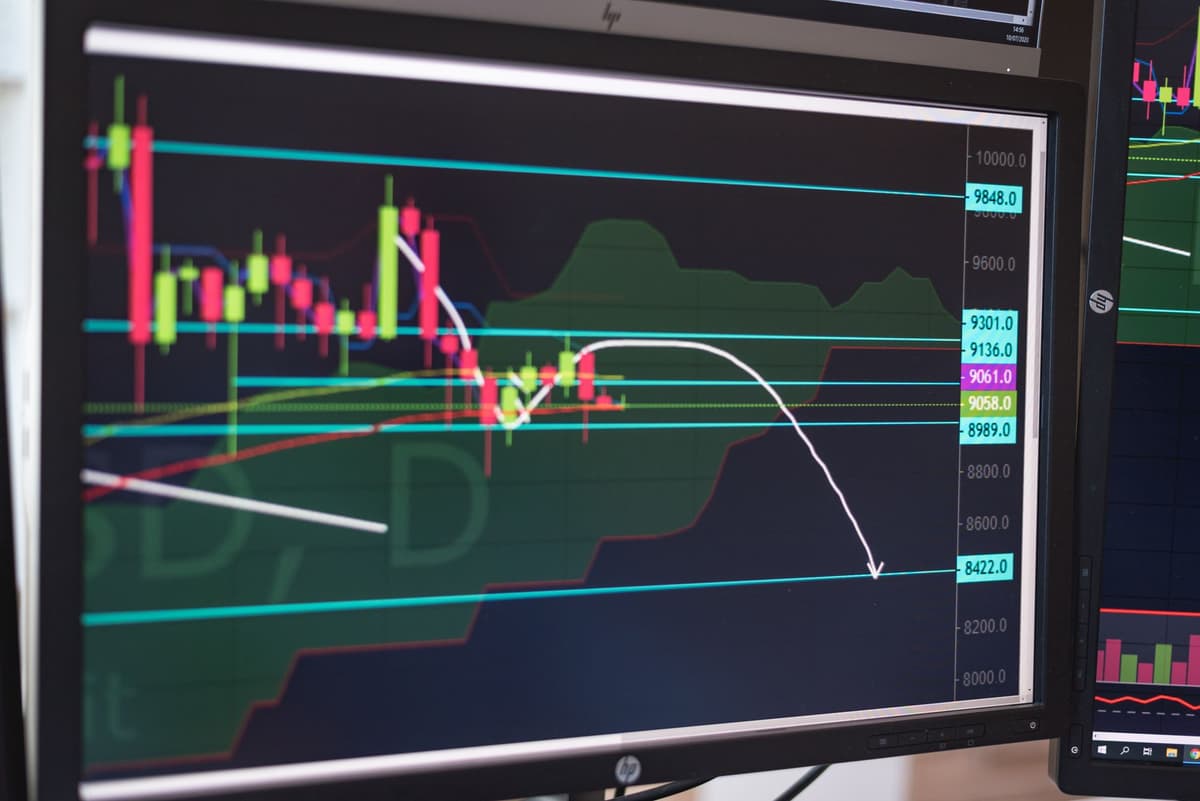
Tracking whale wallets on Solana involves identifying clusters of high-activity addresses and monitoring their accumulation phases relative to liquidity depth. By using on-chain intelligence to observe behavioral patterns rather than blindly following transactions, market participants can better understand liquidity shifts before they reflect in price movements.
The Reality of Whale Tracking
Following "smart money" is often misunderstood as a simple game of mirroring transactions. In reality, by the time a high-volume trade hits a public dashboard or social media feed, the price impact has already occurred. True analysis requires identifying the "accumulation" phase—where large players consolidate positions over time—rather than reacting to single, high-volume "buy" alerts.
This is not financial advice. This is not a buy signal. Market dynamics are volatile and on-chain data should be used for research, not as a shortcut to profit.
Step-by-Step: Analyzing On-Chain Behavior
1. Identify the Target Wallet Cluster
Instead of looking for a single "God wallet," look for clusters of addresses that show consistent, profitable behavior over a long time horizon. Use block explorers to look for wallets that were early to liquidity pools that eventually migrated to major decentralized exchanges. Look for addresses that hold tokens through periods of high volatility rather than flipping for immediate, small gains.
2. Monitor Liquidity and Token Distribution
Once you have a target, check the token distribution of their holdings. A whale holding 60% of the circulating supply poses a different risk profile than one holding 5%. Check the liquidity pool (LP) depth on the relevant decentralized exchange. If a whale holds a significant portion of the total liquidity, their exit could cause a massive, immediate slippage event.
3. Analyze Accumulation vs.
Distribution
Look at the transaction history of the wallet. Are they buying in small, steady increments over several days? This is often a sign of accumulation intended to avoid spiking the price. Conversely, look for rapid, high-frequency selling into liquidity pools, which often signals a distribution phase or a "dump" in common parlance.
4. Validate with On-Chain Metrics
- Volume: Does the volume correlate with a specific, identifiable event or just organic market movement?
- Holders: Is the number of unique holders increasing or decreasing as the whale buys?
- Migration: If the asset is a new token, has it moved from a bonding curve to a permanent liquidity pool?
Understanding the Data
On-chain data is raw and requires interpretation. A wallet moving funds to a centralized exchange (CEX) wallet is a classic indicator of potential selling pressure. However, some whales move funds to CEXs for staking or lending purposes. Never assume a transfer to an exchange address is a definitive sell signal; always cross-reference the transaction with the wallet's historical behavior.
| Metric | Significance |
|---|---|
| LP Ownership | High ownership indicates high risk of slippage |
| Holding Duration | Long-term holds suggest conviction vs. speculation |
| Swap Frequency | High frequency may indicate automated trading bots |
| Wallet Age | Older wallets often correlate with "smart money" |
FAQ
Does tracking a whale ensure I will make a profit?
No. Tracking whale wallets provides data on where large capital is moving, but it does not account for market timing, liquidity depth, or the reason behind the trade. Whales have different risk tolerances and time horizons than individual market participants.
How can I tell if a whale is dumping or just rebalancing?
Look at the destination address of the transfer. If funds are sent to a known exchange deposit address in large, concentrated amounts, it is often a precursor to selling. If the funds are distributed across multiple new wallets or sent to cold storage, it may indicate a rebalancing or long-term consolidation strategy.
Conclusion
Effective on-chain analysis is about patience. By focusing on the accumulation patterns and liquidity health of a token, you can build a clearer picture of market sentiment. Avoid the urge to copy-trade blindly; instead, use these tools to build your own thesis based on verifiable data rather than social media hype.
Related posts in On-Chain & Whale Tracking
- On-Chain & Whale Tracking
Solana Liquidity Migration: Tracking Whale Patterns on DEXs in 2026
Master the art of tracking liquidity shifts on Solana. Learn how to monitor whale movements and DEX migration patterns to better understand on-chain data.
Memelogs
- On-Chain & Whale Tracking
On-Chain Whale Tracking: Detecting Early Accumulation Patterns in 2026
Master the art of tracking whale wallet behavior to identify early accumulation trends before they heat up. Learn how to monitor on-chain flows like a pro.
Memelogs
- On-Chain & Whale Tracking
Altcoin Playbook 2026: Tracking Whale Wallets, LP, and Concentration Risk
Master the art of on-chain analysis. Learn how to track Solana whale wallets, assess liquidity pool health, and identify holder concentration risks in 2026.
Memelogs