
Solana Whale Tracking: A Step-by-Step Guide for On-Chain Analysis in 2026
Master the art of on-chain monitoring. Learn how to track whale wallets on Solana without copy-trading blind using technical analysis and wallet metrics.

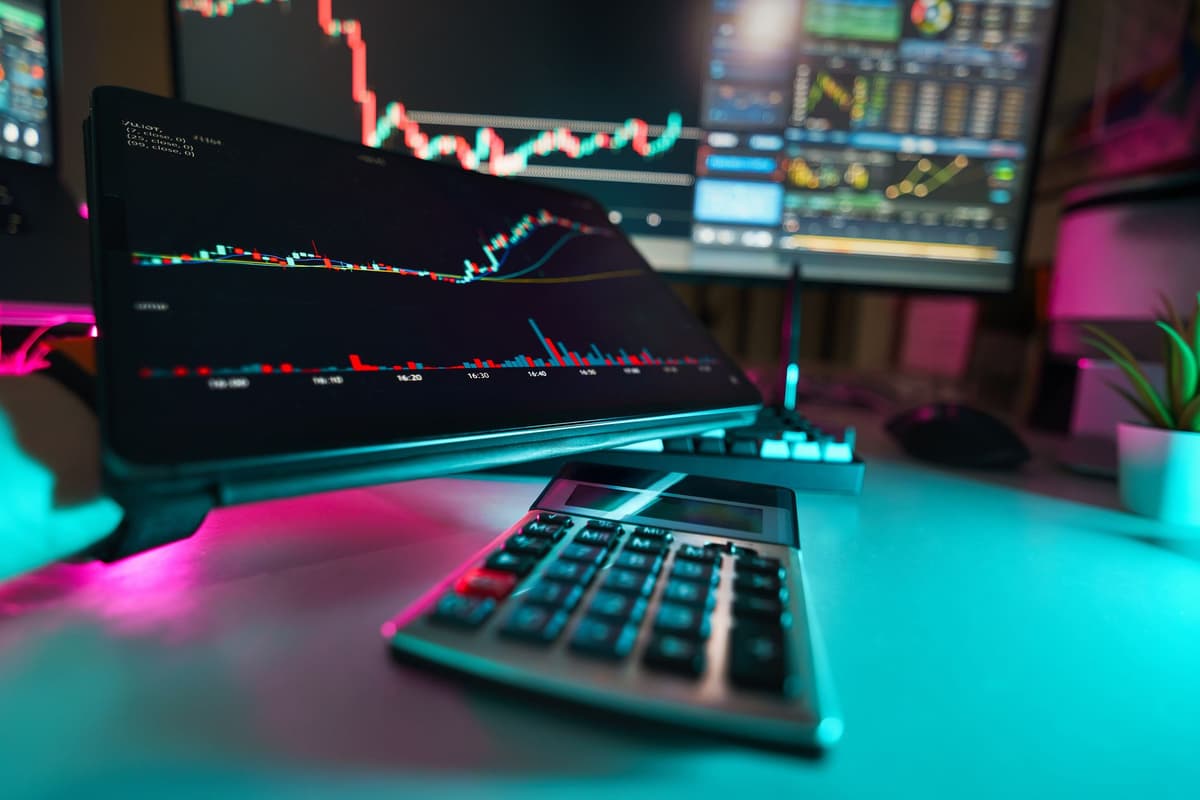
Tracking whale wallets involves identifying specific addresses with a history of profitable, early-stage entry into memecoins and monitoring their movements via block explorers and analytics platforms. By focusing on liquidity patterns and wallet clustering rather than automated replication, you can gain insight into market sentiment and liquidity shifts.
The Architecture of Whale Tracking
In the Solana ecosystem, transparency is the primary advantage for any market participant. Unlike traditional finance, where order books are opaque, every transaction on Solana is recorded on a public ledger. However, raw data is noisy. To follow whale activity effectively, you must filter out the "noise"—such as exchange hot wallets or automated liquidity provision bots—and focus on high-conviction actors.
Following a whale is not about chasing their latest trade. It is about understanding their behavior patterns. Are they buying into established trends, or are they early liquidity providers for new projects? By analyzing these behaviors, you develop a mental model of how smart money interacts with the bonding curve.
Step-by-Step: Analyzing On-Chain Behavior
1. Identify Potential Whale Wallets
Look for wallets that held significant positions in tokens before they achieved high volume or market cap growth. Use block explorers to filter for transactions exceeding a specific threshold of SOL or stablecoins. Focus on addresses that consistently enter new positions during the initial phases of a token’s lifecycle.
2. Verify Wallet Performance Metrics
Once you find a potential candidate, check their historical performance. A "whale" is not just someone with a high balance; it is someone with a high win rate or a history of identifying early-stage tokens. Look for:
- Realized gains versus unrealized losses.
- Frequency of position turnover.
- Average holding period for new memecoins.
3. Monitor Liquidity and Holders
When a whale moves, observe the impact on the token’s liquidity pool. A large buy from a whale often creates a temporary price spike. Check the token contract to see if the whale’s position represents a dangerous percentage of the total supply, which could lead to extreme volatility if they decide to exit their position suddenly.
4. Distinguish Between Smart Money and Noise
Not every large transfer is a strategic move. Many whales are simply moving assets between their own wallets or interacting with decentralized finance protocols for yield farming. Use wallet labeling tools to differentiate between institutional treasury accounts, exchanges, and individual speculators.
Analyzing Data Points
| Metric | Purpose |
|---|---|
| Transaction Volume | Measures the intensity of buying/selling pressure |
| Token Holder Concentration | Identifies risk of central control |
| Entry Timing | Determines if the wallet acts as a lead investor |
| Liquidity Depth | Assesses how easily a whale can exit without crashing the price |
FAQ
Is following a whale a guarantee of profit?
No. Following a whale is not financial advice and is not a buy signal. Whales often trade with different risk profiles, capital availability, and time horizons than retail participants. Their trades may be part of a larger, multi-chain hedging strategy that is not visible on a single chain.
How can I avoid copy-trading blindly?
Do not automate trades based on whale alerts. Instead, use these alerts as a research trigger. When a whale enters a new position, perform your own due diligence by checking the token's metadata, the liquidity pool's security, and the project's overall social footprint before making any decisions.
What this is NOT
This article is not financial advice, not a buy signal, and does not guarantee results. On-chain data is a tool for insight, not a substitute for personal risk management and independent research. Always prioritize the security of your own assets and never deploy more capital than you are prepared to lose in the volatile memecoin market.
Related posts in On-Chain & Whale Tracking
- On-Chain & Whale Tracking
Decoding Solana Bonding Curve Metrics: A 2026 Guide to On-Chain Analysis
Master the art of reading bonding curve metrics on Solana. Learn how to analyze liquidity, holder distribution, and volume to navigate the memecoin market.
Memelogs
- On-Chain & Whale Tracking
Decoding Bonding Curve Metrics: A 2026 Guide to Solana Memecoin Architecture
Master the technical mechanics of Solana bonding curves. Learn to analyze liquidity, holder distribution, and on-chain volume before market cap expansion.
Memelogs
- On-Chain & Whale Tracking
Tracking Smart Money Wallets on Solana: On-Chain Analysis for 2026
Master the art of tracking high-signal wallets on Solana. Learn to monitor on-chain movements, liquidity shifts, and whale activity for smarter market analysis.