
Decoding Solana Bonding Curve Metrics: A 2026 Guide to On-Chain Analysis
Master the art of reading bonding curve metrics on Solana. Learn how to analyze liquidity, holder distribution, and volume to navigate the memecoin market.

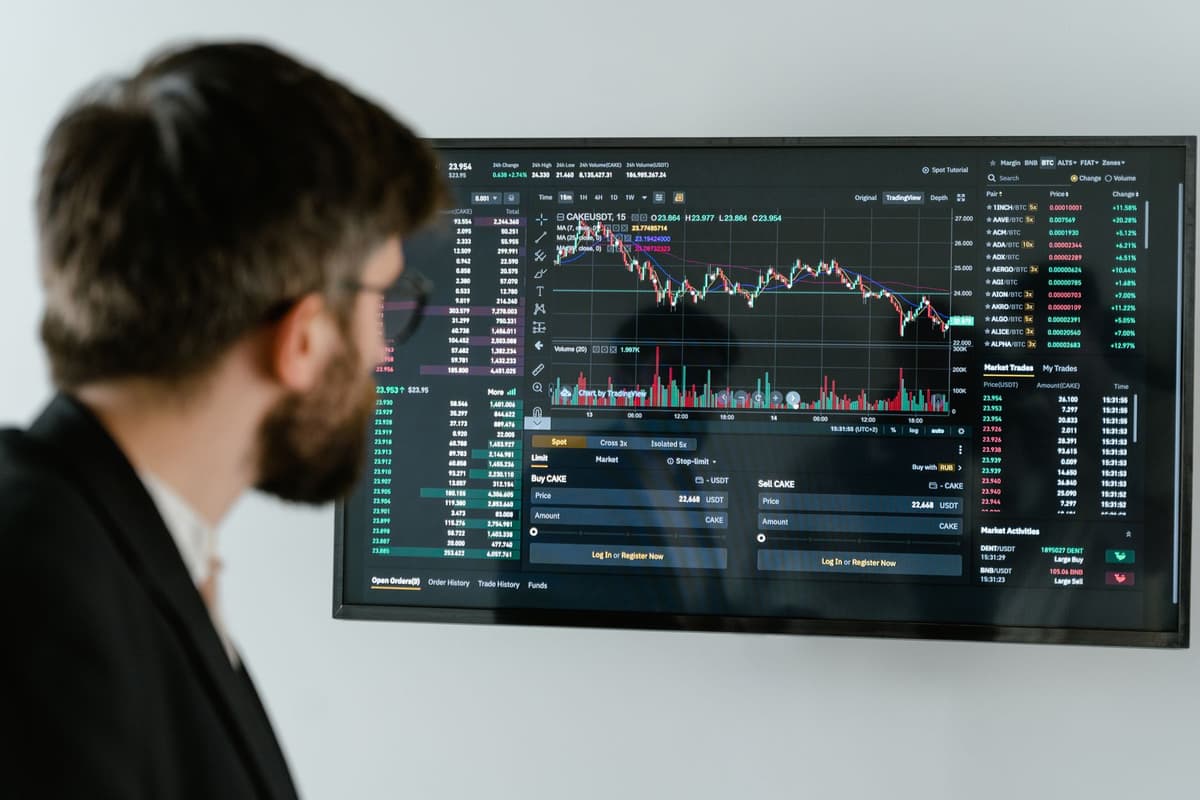
Bonding curve metrics provide a mathematical view of a token's price progression based on supply. By monitoring the graduation progress, liquidity depth, and wallet concentration, market participants can better understand the current state of a token before it migrates to decentralized exchanges.
Understanding the Curve
A bonding curve is a deterministic pricing model where the token price functions as a direct output of its circulating supply. Unlike traditional order books that rely on matching buy and sell interest, a bonding curve guarantees liquidity by programmatically adjusting the price as the supply increases. In the 2026 Solana ecosystem, this mechanism has become the standard for memecoin launches, creating a race to reach "graduation"—the point where a token secures permanent liquidity on a decentralized exchange.
Analyzing On-Chain Metrics
To evaluate a token's trajectory, you must look past the price and focus on the mechanics of the curve itself. The primary goal is to determine if the token is gaining organic momentum or if it is approaching a point of saturation.
1. Monitor Graduation Progress
Check the percentage of the bonding curve filled. If a token is at 80% or higher, the price impact of new buys is significantly higher, meaning the curve is nearing its cap. Watch for sudden stalls in this progress, which may indicate that the initial wave of liquidity is exhausted.
2. Assess Holder Distribution
Use an on-chain explorer to view the top holders. A healthy distribution shows a wide array of wallets with relatively small percentages of the supply. If the top five wallets control a significant portion of the total tokens, the bonding curve is susceptible to a massive sell-off as soon as the token migrates to a DEX.
3. Evaluate Buy-to-Sell Ratios
Look for consistent buy volume rather than single massive transactions. A steady stream of small-to-medium buy orders suggests community interest, whereas a single whale wallet moving the curve early often signals a "pump and dump" scenario. Track the volume through public explorers to see if the activity is concentrated in a few addresses.
4. Liquidity Quality Check
Once the curve nears completion, verify that the liquidity is being locked or burned upon migration. Transparent protocols will show the transition of bonding curve proceeds into the liquidity pool on a decentralized exchange. If the liquidity is not being moved to a permanent pool, the token is likely a high-risk experiment.
Market Dynamics in 2026
The 2026 landscape has seen massive spikes in Solana DEX volume, often driven by specific viral themes. When a token gains traction, it is common to see a surge in daily trading activity. However, high volume does not equate to long-term stability. Always differentiate between speculative frenzies, which are short-lived, and community-driven accumulation.
| Metric | Indicator of Stability | Warning Sign |
|---|---|---|
| Holder Count | Growing steadily | Stagnant or dropping |
| Wallet Concentration | High dispersion | Top 3 holding > 30% |
| Volume Source | Distributed | Single-whale spikes |
| Curve Progress | Incremental | Rapid, unnatural jumps |
FAQ
What does it mean when a bonding curve "graduates"?
Graduation is the final stage where the bonding curve reaches its target liquidity threshold. At this point, the protocol automatically migrates the collected liquidity to a decentralized exchange, allowing the token to trade freely without the constraints of the bonding curve formula.

Why should I check wallet clusters before buying?
Wallet clusters reveal if a small group of entities is controlling the supply. If you identify multiple wallets that consistently interact with the same tokens or show identical transaction patterns, it suggests that a single operator is managing the volume, which significantly increases the risk of market manipulation.
What this is NOT
This analysis is for educational purposes only and does not constitute financial advice. It is not a buy signal, and we do not provide recommendations for specific assets. Always conduct your own research before interacting with any smart contract on the Solana network.
Related posts in On-Chain & Whale Tracking
- On-Chain & Whale Tracking
Solana Whale Tracking: A Step-by-Step Guide for On-Chain Analysis in 2026
Master the art of on-chain monitoring. Learn how to track whale wallets on Solana without copy-trading blind using technical analysis and wallet metrics.
Memelogs
- On-Chain & Whale Tracking
Decoding Bonding Curve Metrics: A 2026 Guide to Solana Memecoin Architecture
Master the technical mechanics of Solana bonding curves. Learn to analyze liquidity, holder distribution, and on-chain volume before market cap expansion.
Memelogs
- On-Chain & Whale Tracking
Tracking Smart Money Wallets on Solana: On-Chain Analysis for 2026
Master the art of tracking high-signal wallets on Solana. Learn to monitor on-chain movements, liquidity shifts, and whale activity for smarter market analysis.