
Solana Whale Tracking: How to Identify and Follow Smart Money in 2026
Master on-chain analysis to track smart money on Solana. Learn how to identify profitable wallets and monitor real-time token movements without the noise.

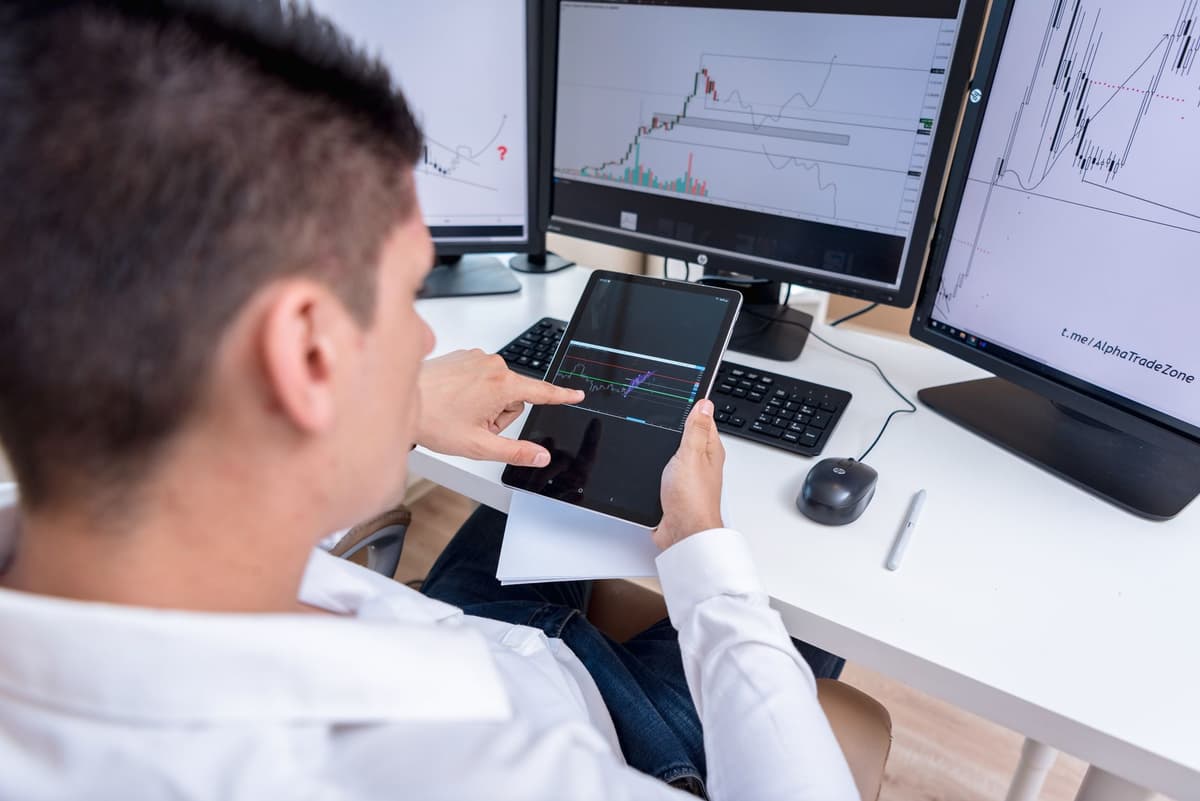
Tracking smart money on Solana involves identifying consistently profitable wallet clusters using AI-labeled on-chain data to monitor their accumulation and exit patterns. By focusing on wallets that demonstrate a high success rate across multiple token launches rather than just total balance, you can observe market movements in real-time. This approach relies on analyzing public blockchain data to observe liquidity allocation and holder concentration.
The Architecture of Smart Money
In the high-velocity environment of the Solana network, the difference between retail participants and informed market participants is information latency. Every transaction on Solana is public, meaning the historical performance of any wallet is verifiable.
"Smart money" is defined not by the absolute size of a wallet, but by its consistency. A whale worth tracking is an address that frequently captures early entry points on tokens before they reach high liquidity. By analyzing the lifecycle of these wallets, you can distinguish between random retail activity and systematic accumulation strategies.
How to Conduct On-Chain Wallet Analysis
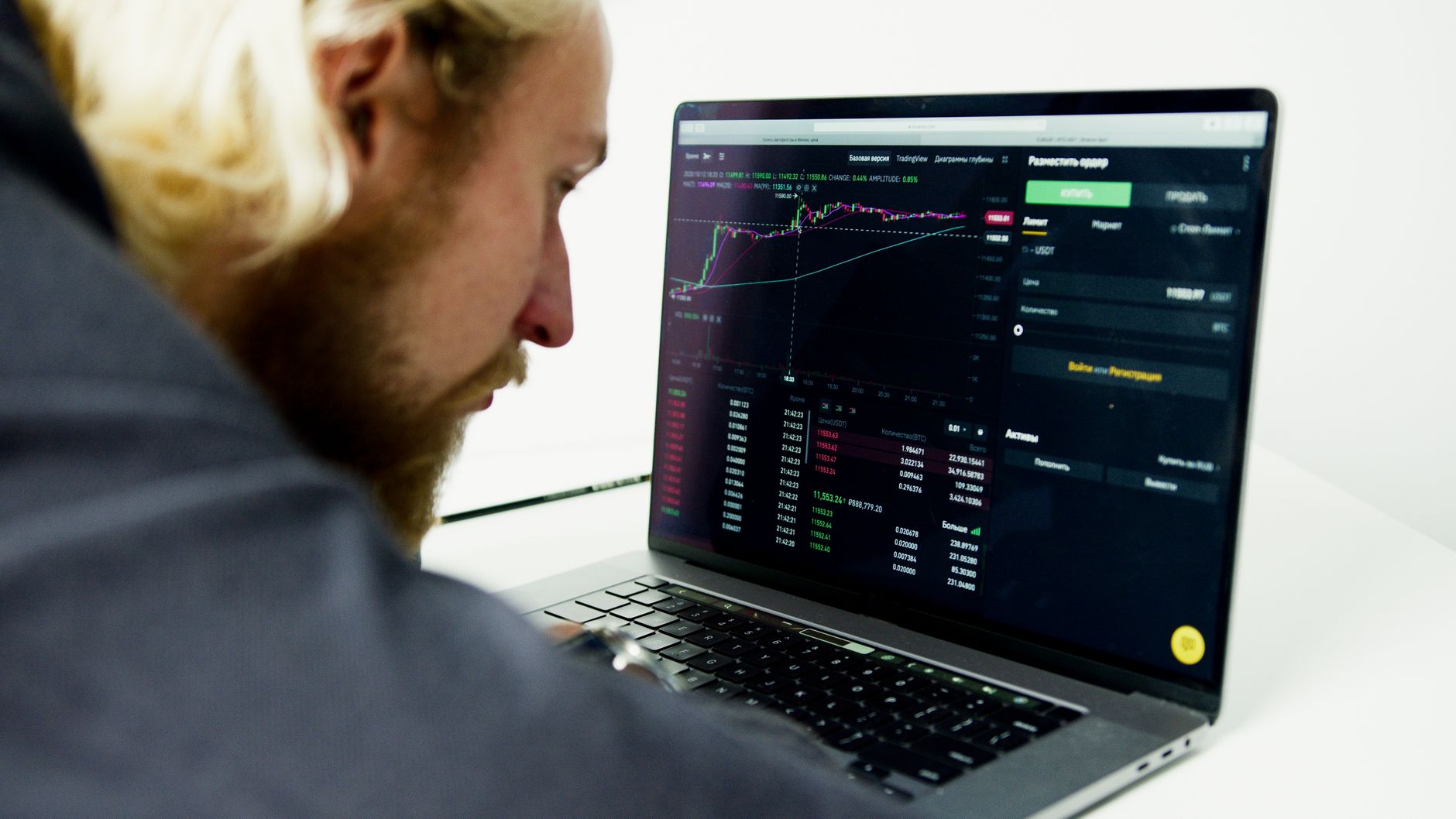
1. Filter for AI-labeled Smart Money
Use on-chain analytics platforms that provide AI-labeling to categorize addresses based on historical performance. Focus on wallets tagged as "Smart Money" or "Profitable" to filter out noise from exchanges, bridge contracts, or dormant addresses.
2. Verify Wallet Consistency
Before following an address, examine its transaction history. Look for:
- Early entry: Does the wallet consistently purchase tokens within the first minutes of a liquidity pool launch?
- Sell discipline: Does the wallet take profit in stages, or does it dump the entire position at once?
- Asset diversity: Does the wallet hold a basket of tokens that suggest a specific strategy, or is it chasing every high-volume trend?
3. Monitor Liquidity and Holders
Once you have identified a set of high-signal wallets, look at the tokens they are accumulating. Check the following on-chain metrics:
- LP Lock Status: Is the liquidity pool locked or burned?
- Holder Concentration: Is the supply concentrated in a few wallets, or is it distributed?
- Volume-to-Market-Cap Ratio: Is the current trading volume organic or manipulated?
| Metric | Purpose | Why it matters |
|---|---|---|
| Entry Timing | Identify early movers | Measures latency against the bonding curve |
| Realized PnL | Verify success | Filters out "lucky" one-time winners |
| Position Size | Gauge conviction | Shows how much capital they risk on a single asset |
Understanding the Risks
This is not financial advice and does not constitute a buy signal. Tracking wallets is a method for gathering data, not a strategy for guaranteed results. Even the most successful wallets experience significant drawdowns. Following a wallet blindly can lead to losses if the market participant is dumping a position as you are entering it.
FAQ
What makes a wallet qualify as 'smart money' in 2026?
Smart money is defined by a statistically significant track record of entering positions early and exiting with profit, rather than the total amount of capital held. These wallets are identified by their ability to consistently participate in successful token launches across multiple cycles.
Can I automate my tracking process to reduce latency?
Yes, most on-chain analytics tools allow you to set up alerts for specific wallet addresses. By configuring notifications for when a target wallet interacts with a new token contract or a decentralized exchange, you can significantly reduce the time between an action being taken on-chain and your awareness of it.
Conclusion
On-chain analysis is the primary tool for navigating the Solana ecosystem. By focusing on the patterns of proven participants and verifying the underlying mechanics of liquidity and token concentration, you can build a more informed view of market activity. Always maintain a skeptical approach to the data you see and treat every on-chain observation as a single piece of a larger puzzle.
Related posts in On-Chain & Whale Tracking
- On-Chain & Whale Tracking
Bonding Curve Metrics: Reading Solana Memecoin Data Before Volume Spikes in 2026
Learn how to analyze bonding curve metrics, whale clusters, and liquidity patterns on Solana to identify potential volume shifts before price action occurs.
Memelogs
- On-Chain & Whale Tracking
How to Track Smart Money Wallets on Solana in 2026
Learn how to monitor high-conviction wallet activity on Solana. We break down on-chain tracking methods to identify informed capital flow and liquidity shifts.
Memelogs
- On-Chain & Whale Tracking
The 2026 Memecoin Playbook: On-Chain Verification and Whale Tracking
Master the 2026 memecoin landscape by learning to verify liquidity, analyze holder concentration, and track whale wallet clusters on the Solana network.
Memelogs