
Solana Liquidity Migration: Tracking Whale Patterns on DEXs in 2026
Master the art of tracking on-chain liquidity shifts on Solana. Learn how to monitor whale movements and aggregator routing to identify evolving market trends.

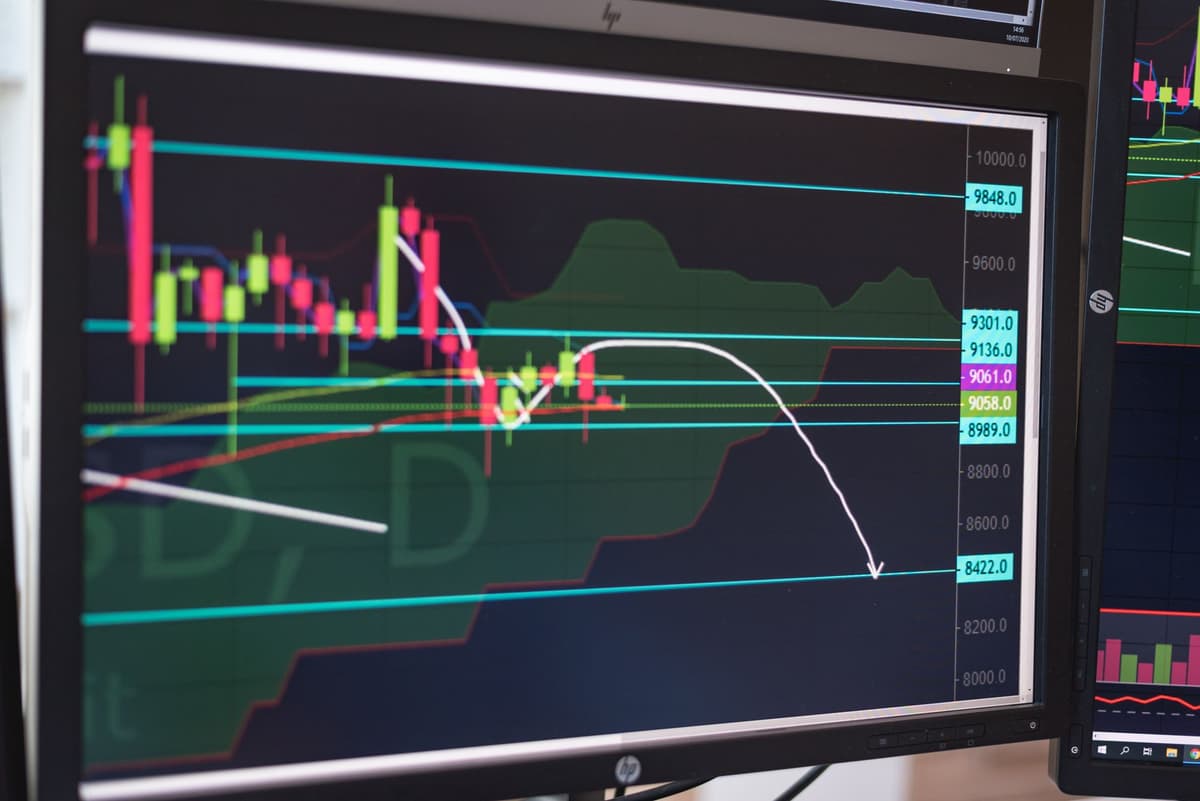
Liquidity migration on Solana in 2026 is largely driven by large-scale transfers from centralized exchanges into on-chain protocols and the routing efficiency of DEX aggregators. By monitoring the flow of capital into liquidity pools and observing the concentration of assets in specific aggregator-compatible platforms, market participants can better understand current liquidity distribution and potential market shifts.
Understanding the 2026 Solana Liquidity Landscape
In 2026, the Solana ecosystem maintains a robust liquidity profile with over $12 billion in total value locked. The landscape is dominated by a few key categories: decentralized lending, perpetual contract markets, and liquid staking. Unlike the earlier days of simple AMMs, the current environment relies heavily on sophisticated routing engines that aggregate volume across multiple venues to minimize slippage for end-users.
Approximately 70% of all trading volume now flows through aggregators. This shift means that liquidity is no longer static; it is highly dynamic, moving based on the best yield opportunities, collateral requirements, and the routing efficiency of platforms. For those tracking these movements, understanding the relationship between centralized exchange inflows and decentralized protocol TVL is essential.
Tracking Whale Movements and Capital Inflows
Large-scale movements of SOL from centralized exchanges to unknown wallets are significant indicators of potential on-chain activity. When massive amounts of capital—sometimes reaching hundreds of millions of dollars—hit the network, they often precede shifts in liquidity provision or increased usage of perpetual and lending protocols.
1. Monitor large-scale transfers using on-chain explorers
Look for transactions originating from known exchange hot or cold wallets. These represent the primary source of fresh liquidity entering the Solana ecosystem.
2. Analyze the destination address characteristics
Check if the receiving wallet interacts with known liquidity protocols or if it distributes funds across multiple smaller addresses. Clustering these wallets helps in identifying institutional or whale-tier behavior.
3. Correlate inflows with TVL spikes
Match large wallet movements with sudden increases in the TVL of major lending and DEX protocols. A lag between a large transfer and a TVL jump usually indicates the capital is being positioned for specific yield strategies.
Analyzing Liquidity Migration Patterns
Liquidity migration is the process where capital shifts from one protocol to another in search of better yields or deeper liquidity pools. On Solana, this is often visible through changes in pool depth on decentralized exchanges versus lending market collateralization.
| Indicator | Data Source | Purpose |
|---|---|---|
| Protocol TVL | On-chain Analytics | Measures total asset commitment |
| Aggregator Volume | DEX Aggregator Docs | Gauges primary routing preference |
| Whale Wallets | Block Explorers | Identifies large capital shifts |
| Lending Utilization | Protocol Dashboards | Tracks capital efficiency and demand |
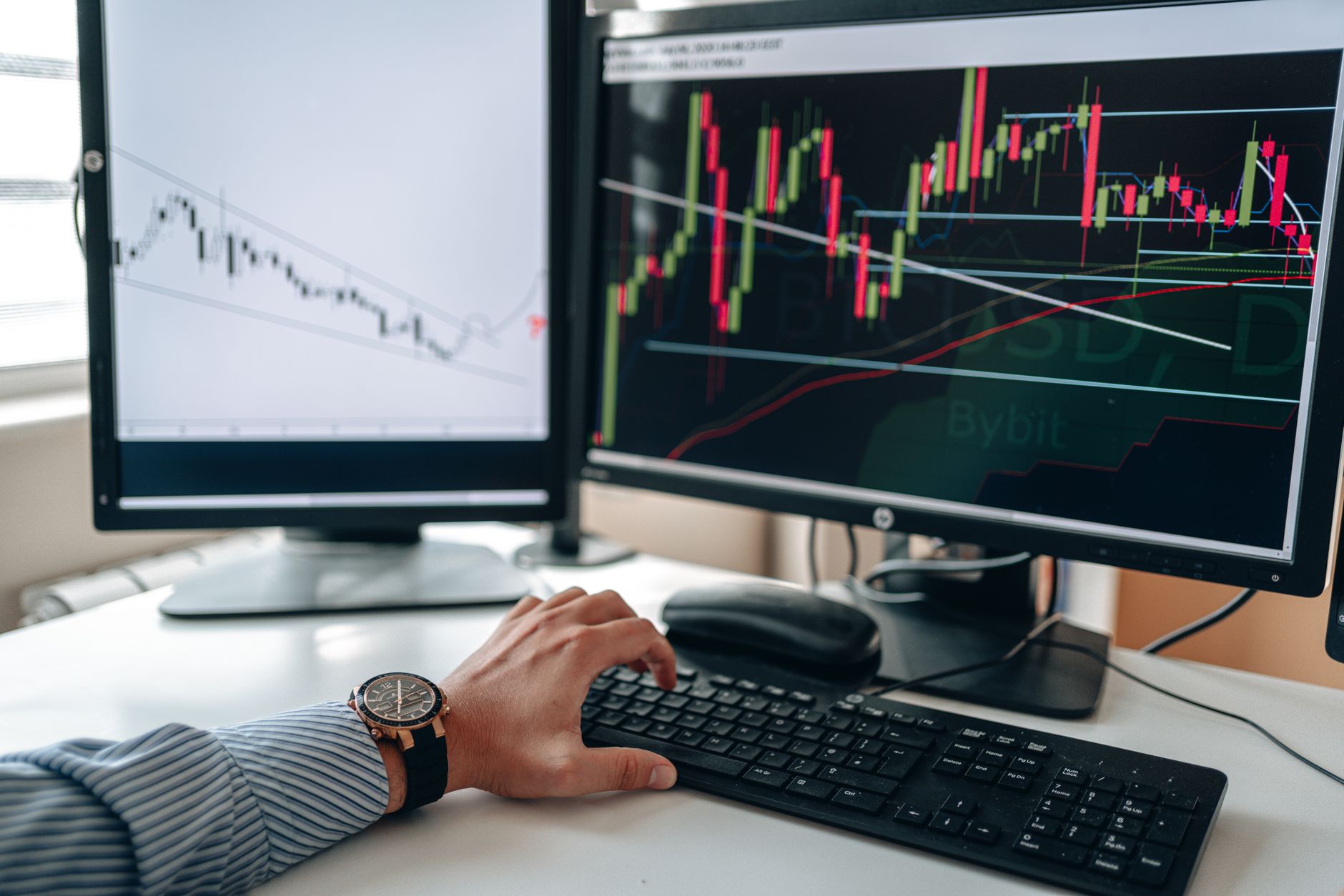
When liquidity migrates, it often follows the path of least resistance—specifically through aggregators that route trades to the most efficient pools. By monitoring which pools receive the highest volume through these aggregators, you can identify where the market is currently prioritizing its liquidity.
FAQ
What is the most effective way to identify liquidity migration?
Monitoring changes in protocol-level TVL alongside aggregator volume data is the most reliable method. When volume consistently shifts toward specific pools while TVL in those pools rises, it indicates a migration of active capital.
Do large whale transfers always impact DEX liquidity?
Not necessarily. While large transfers are a prerequisite for major liquidity shifts, they may also be destined for lending markets, liquid staking protocols, or simply held in self-custody. Always verify if the movement interacts with DEX router contracts or liquidity pool addresses.
What this is NOT
This content is not financial advice, not a buy signal, and not an endorsement of any specific token or protocol. All on-chain analysis involves risk, and market participants should conduct their own research before interacting with any decentralized application.
Final Observations for Market Participants
As the Solana ecosystem matures in 2026, the focus has shifted from simple token speculation to complex liquidity management. Protocols like Kamino, Jupiter, and Raydium have become central to how capital flows. By focusing on the movement of funds from centralized venues to these on-chain hubs, you gain a clearer picture of the ecosystem's health and the direction of institutional capital. Always prioritize data from reliable block explorers and maintain a clear distinction between volume generated by organic usage and volume resulting from whale-driven liquidity shifting.
Related posts in On-Chain & Whale Tracking
- On-Chain & Whale Tracking
Token Playbook 2026: Analyzing Wallets, Liquidity, and Concentration on Solana
Master the art of on-chain analysis. Learn how to verify Solana liquidity pools, track wallet concentration, and spot red flags in the memecoin market.
Memelogs
- On-Chain & Whale Tracking
On-Chain Red Flags: Spotting Solana Whale Manipulation in 2026
Learn to identify early-stage Solana token risks. Master on-chain checks for whale accumulation, liquidity patterns, and vesting schedules to stay informed.
Memelogs
- On-Chain & Whale Tracking
Tracking Smart Money Wallets on Solana: A 2026 Technical Framework
Learn how to track smart money on Solana by monitoring on-chain transaction flows, wallet clustering, and liquidity movements to refine your market analysis.
Memelogs