
Tracking Smart Money Wallets on Solana: A Structural Workflow for 2026
Master the technical workflow for monitoring high-signal wallets on Solana. Learn to filter on-chain data, track liquidity shifts, and analyze whale behavior.

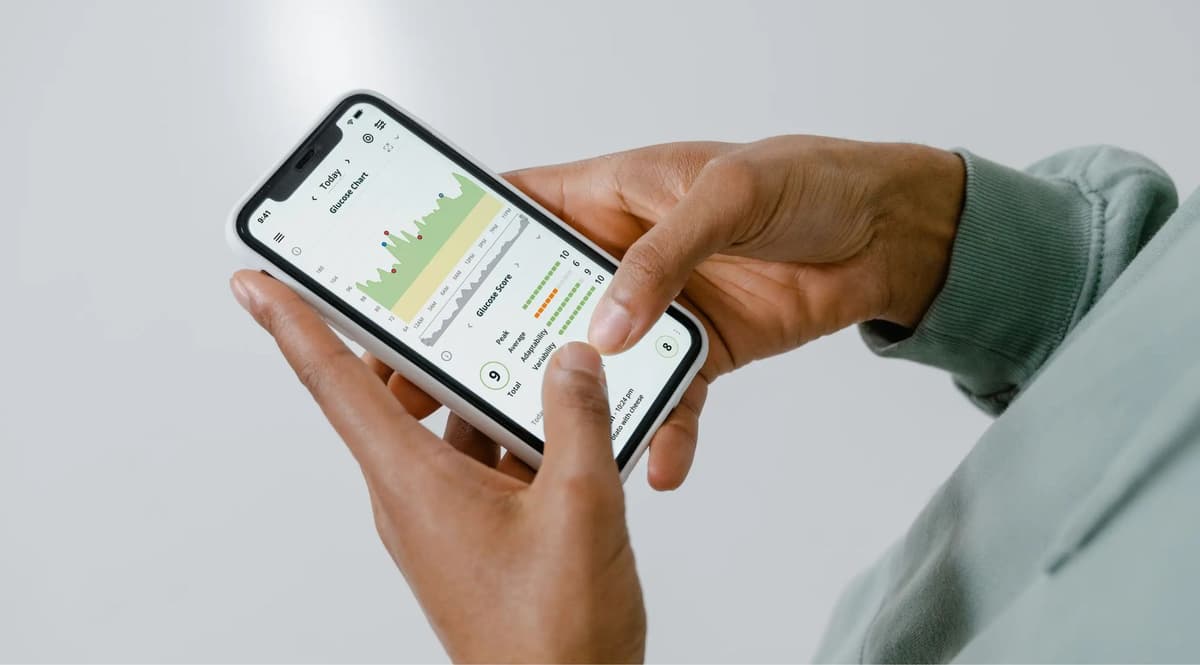
Tracking smart money on Solana involves building a data pipeline that filters raw transaction streams for specific wallet behaviors, such as early entry into liquidity pools and high-win-rate exit strategies. By monitoring on-chain movements via RPC nodes and enrichment tools, participants can observe liquidity shifts and token accumulation patterns to inform their own research.
Understanding the On-Chain Pipeline
In the high-velocity environment of Solana, the difference between retail participants and sophisticated market players is information latency. Smart money tracking is not about copying trades; it is about observing the data points that precede liquidity events. To track these wallets effectively, you must treat the Solana ledger as a real-time stream rather than a static database.
1. Identifying Qualified Wallets
Begin by curating a list of addresses that demonstrate consistent profitability. Look for wallets that engage with tokens early in the bonding curve phase and consistently exit before liquidity is drained. Use block explorers to check the historical win rate of these addresses, focusing on their realized gains across multiple token deployments.
2. Monitoring Real-Time Activity
Use WebSocket connections or gRPC streams to capture transaction data as it hits the chain. Focus on the following triggers:
- Buy orders occurring within the first block of liquidity pool initialization.
- Significant token accumulation that precedes a sharp increase in volume.
- Large-scale divestment that matches the timing of liquidity migration to decentralized exchanges.
3. Analyzing Token Context
Raw data is insufficient without context. Always verify the token metadata and the security status of the liquidity pool. Check if the liquidity is burned or locked, as smart money often avoids tokens with high rug-pull risks unless they are playing a specific, short-term volatility strategy.
| Metric | Purpose | Importance |
|---|---|---|
| Entry Block | Determines early access | Critical |
| LP Status | Indicates pool security | High |
| Holder Count | Monitors distribution | Medium |
| Buy/Sell Ratio | Tracks sentiment shifts | Medium |
Operational Checks for Smart Money
To maintain an edge, you must verify the validity of the activity you observe. Not every large buy is a signal; sometimes it is a liquidity provider or a bot error. Use the following checklist to evaluate wallet movements:
- Verify the wallet's funding source to see if it is linked to a known exchange or a fresh address.
- Cross-reference the token address with the official contract deployment to ensure it is not a honeypot.
- Monitor the volume-to-market-cap ratio to determine if the smart money is entering a genuine trend or a low-liquidity trap.
- Check for 'insider' patterns, such as multiple wallets purchasing the same token within the same block, which often suggests coordinated activity.
The Reality of On-Chain Analysis
This process requires constant refinement. As the network evolves, so do the tactics of sophisticated market participants. Some wallets use sub-accounts to obfuscate their positions, while others use private RPC nodes to execute transactions faster than the public mempool allows. Understanding these architectural nuances is essential for anyone looking to interpret on-chain data accurately.
What this is NOT: This is not financial advice, nor is it a guaranteed method for generating returns. It is not a buy signal, and it does not account for the extreme volatility inherent in memecoin markets.
FAQ
Is wallet tracking a reliable way to predict future token performance?
No. While tracking smart money provides insight into where sophisticated capital is flowing, it is a trailing indicator of activity that has already occurred. Market conditions change rapidly, and what worked for a wallet yesterday may result in a loss today.
How can I avoid being misled by fake volume or bot activity?
Always look for 'organic' indicators, such as a diverse set of holders and consistent liquidity growth rather than a single, massive buy order. Bot activity often manifests as repeated small transactions at precise intervals, which can be filtered out by analyzing the transaction frequency and the source of the funds.
Related posts in On-Chain & Whale Tracking
- On-Chain & Whale Tracking
Tracking Smart Money Wallets on Solana: A 2026 Strategy for On-Chain Analysis
Learn how to effectively monitor high-performing wallets on Solana. Master on-chain tracking to analyze smart money movements and liquidity patterns in 2026.
Memelogs
- On-Chain & Whale Tracking
Tracking Smart Money Wallets on Solana: A 2026 On-Chain Workflow
Master the art of tracking smart money on Solana. Learn how to monitor high-conviction wallets, analyze on-chain flow, and decode liquidity for 2026 markets.
Memelogs
- On-Chain & Whale Tracking
Solana Token Launches: Identifying On-Chain Red Flags in 2026
Learn how to spot red flags in new Solana token launches. Master on-chain analysis to identify liquidity risks, whale manipulation, and suspicious wallet…
Memelogs