
Solana Liquidity Migration: Tracking Whale Patterns on DEXs in 2026
Learn how to track liquidity migration on Solana DEXs. Monitor whale activity, LP shifts, and aggregator flows to understand on-chain market movements in 2026.

Liquidity migration on Solana in 2026 is defined by the shifting of massive capital between centralized exchanges and decentralized venues, primarily facilitated by aggregators like Jupiter. Market participants monitor these flows by tracking large wallet movements, LP depth on platforms like Raydium and Phoenix, and the resulting changes in slippage or trade execution efficiency across the ecosystem.
Understanding On-Chain Liquidity Shifts
In 2026, the Solana ecosystem has matured into a high-throughput trading environment where liquidity is rarely static. With billions in volume passing through decentralized exchanges, the ability to observe where capital moves is a essential skill for any market participant. Whale movements, such as the transfer of hundreds of millions of dollars from centralized exchanges to private wallets, often precede shifts in on-chain liquidity depth.
Liquidity migration usually follows a pattern: large capital enters the ecosystem, is broken into smaller tranches, and is deployed into specific liquidity pools or utilized for yield-generating strategies. When liquidity migrates from one DEX to another, it is often driven by the need for better execution prices or deeper pools, which aggregators like Jupiter help optimize.
#### 1. Identifying Large-Scale Wallet Movements
- Monitor block explorers for large SOL or stablecoin transfers originating from known centralized exchange addresses.
- Observe if these funds are moved to a single holding wallet or distributed across multiple new addresses, which may indicate preparation for liquidity provision.
- Check if the recipient wallets interact with known DEX router contracts, as this is a primary signal that capital is entering the decentralized market.
#### 2. Analyzing DEX Liquidity Depth
- Examine the total value locked in specific pools on platforms like Raydium and Phoenix to see if a sudden influx matches the timing of the whale transfers.
- Compare the price impact of large trades on different DEXs to identify which platforms are currently holding the most efficient liquidity.
- Track the creation of new liquidity pools, as whales often initialize new markets to capture early yield before retail volume peaks.
#### 3. Leveraging Aggregator Data
- Use liquidity aggregators to view the current routing paths for large trade sizes.
- Observe which DEXs are being prioritized by the aggregator, as this confirms where the "deepest" liquidity currently resides.
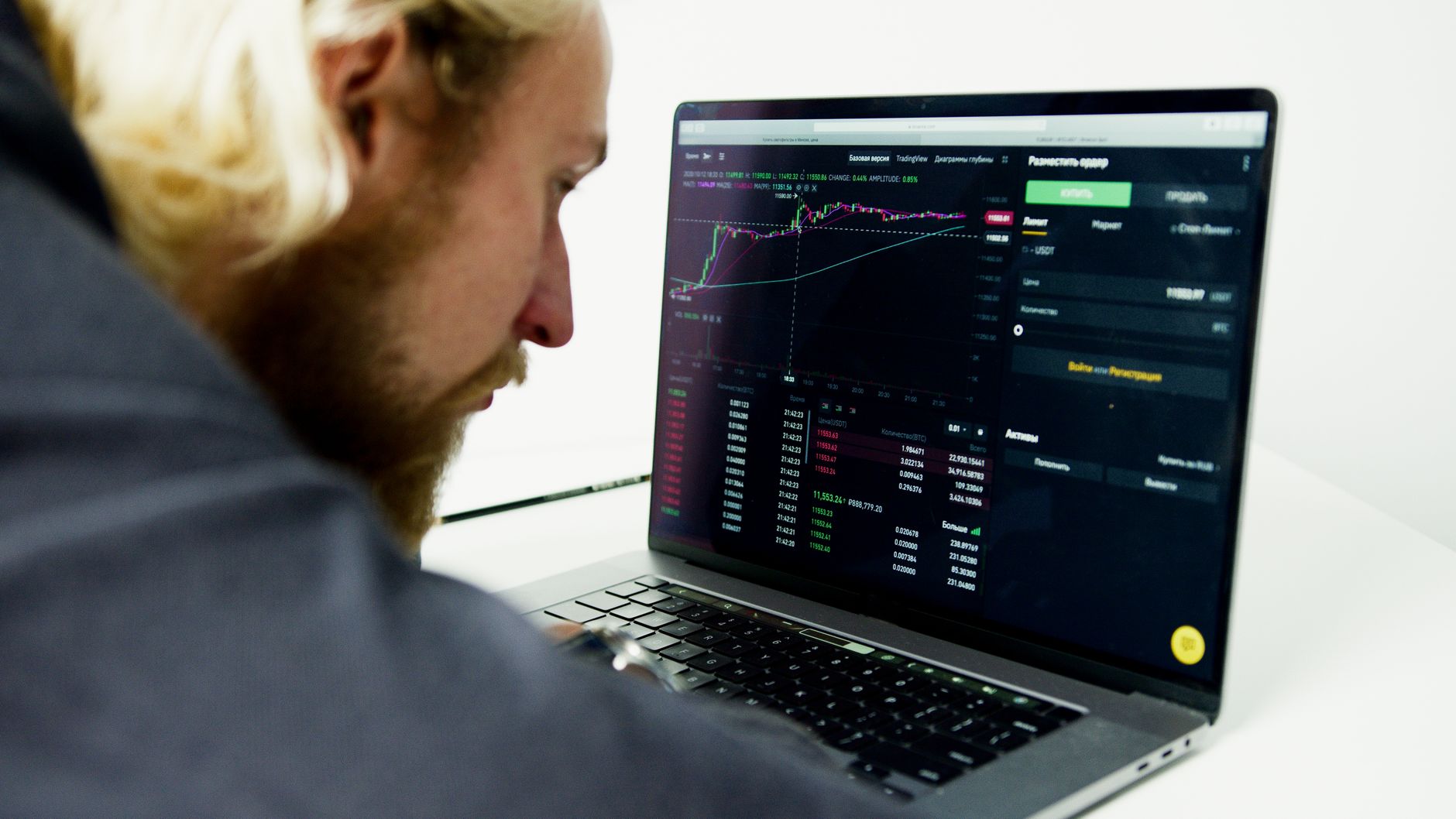
- Monitor slippage rates; a sudden decrease in slippage for large swaps is a clear indicator of successful liquidity migration into that specific pool.
FAQ
What is the primary indicator of liquidity migration on Solana?
The most reliable indicator is a combination of large-scale wallet movements from centralized exchanges followed by a measurable increase in liquidity depth within specific DEX pools or a shift in the routing preference of major aggregators.
Does higher volume always imply better liquidity?
Not necessarily. High volume can sometimes be driven by wash activity or high-frequency trading bots. True liquidity is reflected in the depth of the order book or the ability to execute large trades with minimal price impact, which can be verified by checking pool reserves and aggregator slippage metrics.
What this is NOT
This content is for educational purposes regarding on-chain data analysis and does not constitute financial advice, nor is it a buy or sell signal for any asset.
Related posts in On-Chain & Whale Tracking
- On-Chain & Whale Tracking
On-Chain Whale Tracking: A Step-by-Step Guide for Solana 2026
Learn how to track whale wallets on Solana without blindly copying trades. Master on-chain analysis to identify market trends and smart money movements.
Memelogs
- On-Chain & Whale Tracking
Solana Rug Pulls 2026: Detecting On-Chain Red Flags Before You Trade
Learn to identify Solana rug pulls with our 2026 on-chain checklist. Discover how to verify liquidity, track wallet clusters, and spot malicious token patterns.
Memelogs
- On-Chain & Whale Tracking
Tracking Liquidity Migration Patterns on Solana DEXs: A 2026 Analytical Framework
Master the art of on-chain monitoring. Learn how to track liquidity migration and whale movements on Solana DEXs to understand market shifts in 2026.
Memelogs