
On-Chain Accumulation: Tracking Whale Patterns in the 2026 Solana Ecosystem
Learn how to monitor fresh wallet accumulation on Solana. Discover how to track whale movements and on-chain signals before new market narratives take hold.

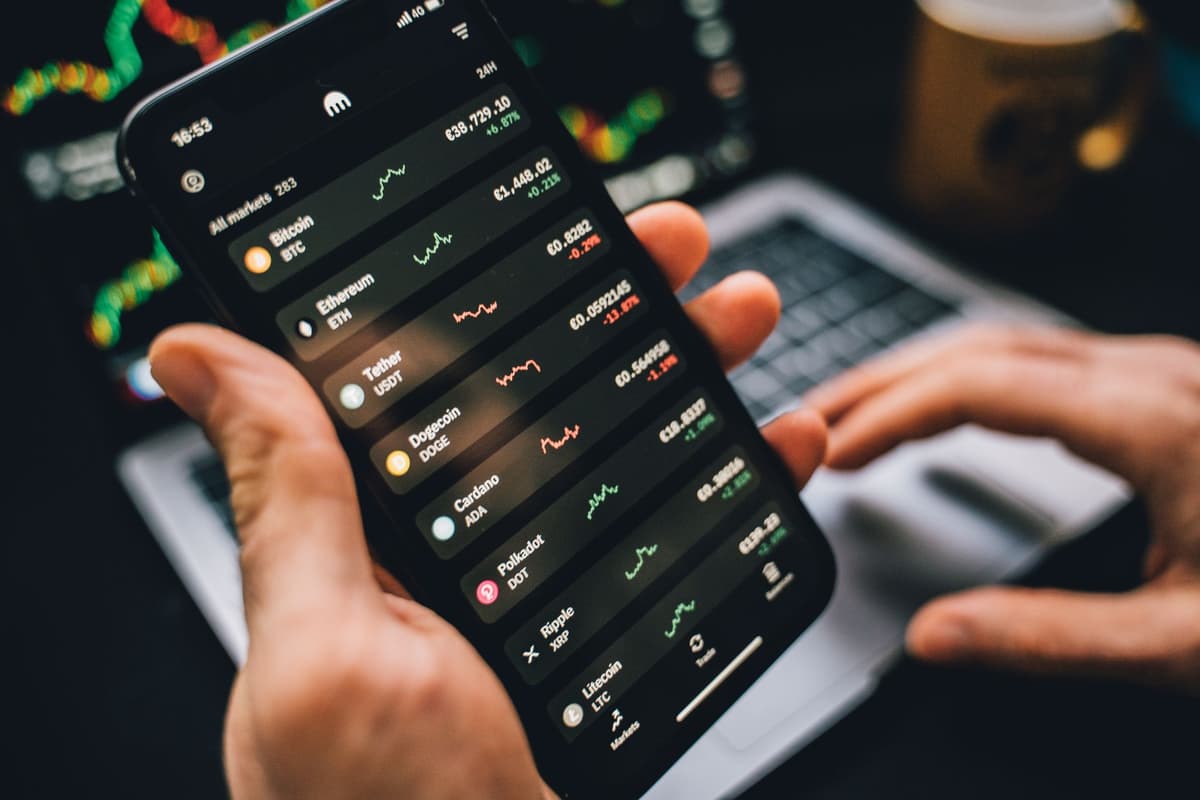
Fresh wallet accumulation is identified by tracking consistent, non-retail entry points into specific liquidity pools before a narrative gains mainstream traction. By monitoring large-scale SOL positioning and liquidity shifts, market participants can observe where capital is being deployed ahead of ecosystem-wide trends.
Understanding the Accumulation Phase
In the current 2026 market climate, Solana has transitioned into a major hub for institutional-grade infrastructure and AI-driven transactional volume. While retail attention often chases price spikes, the "smart money" approach focuses on the accumulation phase—the period where whales, developers, and early testers build positions in tokens or protocols before the broader market recognizes the narrative.
Accumulation is rarely noisy. It is characterized by steady, incremental buys that avoid triggering major price slippage. In the context of the 2026 Solana landscape, this is increasingly driven by entities building on top of new enterprise infrastructure, such as the integrations recently seen with global payment giants and AI agent networks.
How to Track Accumulation: A Technical Workflow
To identify potential accumulation, you must move beyond price charts and look directly at the ledger. Follow these steps to analyze wallet behavior.
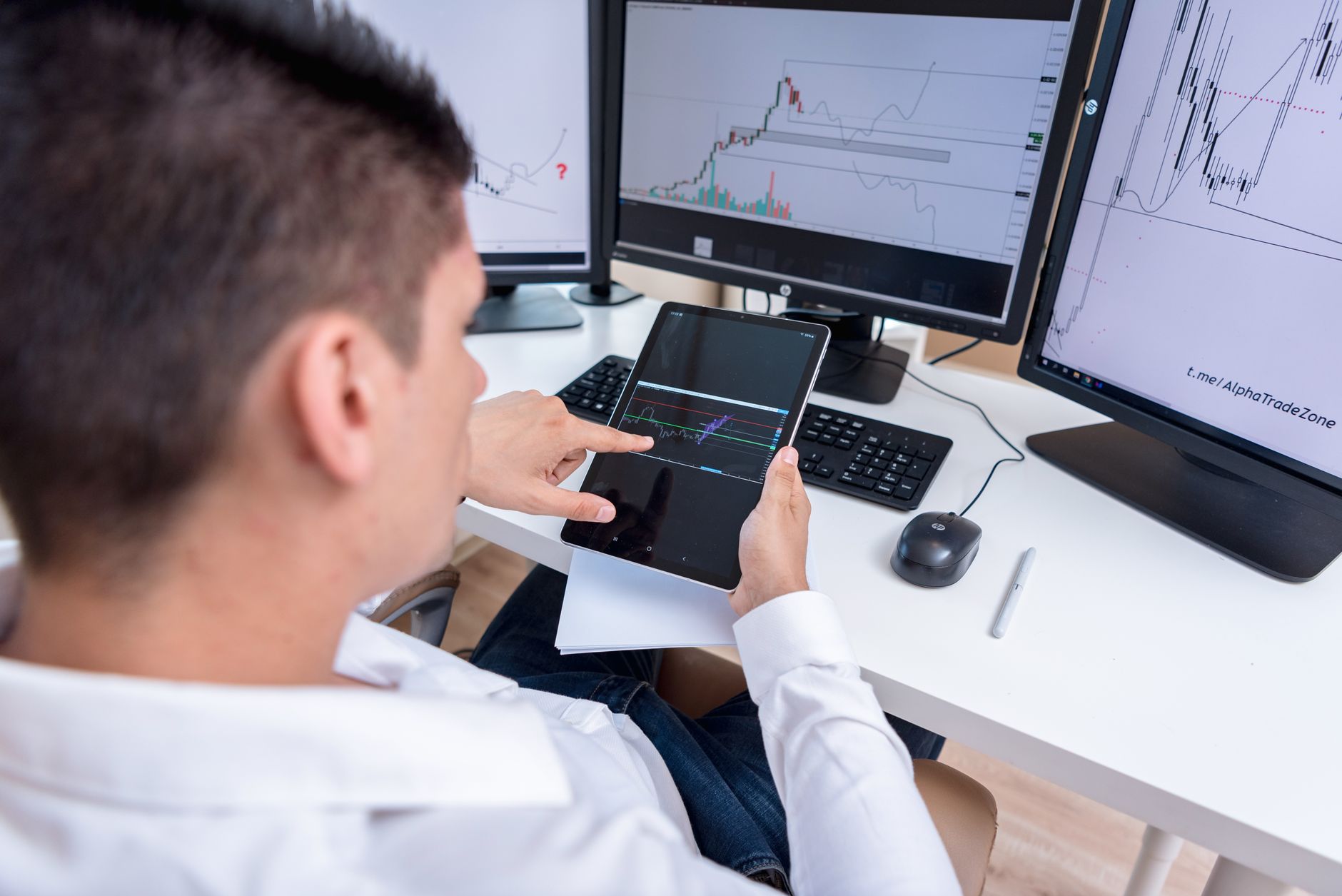
1. Identify Whale Clusters
Use an on-chain explorer to filter for wallets that hold a significant percentage of the supply but have not sold into recent volatility. Look for wallets that have been active for at least 30 days and show consistent interaction with decentralized finance protocols.
2. Monitor Liquidity Provisioning
Check the liquidity pools associated with the token. Accumulation often happens via providing liquidity rather than just buying on the spot market. If a wallet is adding both SOL and the project token to a liquidity pool, they are signaling a long-term stake in the token's stability rather than a quick flip.
3. Analyze Transactional Velocity
Look for tokens that show increasing on-chain volume despite stagnant or declining price charts. This divergence often indicates that developers or early adopters are moving tokens to build utility, such as participating in governance or using the token within an AI-agent-powered payment network.
4. Filter for Protocol Interaction
Check if the wallet addresses are interacting with new, verified smart contracts. In 2026, many narratives are tied to real-world asset integration and stablecoin activity. Wallets that interact with these newly deployed, audited contracts are often the ones closest to the source of a new trend.
Comparative Data: Whale Positioning
| Indicator | Retail Behavior | Whale/Institutional Behavior |
|---|---|---|
| Entry Style | Market buys on high volatility | Limit orders or LP provisioning |
| Holding Period | Days to weeks | Months to years |
| Trigger | Social media sentiment | Protocol fundamentals/Partnerships |
The Role of Fundamentals in 2026
It is important to remember that SOL accumulation by whales in early 2026 occurred despite significant price pressure. This suggests that large holders were looking past the immediate price action to the fundamental shifts in the ecosystem. When monitoring wallets, keep in mind that institutional players like those integrating payment rails on Solana operate on different timelines than the average retail participant.
FAQ
Does high volume always indicate whale accumulation?
No. High volume can often be a sign of retail exhaustion or wash trading. True accumulation is characterized by volume that correlates with a decrease in circulating supply on exchanges and an increase in long-term locked liquidity.
How can I tell if a wallet is a developer or a whale?
Developer wallets usually show patterns of contract deployment, frequent interaction with developer-focused platforms, and lower frequency of standard DEX trading. Whale wallets typically show large, recurring inflows of SOL and diversified holdings across multiple high-liquidity protocols.
What this is NOT: This content is not financial advice, not a buy signal, and does not guarantee any market returns. Always perform your own due diligence when analyzing on-chain data.
Related posts in On-Chain & Whale Tracking
- On-Chain & Whale Tracking
Tracking Whale Wallets in 2026: A Technical Approach to On-Chain Analysis
Learn how to monitor whale wallets on Solana using on-chain data. Master the art of filtering whale activity from noise to improve your market analysis.
Memelogs
- On-Chain & Whale Tracking
Decoding Bonding Curve Metrics: A 2026 Guide to On-Chain Memecoin Analysis
Master the art of reading bonding curve metrics on Solana. Learn how to track liquidity, wallet clusters, and graduation progress to inform your market…
Memelogs
- On-Chain & Whale Tracking
Decoding Bonding Curve Metrics: Analyzing Memecoin Momentum in 2026
Master the art of reading bonding curve metrics on Solana. Learn how to track liquidity, holder distribution, and on-chain volume before a memecoin moves.
Memelogs