
On-Chain Token Playbook: Analyzing Wallets, LP, and Holder Concentration in 2026
Master on-chain analysis for the 2026 market. Learn to verify liquidity, track whale clusters, and assess holder concentration for smarter token evaluation.

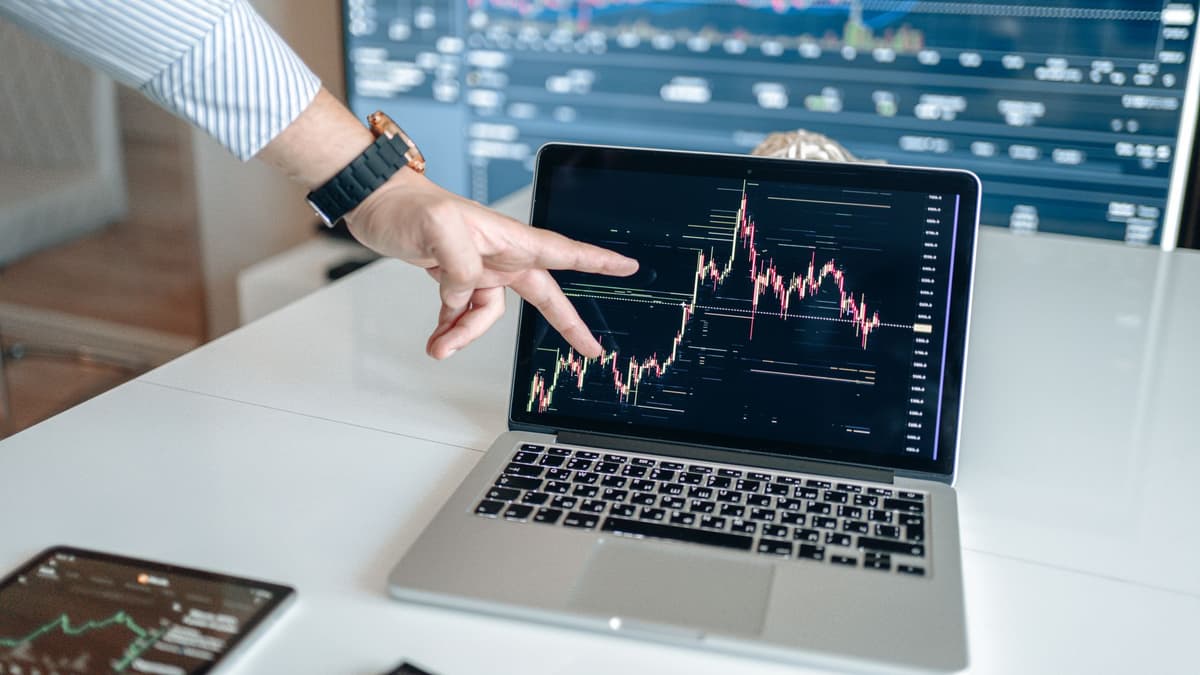
On-chain analysis in 2026 relies on verifying the permanence of liquidity pools, identifying whale wallet clusters, and cross-referencing holder distribution against supply metrics. By auditing these three pillars using block explorers, market participants can distinguish between sustainable projects and high-risk setups.
This article is for educational purposes only. It is not financial advice, and it is not a buy signal.
The Anatomy of an On-Chain Audit
Modern token analysis requires moving beyond surface-level price charts. In 2026, the proliferation of AI-managed liquidity and permissionless launchpads means that technical verification is the primary defense for any market participant. When evaluating a new token, you must look at how the contract interacts with the ecosystem.
1. Liquidity Pool (LP) Verification
The health of a token is defined by its liquidity. If the LP is not locked or if the creator retains the ability to pull funds, the risk profile changes significantly. You should prioritize tokens where liquidity is programmatically locked or managed by recognized protocols.
1. Check the liquidity provider address on the block explorer.
2. Confirm if the liquidity tokens are burnt or held in a time-locked smart contract.
3. Analyze the ratio of the token to the paired asset like SOL or stablecoins to ensure the pool is deep enough to handle standard buy/sell pressure.
2. Holder Concentration Metrics
High concentration is not inherently malicious, but it requires context. A project where the top ten wallets hold 80% of the supply is fundamentally different from one where ownership is distributed across thousands of independent addresses.
| Concentration Metric | Risk Implication |
|---|---|
| Top 10 > 50% | High risk of sudden price volatility |
| Top 10 < 20% | Generally healthier distribution |
| Team/Dev wallets | Verify if these are subject to vesting schedules |
Use your preferred block explorer to view the 'Holders' tab. Look for clusters of wallets that were funded from the same source address simultaneously, as this often indicates a single entity operating multiple wallets to simulate volume.
3. Whale Tracking and Cluster Analysis
Whale tracking is about identifying patterns, not just copying moves. In 2026, many high-frequency wallets are actually automated scripts or arbitrage bots.
- Identify the largest holders who are not identified as contract addresses or exchange hot wallets.
- Observe their transaction history. Are they accumulating, or are they consistently offloading to liquidity providers?
- Check for 'wash trading' patterns where the same address buys and sells in the same block to create artificial volume.
FAQ
How can I tell if a wallet is an arbitrage bot rather than a human investor?
Arbitrage bots typically execute multiple identical transactions within single blocks, often buying and selling the same token for a tiny profit in a single transaction path. If a wallet shows thousands of transactions with near-zero duration between entry and exit, it is almost certainly a bot.
What does it mean if a token has a high percentage of liquidity on a decentralized exchange?
It generally indicates higher accessibility and lower slippage for participants. However, always verify that the liquidity is not 'rented' or temporary, as some projects use short-term incentives to attract liquidity that exits as soon as the incentives end.
Final Thoughts on On-Chain Hygiene
Always verify the contract source code if it is published. While most retail participants do not read Solidity or Rust directly, checking if the contract has been interacted with by known security-auditing addresses is a standard baseline. Never trust a token simply because it shows high volume; volume can be synthesized. Focus on the permanence of the liquidity and the dispersion of the holder base to form a clearer picture of the token’s lifecycle.
Related posts in On-Chain & Whale Tracking
- On-Chain & Whale Tracking
Solana Rug Pull 2026: Identifying On-Chain Red Flags in New Token Launches
Learn to identify Solana rug pull indicators in 2026. Master on-chain analysis of liquidity, wallet clusters, and token distribution to protect your capital.
Memelogs
- On-Chain & Whale Tracking
On-Chain Accumulation: How Whales Position Before Market Narratives Heat Up
Learn how to track whale accumulation patterns on-chain using block explorers and data analytics to identify early positioning before market shifts occur.
Memelogs
- On-Chain & Whale Tracking
Token Playbook 2026: Analyzing Solana Wallets, Liquidity, and Concentration
Master the 2026 Solana playbook. Learn how to audit whale wallets, verify liquidity lock status, and interpret holder concentration for smarter on-chain…