
Token Playbook 2026: Analyzing Solana Wallets, Liquidity, and Concentration
Master the 2026 Solana playbook. Learn how to audit whale wallets, verify liquidity lock status, and interpret holder concentration for smarter on-chain…

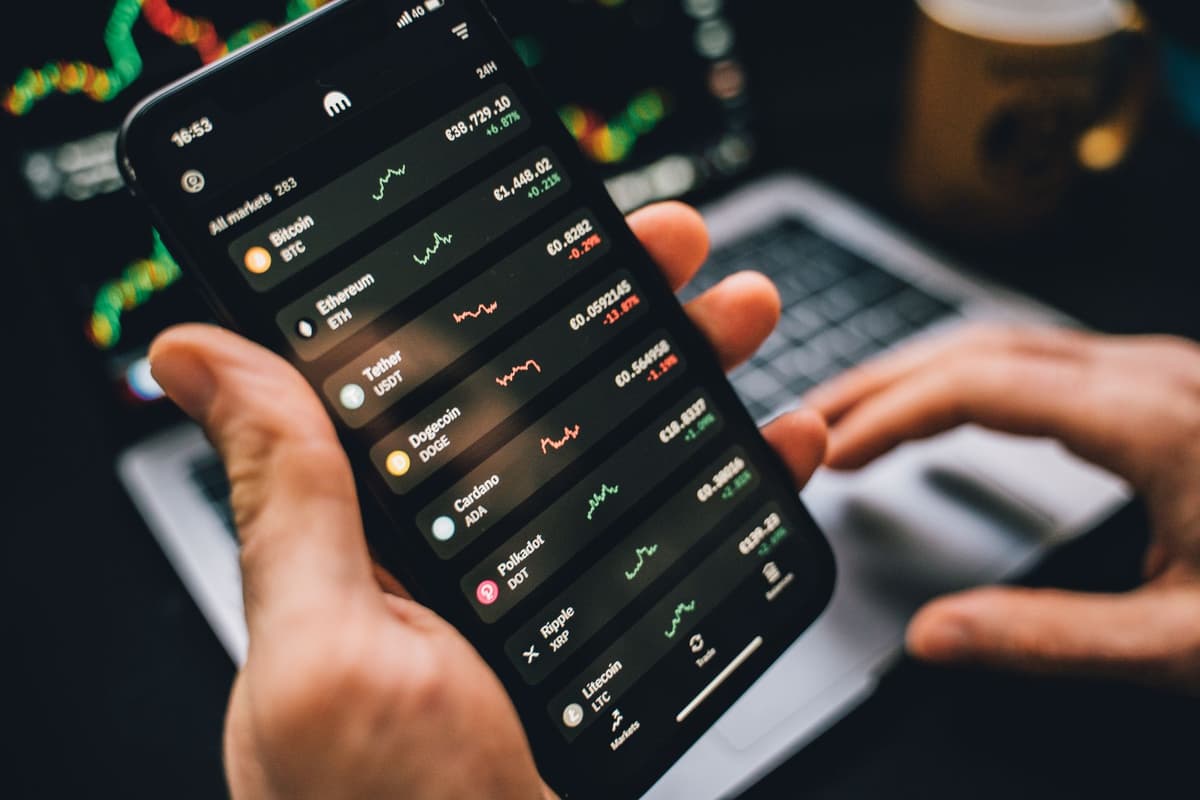
Analyzing token health in 2026 requires a focus on liquidity lock duration, wallet clustering to detect bundle activity, and supply distribution metrics. By verifying that a high percentage of supply is staked or locked, participants can better assess the structural integrity of a project beyond simple price action.
The Anatomy of an On-Chain Audit
In the current market, raw price data is the least reliable indicator of project longevity. Sophisticated participants now rely on structural audits of the tokenomics and the distribution patterns of the initial supply. This is not financial advice, nor is it a signal to buy or sell any specific asset.
1. Identifying Whale Clusters
Whale tracking has evolved from watching single addresses to identifying clusters of wallets acting in unison. When a project launches, observe if the top holders are using centralized exchange (CEX) deposit addresses or if the supply is distributed across thousands of independent, non-custodial wallets. Bundled activity—where dozens of wallets receive funding from a single source within seconds of a liquidity pool opening—is a primary indicator of tactical manipulation.
1. Check the funding source of the top 20 holders.
2. Flag wallets that share a common transaction history or funding pattern.
3. Monitor for large sell-offs that coincide with price volatility.
2. Liquidity Pool (LP) Integrity
Liquidity is the backbone of any memecoin. A robust token playbook in 2026 mandates a deep dive into the LP configuration. A simple 'locked' status is no longer sufficient; you must verify the duration and the mechanism. Long-term timelocks are the industry standard for demonstrating commitment to project longevity. If the LP is not locked or the timelock is insufficient, the risk of a sudden withdrawal increases significantly.
| Metric | Significance |
|---|---|
| Timelock Duration | Indicates developer commitment horizon |
| LP Ownership | Confirms if keys are burned or held by a contract |
| Staking Participation | Higher staking rates often signal long-term holding patterns |
3. Holder Concentration and Staking
With approximately 67.67% of the Solana supply currently staked, retail participants should view staking yield as a proxy for ecosystem health. When evaluating a new token, look at the ratio of staked supply versus liquid supply. High holder concentration in a few wallets is not always a negative, but it requires scrutiny. If the top holders are team-associated, check the vesting schedule.
1. Use block explorers to view the top 100 token holders.
2. Calculate the percentage of supply held by the top 10 addresses.
3. Compare the circulating supply to the staked supply to determine liquidity depth.
FAQ
How do I differentiate between a whale and a project treasury?
Project treasuries often exhibit predictable, multi-sig wallet patterns and long-term holding behavior. Whales, by contrast, frequently move capital to exchanges or rotate between trending assets. Use an on-chain explorer to check the transaction history of the wallet in question; treasury wallets usually interact with governance or staking contracts rather than daily trading venues.
What does a high staking percentage tell me about a token?
In the 2026 ecosystem, a high staking rate suggests that the community is incentivized to hold the asset rather than flip it. It often correlates with lower sell pressure, as a significant portion of the supply is locked in validator or project-specific staking modules. Always confirm if the staking yield is sustainable or if it is heavily diluted by inflationary emissions.
Final Considerations
On-chain intelligence is a tool for risk management, not a crystal ball. Every action taken on-chain is visible, but the intent behind those actions requires careful interpretation. Focus on the data, verify the locks, and monitor the concentration of supply to maintain a clear view of the market landscape. This content is for educational purposes only and does not constitute financial advice.
Related posts in On-Chain & Whale Tracking
- On-Chain & Whale Tracking
On-Chain Accumulation: How Whales Position Before Market Narratives Heat Up
Learn how to track whale accumulation patterns on-chain using block explorers and data analytics to identify early positioning before market shifts occur.
Memelogs
- On-Chain & Whale Tracking
Decoding Bonding Curve Metrics: A 2026 Guide to Solana Memecoin Analytics
Master the art of reading on-chain bonding curve metrics on Solana. Learn how to identify liquidity progress and whale accumulation before a memecoin moves.
Memelogs
- On-Chain & Whale Tracking
Token Playbook 2026: Evaluating Wallets, Liquidity, and Holder Concentration
Master memecoin on-chain analysis in 2026. Learn how to verify liquidity, track whale wallets, and assess holder concentration to navigate Solana markets…