
Altcoin Playbook 2026: On-Chain Wallet Tracking and Liquidity Essentials
Master the fundamentals of on-chain analysis in 2026. Learn how to audit Solana wallet clusters, verify liquidity pools, and monitor whale accumulation trends.

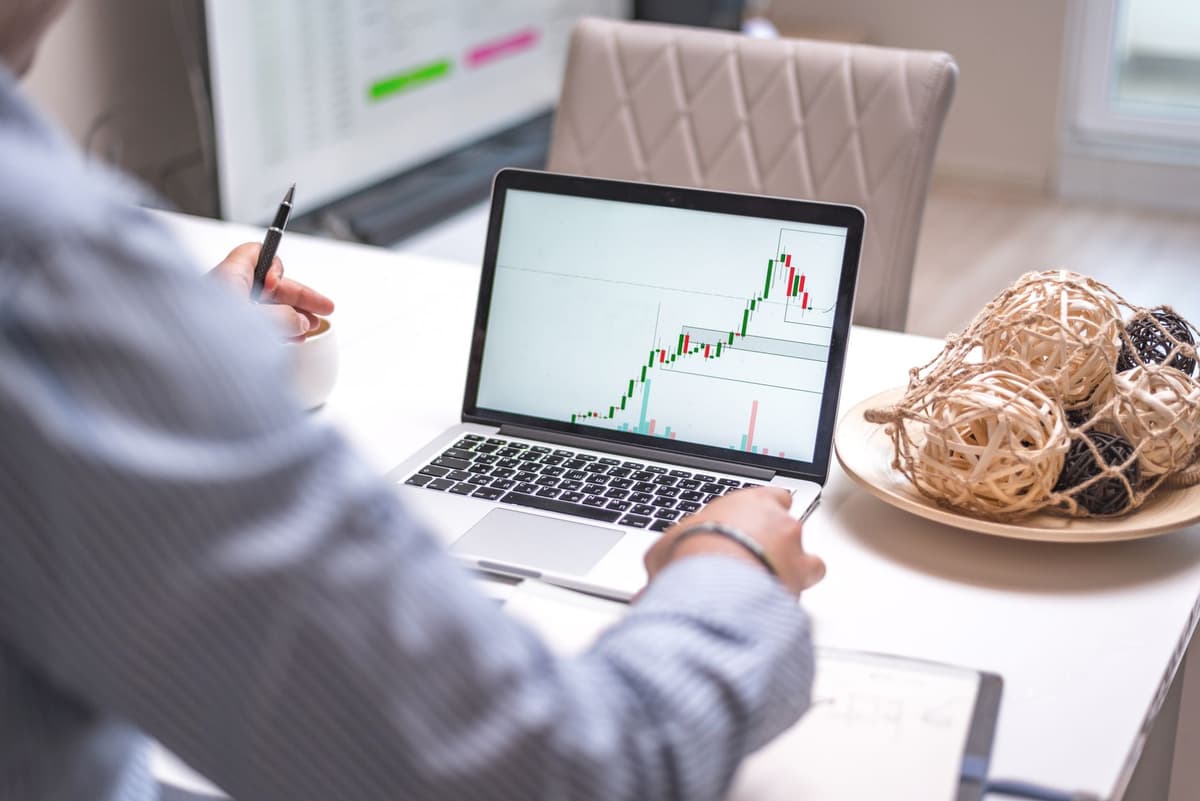
To navigate the 2026 altcoin landscape, you must verify the health of liquidity pools and cluster whale wallet activity to distinguish between organic accumulation and wash trading. This approach focuses on technical auditability of smart contracts and historical wallet movement rather than speculative sentiment.
The 2026 On-Chain Reality
In the current market, the barrier to entry for launching new assets has vanished, making the ability to filter noise from signal a mandatory skill. With Solana DEX volume reaching massive scales in 2025 and continuing to grow into 2026, the sheer volume of data can be overwhelming. Investors are moving away from hype-based participation toward infrastructure-focused due diligence.
Core Audit Metrics
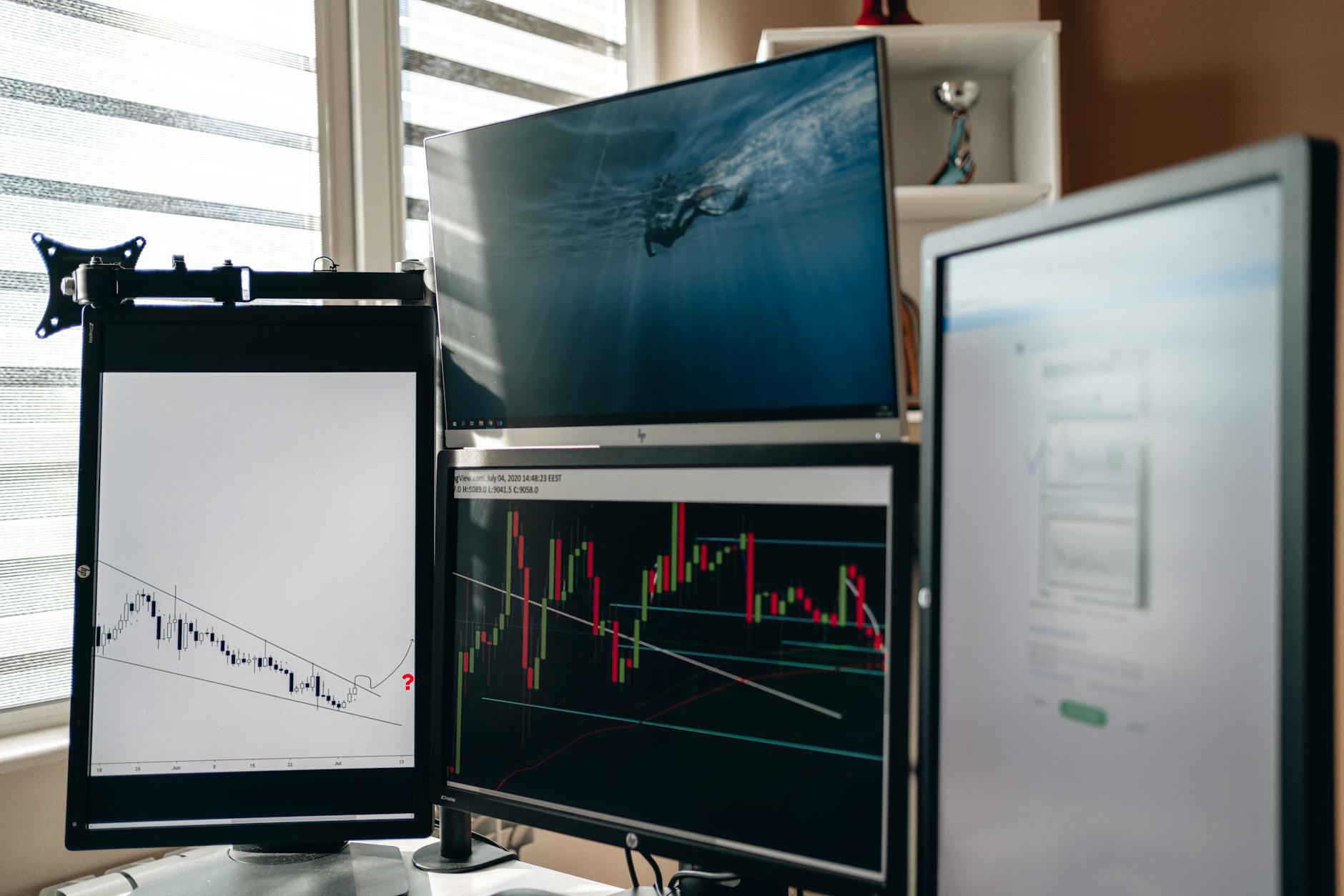
When evaluating a token, your focus should remain on the permanence of liquidity and the distribution of ownership. High volume is meaningless if the liquidity pool is shallow or easily removable. Advanced participants now prioritize auditability, ensuring that token supply is not concentrated in a single, unmonitored "treasury" wallet.
1. Analyze Liquidity Pool (LP) Structure
- Use a block explorer to identify the liquidity pool contract address.
- Check if the LP tokens are burned or time-locked in a smart contract.
- Verify the ratio of the native asset to the liquidity pair to ensure there is enough depth to absorb standard market fluctuations.
- Look for the absence of "mint" functions that allow the creator to dilute supply after launch.
2. Interpret Wallet Concentrations
- Review the token holder list on a block explorer to identify the top ten wallets.
- Calculate the percentage of supply held by these top holders; anything exceeding 30-40% typically indicates high risk of price manipulation.
- Identify if any of these top wallets are labeled as known exchange addresses or contract deployment addresses.
- Cross-reference these wallets against historical "whale" behaviors, such as consistent accumulation patterns of 10 or more SOL.
Monitoring Whale Movements
Whale tracking is often misunderstood as a way to copy trades, but it is better utilized as a risk-management tool. In 2026, we observe that major market participants are increasingly consolidating their positions into secure, enterprise-grade, or self-custody wallet infrastructure. When you see consistent accumulation, it is rarely a impulsive decision; it is often a strategic hedge or a long-term position build.
| Indicator | Low Risk Signal | High Risk Signal |
|---|---|---|
| Liquidity | Burned or Locked | Removable by Deployer |
| Holder Distribution | Decentralized (High Count) | Centralized (Top 3 > 50%) |
| Whale Activity | Slow Accumulation | Rapid Dumping/Swapping |
| Smart Contract | Audited / Verified | Hidden Logic / Unverified |
Identifying Red Flags
Beyond basic metrics, watch for patterns that suggest artificial volume. If a token shows high volume but the number of unique wallets remains stagnant, it is likely a sign of automated wash trading. Furthermore, if the top holders are all wallets that were funded from the same origin address within a short timeframe, it is a clear indicator of a coordinated effort to simulate interest.
FAQ
Is tracking whale wallets a reliable indicator for market direction?
Tracking whale wallets provides insight into where capital is flowing, but it is not a predictive mechanism for price. Whales often use complex strategies, including hedging, which may not be visible on a basic block explorer. Use this data as a secondary layer of confirmation rather than a primary decision-making tool.
What makes a wallet secure for tracking purposes?
In 2026, security is defined by the ability to manage assets with clear audit trails and cold-storage integration. When you observe whales, you are looking at institutional-grade infrastructure that prioritizes the separation of hot and cold assets. If you are tracking these movements, ensure your own infrastructure allows for clear visibility without exposing your private keys to third-party dashboards.
What this is NOT
This guide is for educational purposes only. It is not financial advice, nor does it constitute a buy signal or a recommendation to interact with any specific token. On-chain data is transparent but can be manipulated; always conduct your own research and verify all data points through multiple independent sources before making any decisions.
Related posts in On-Chain & Whale Tracking
- On-Chain & Whale Tracking
Solana Liquidity Migration: Tracking Whale Patterns on DEXs in 2026
Master the art of tracking liquidity shifts on Solana. Learn how to monitor whale movements and DEX migration patterns to better understand on-chain data.
Memelogs
- On-Chain & Whale Tracking
On-Chain Whale Tracking: Detecting Early Accumulation Patterns in 2026
Master the art of tracking whale wallet behavior to identify early accumulation trends before they heat up. Learn how to monitor on-chain flows like a pro.
Memelogs
- On-Chain & Whale Tracking
Tracking Whale Wallets: A Practical Workflow for Solana Market Analysis 2026
Learn how to monitor Solana whale activity through on-chain analysis. Master the workflow of tracking accumulation and liquidity shifts without copy-trading.