
Stop-Loss 2026: The Critical Gap Between Your Strategy and Your Story
Learn to distinguish between a functional trading plan and the emotional stories you tell yourself after a loss in the high-stakes 2026 Solana market.

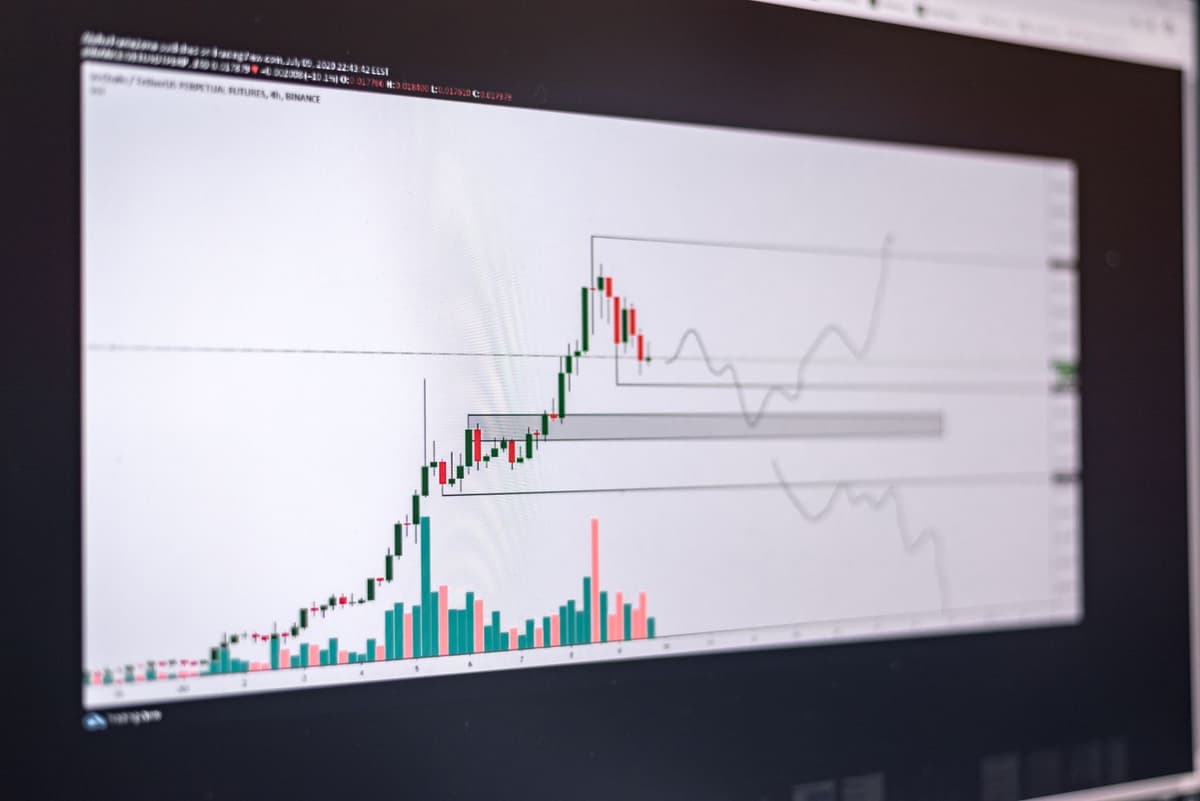
A trading plan is a documented set of objective parameters for entry, risk management, and exit, whereas a story is a post-hoc rationalization used to soothe the ego after a stop-loss is triggered. In the professionalized 2026 Solana landscape, the ability to separate these two is the primary factor determining long-term survival for market participants.
The Evolution of the Arena
By mid-2026, the Solana ecosystem has matured into a sophisticated, high-speed economy. The days of casual retail participation have effectively ended, replaced by AI-driven agents and highly disciplined market participants. When you hit a stop-loss today, you are rarely competing against random chance; you are competing against infrastructure optimized for efficiency.
When a trade fails, your brain immediately seeks to restore its internal narrative of competence. This is where the "story" begins. You might tell yourself, "The market was manipulated," or "I would have won if the liquidity didn't drop." These stories are dangerous because they feel like analysis, but they are actually defense mechanisms. They prevent you from seeing the flaw in your execution or the misalignment between your thesis and the current on-chain reality.
The Anatomy of a Plan vs.
A Story
The Plan
A plan is created before the capital is deployed. It is cold, binary, and devoid of hope. It dictates:
- The specific on-chain indicators confirming the rotation.
- The exact risk percentage relative to total portfolio value.
- The pre-defined exit point, regardless of how "promising" the token looks at the moment of failure.
The Story
A story is created after the capital is lost. It is warm, narrative, and heavy with justification. It sounds like:
- "I just needed five more minutes for the community sentiment to flip."
- "The chart looked perfect, it was just bad timing."
- "I’ll just hold this through the dip because the project has long-term potential."
Journaling as a Reality Check
To move from telling stories to executing plans, you must journal with surgical precision. If your journal entry for a loss is just a vent about how the market treated you, you are writing fiction. A professional journal entry focuses on the divergence between the plan and the outcome.
1. Thesis documentation
State exactly why you entered. Was it a rotation trend? A specific catalyst? Write this before the trade.
2. Size and Risk
Define the maximum loss you were willing to accept, not what you hoped to gain.
3. Emotional State
Before clicking buy, rate your composure. If you feel FOMO, that is not part of the plan; it is the beginning of a story.
4. The Exit Rule
Explicitly state the condition that triggers the stop-loss. If you don't have one, you don't have a plan.
5. The Outcome vs.
The Expectation
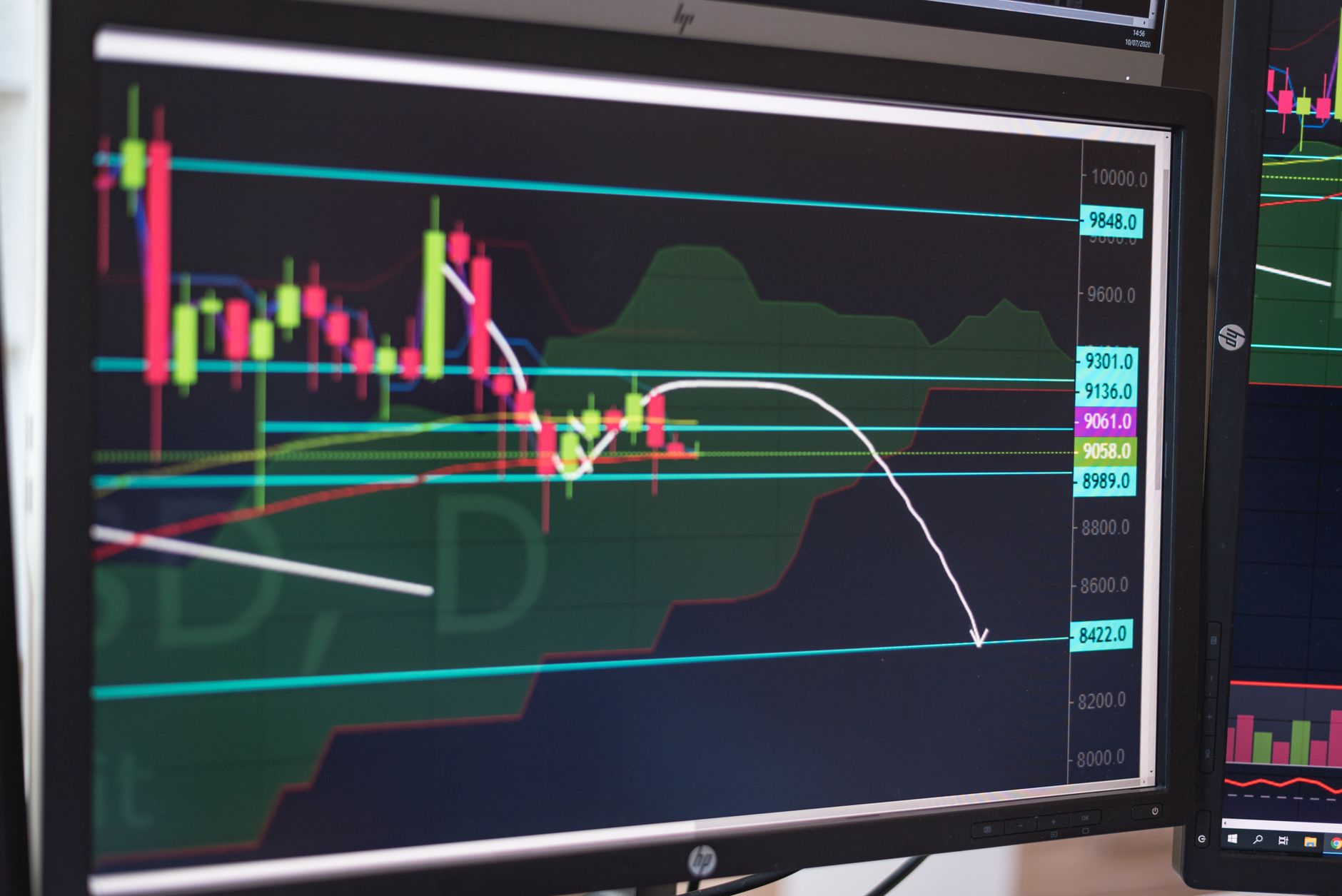
When the stop-loss hits, compare the reality to your thesis. Did the technicals break? Did the on-chain activity shift? If the answer is 'no' but you still lost, your plan needs adjustment. If the answer is 'yes' and you exited, you followed the plan.
FAQ
Is it possible to survive the 2026 Solana market without a formal journal?
No. The speed and complexity of the current memecoin economy, characterized by AI-driven competition and rapid cycle rotations, make it nearly impossible to maintain the necessary discipline without a written record of your decision-making process.
How do I know if I am telling myself a story?
If your explanation for a loss involves external blame, such as 'market manipulation' or 'bad luck,' rather than a breakdown in your specific entry or exit criteria, you are telling yourself a story to protect your ego rather than analyzing your process.
Risk Disclaimer
Trading memecoins involves extreme volatility and high risk of capital loss. The Solana ecosystem is a fast-moving, competitive environment where market conditions change rapidly. The insights provided here are for educational purposes regarding decision-making and journaling habits and do not constitute financial, investment, or legal advice. Always conduct your own research and never trade money you cannot afford to lose.
Related posts in Memecoin Market Analysis
- Memecoin Market Analysis
The Danger of the Win: Journaling Habits for 2026 Memecoin Success
A big win in the memecoin market can be more dangerous than a loss. Learn how to journal your wins to stay disciplined and avoid costly mistakes in 2026.
Memelogs
- Memecoin Market Analysis
Revenge Trading: How a $6.7 Billion Ecosystem Collapse Destroyed My Capital in 2026
Discover how the 2026 Solana memecoin volatility led to catastrophic capital loss through revenge trading and how to rebuild your process with better habits.
Memelogs
- Memecoin Market Analysis
Memecoin Trading Post-Mortem: Lessons from the 2026 Solana Market Crash
Analyzing a memecoin loss in 2026: how a disciplined journaling process reveals emotional triggers and process gaps during the Solana market volatility.