
The Danger of the Win: Journaling Habits for 2026 Memecoin Success
A big win in the memecoin market can be more dangerous than a loss. Learn how to journal your wins to stay disciplined and avoid costly mistakes in 2026.

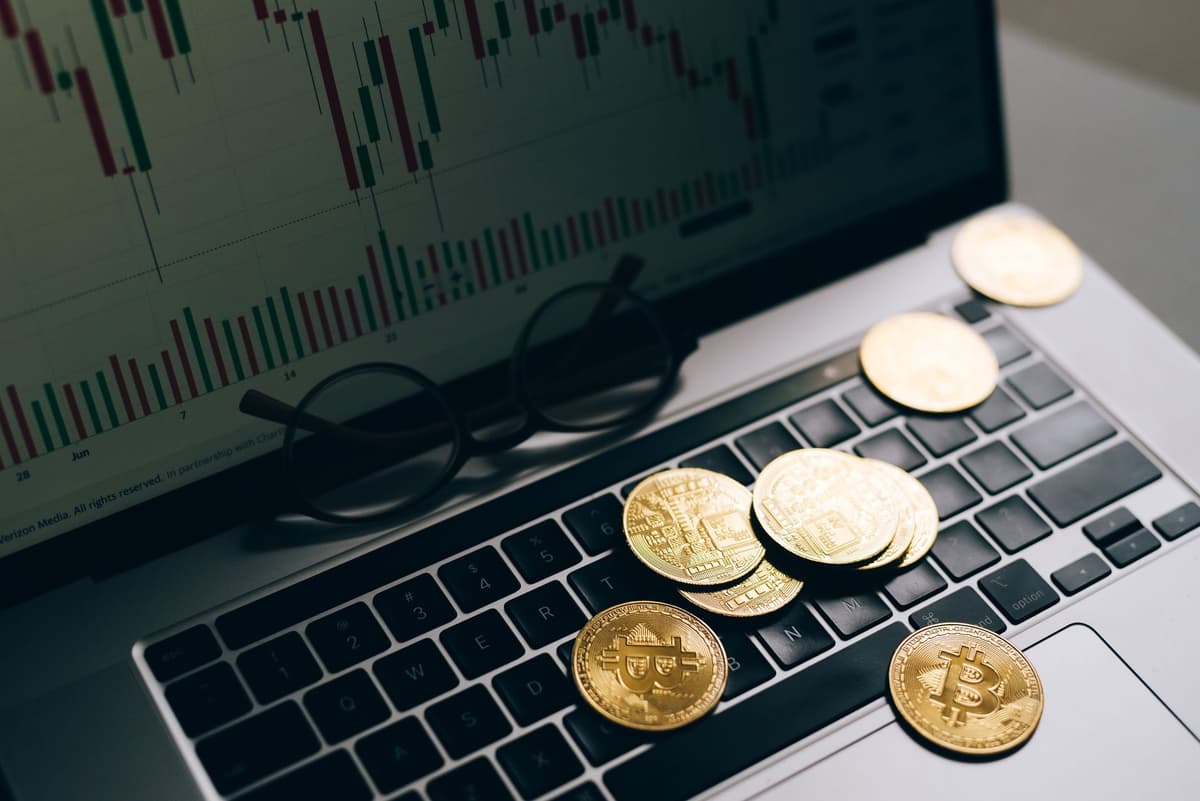
A memecoin win is dangerous because it often leads to cognitive biases like overconfidence, which can cause participants to increase position sizes recklessly or ignore risk management. Journaling after a win is essential to anchor your process in reality, separating your actual strategy from the outcome of market volatility.
The Psychology of the 'Win' Trap
In 2026, the memecoin landscape has evolved into a high-speed, AI-driven arena. When you secure a significant gain, the natural human reaction is to attribute the result to skill rather than market timing or liquidity flows. This is the moment when most market participants are at their highest risk. You may feel invincible, leading you to abandon the very rules that allowed you to succeed in the first place.
Winning often masks poor execution. If you entered a position based on a hunch rather than a defined narrative or community signal, but the coin pumped anyway, your brain reinforces the bad behavior. This is the 'luck trap.' By failing to document the gap between your intent and the market result, you set yourself up for a catastrophic reversal when the cycle inevitably rotates.
Why Your Journal is Your Only Defense
Professional participants in the modern ecosystem know that the market has no intrinsic value. It is a game of attention and cultural financialization. To survive, you must treat your journal not as a diary of feelings, but as a technical log of your decision-making architecture.
When you win, the adrenaline can cloud your ability to see the 'why.' Was the win a result of a repeatable edge, or were you simply lucky during a period of high volume? If you cannot identify the specific catalyst—whether it was a community surge, a specific marketing narrative, or a technical breakout—you haven't learned anything. You have simply collected a paycheck that you are likely to give back to the market in the next cycle.
The Post-Win Audit Template
After every successful exit, take ten minutes to fill out the following fields. Do not skip this. If you are too excited to write, you are too excited to be in the market.
1. The Thesis Audit
- What specific signal triggered my entry?
- Did the market respond to the narrative I expected, or was the move driven by an external factor I didn't foresee?

2. The Execution Log
- Did I stick to my planned exit, or did I sell early/late due to emotion?
- Was my position size appropriate for the volatility of this specific token?
3. The Emotional Snapshot
- How did I feel during the peak of the move?
- Did I feel the urge to double down or FOMO into a secondary position after the exit?
4. The Lesson
- What is one thing I would change about this trade if I could go back in time?
- Is this a repeatable strategy, or a one-off anomaly?
FAQ
Why is it common to lose more after a big winning streak?
A winning streak often leads to 'house money effect' bias, where market participants treat their gains as separate from their capital, leading to riskier bets and larger position sizing that the portfolio cannot actually support.
How can I tell if my win was skill or just luck?
If you can clearly define the entry catalyst, the risk-to-reward ratio you were targeting, and the exit criteria you followed before the trade began, it is likely skill. If you cannot explain why you entered until after the price started moving, it was likely luck.
A Note on Market Reality
It is important to remember that memecoins are highly speculative assets. They lack intrinsic value and are driven primarily by hype, community sentiment, and rapid rotation. The infrastructure of 2026 allows for lightning-fast execution, which means that rug pulls and liquidity crunches happen in seconds. No amount of journaling can eliminate the inherent risk of these assets. Never invest money you cannot afford to lose, and understand that past performance is never an indicator of future results. The goal of journaling is to manage your own behavior, not to predict the unpredictable nature of the market.
Related posts in Memecoin Market Analysis
- Memecoin Market Analysis
Stop-Loss 2026: The Critical Gap Between Your Strategy and Your Story
Learn to distinguish between a functional trading plan and the emotional stories you tell yourself after a loss in the high-stakes 2026 Solana market.
Memelogs
- Memecoin Market Analysis
Revenge Trading: How a $6.7 Billion Ecosystem Collapse Destroyed My Capital in 2026
Discover how the 2026 Solana memecoin volatility led to catastrophic capital loss through revenge trading and how to rebuild your process with better habits.
Memelogs
- Memecoin Market Analysis
Memecoin Trading Post-Mortem: Lessons from the 2026 Solana Market Crash
Analyzing a memecoin loss in 2026: how a disciplined journaling process reveals emotional triggers and process gaps during the Solana market volatility.