
Memecoin Trading Post-Mortem: Lessons from the 2026 Solana Market Crash
Analyzing a memecoin loss in 2026: how a disciplined journaling process reveals emotional triggers and process gaps during the Solana market volatility.

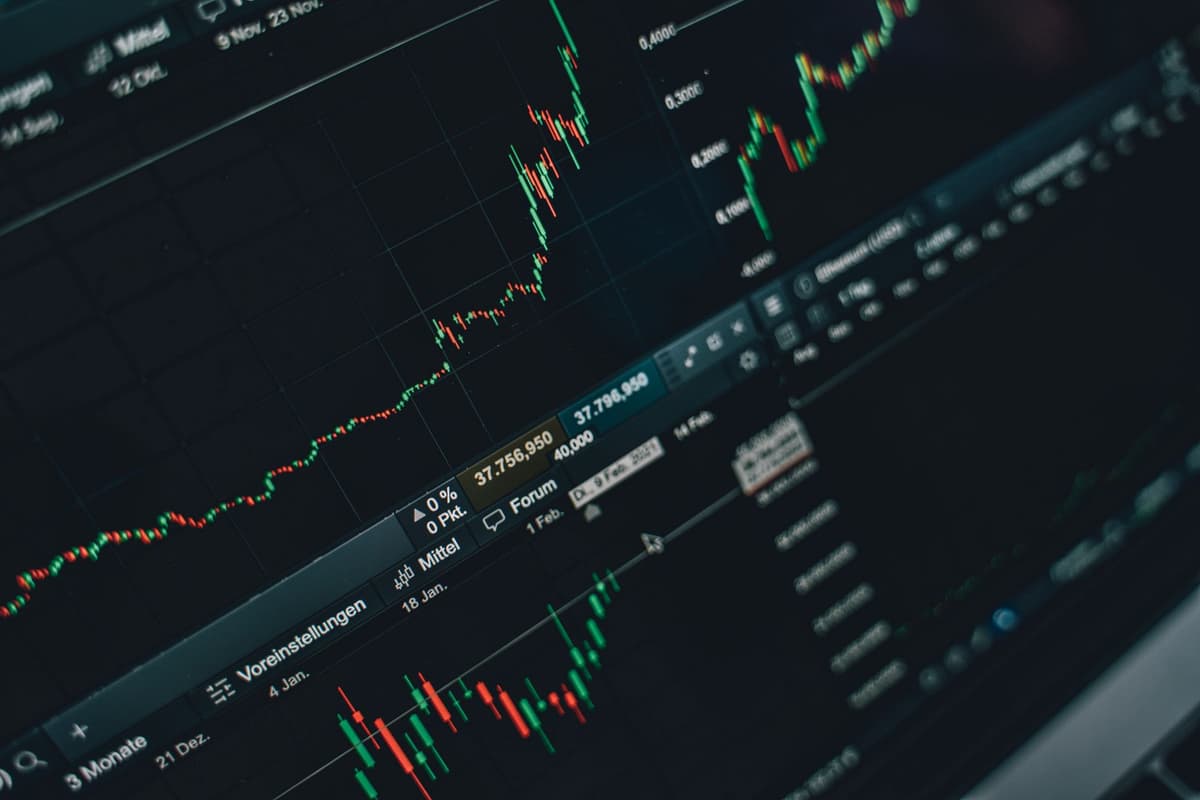
A post-mortem of a memecoin loss in 2026 requires separating market-wide volatility from individual execution errors. By auditing emotional states and thesis validity against the backdrop of the broader Solana ecosystem shift, participants can isolate repeatable behavioral mistakes from unavoidable systemic drawdowns.
The Anatomy of a 2026 Loss
Looking back at the 2026 market cycle, the volatility in memecoins was not just a numbers game; it was a psychological test. When the sector shed nearly a quarter of its value, many participants found themselves holding assets that had round-tripped from significant gains to total losses. My own journal from that period reveals that the primary failure was not the entry point, but the failure to adapt to the changing on-chain liquidity environment.
In early 2026, the Solana network became a hotbed for AI-driven agents and cultural financialization. The narrative was strong, but the market structure was fragile. When the selloff began, the speed of the decline caught many off guard. My journal entries from that week show a pattern of 'revenge holding'—the belief that because an asset had intrinsic memetic value, it was immune to the broader market liquidity crunch.
Why We Journal the Failure
The goal of a post-mortem is not to dwell on the loss of capital, but to retrieve the data hidden within the experience. In 2026, market participants often ignored the warning signs provided by on-chain metrics because the emotional attachment to the 'community' or the 'narrative' was too high. A journal acts as an objective observer when the participant is too deep in the trenches to see clearly.
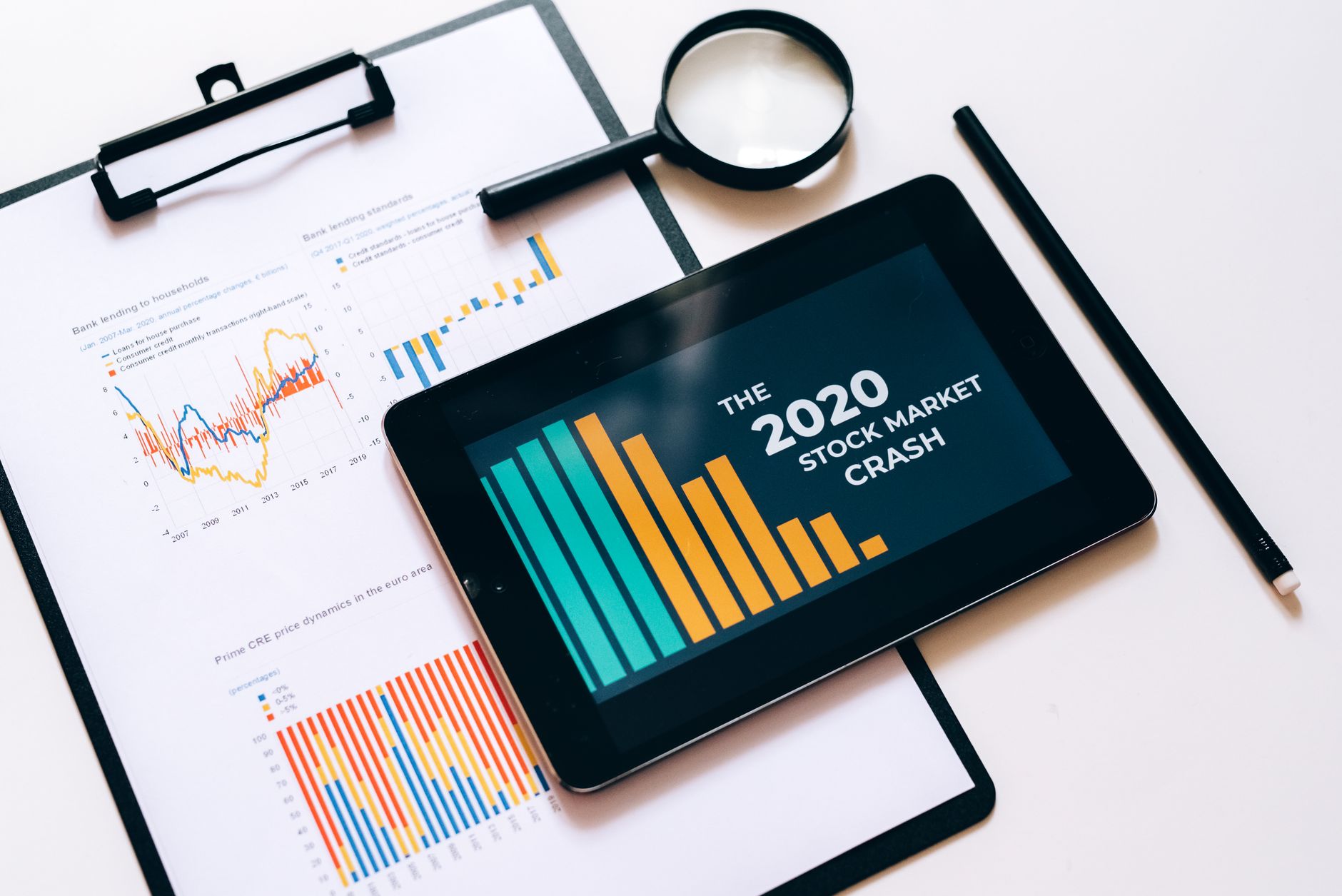
The Journaling Framework
To effectively process a loss, move beyond simply writing down the entry and exit prices. Use this structured approach to capture the behavioral data:
1. The Pre-Trade Thesis
Define exactly why you are entering. Was it a technical breakout, a social sentiment spike, or an on-chain whale movement? If you cannot write this in one sentence, you are gambling, not analyzing.
2. The Emotional Baseline
Before clicking buy, rate your composure on a scale of 1 to 5. If you are feeling 'FOMO' or 'desperation,' note it. Often, the highest losses occur when the emotional baseline is skewed by external noise from social media.
3. The Exit Rule
Define your invalidation point before the trade begins. Is it a percentage drawdown, or does it occur when a specific on-chain metric shifts? If you exit because of fear rather than your pre-defined rule, document the deviation.
4. The Outcome Audit
After the trade closes, record the result. Did the market move against your thesis, or did your execution fail? This distinction determines whether you need to adjust your strategy or your discipline.
FAQ
Did the 2026 memecoin crash prove that memetic value is unsustainable?
No. While the sector experienced a severe correction that wiped out year-to-date gains, the recovery of over $8 billion in market value suggests that memetic value remains a permanent, albeit highly volatile, pillar of modern decentralized finance.
How can I distinguish between a bad trade and a bad market?
A bad trade is a failure to follow your own rules or a misinterpretation of data. A bad market is a systemic event, such as the 2026 Solana selloff, where liquidity dries up across the board. If your journal shows you were following your process but the entire market moved against your position, the issue is market-wide risk exposure rather than your individual skill.
Risk Awareness and Responsibility
Trading memecoins involves extreme risk and high volatility. The market dynamics in 2026 demonstrated that assets can lose significant value in very short timeframes. No journaling process can guarantee a profit or prevent capital loss. All participants should only engage with funds they are prepared to lose entirely. The insights provided here are for educational purposes regarding process management and should not be interpreted as financial advice or a recommendation to enter any specific position.
Related posts in Memecoin Market Analysis
- Memecoin Market Analysis
Revenge Trading: How a $6.7 Billion Ecosystem Collapse Destroyed My Capital in 2026
Discover how the 2026 Solana memecoin volatility led to catastrophic capital loss through revenge trading and how to rebuild your process with better habits.
Memelogs
- Memecoin Market Analysis
Solana Price 2026: Navigating Market Volatility and Institutional Trends
Analyze the 2026 Solana market landscape, institutional trends, and why building a disciplined trading journal is your best defense against market volatility.
Memelogs
- Memecoin Market Analysis
Trading Plans vs. Post-Entry Narratives: Lessons from the 2026 Memecoin Market
Learn the vital difference between a structured memecoin trading plan and the stories you tell yourself after an entry to justify emotional decisions.