
Trading Plans vs. Post-Entry Narratives: Lessons from the 2026 Memecoin Market
Learn the vital difference between a structured memecoin trading plan and the stories you tell yourself after an entry to justify emotional decisions.

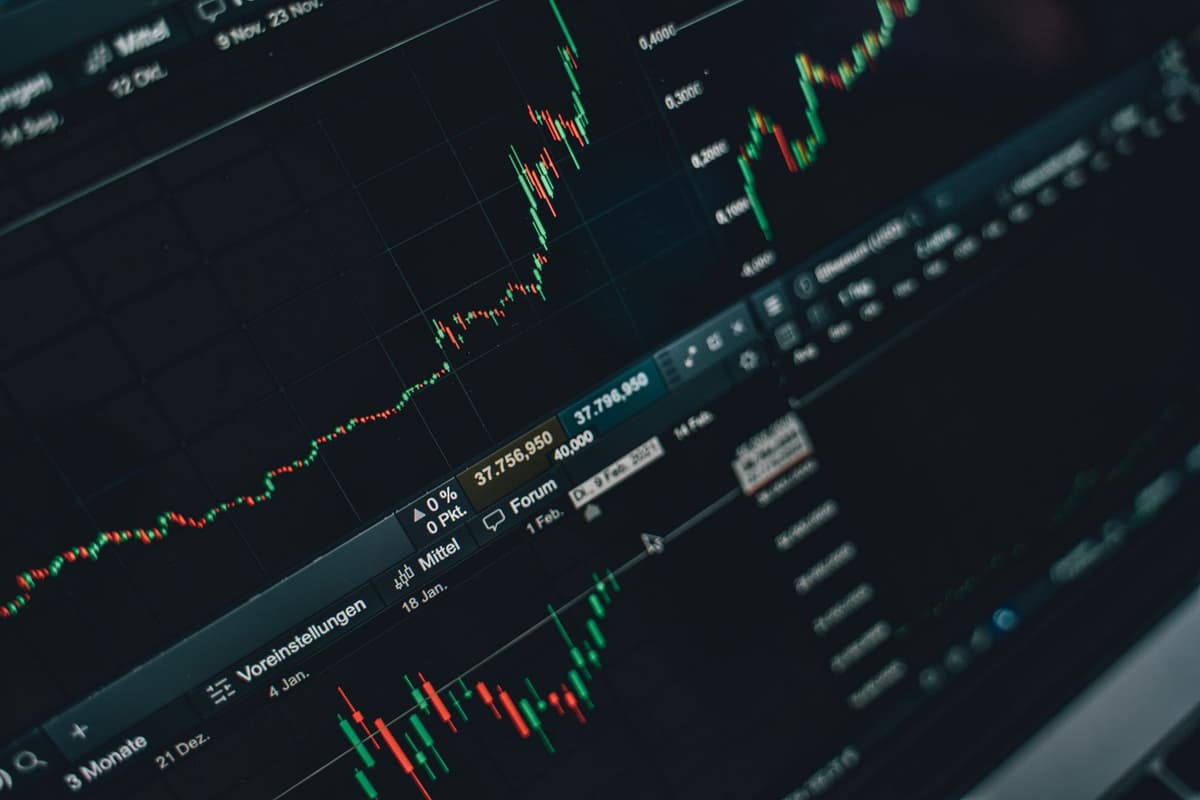
A trading plan is a predefined set of rules covering entry triggers, risk thresholds, and exit conditions established before capital is deployed. A story is a post-hoc rationalization created after the fact to justify emotional decisions, often emerging when a participant feels the sting of a market move that contradicts their original thesis.
The Psychology of the Post-Entry Narrative
In the high-speed environment of the 2026 Solana ecosystem, the barrier between execution and impulse has effectively vanished. With sophisticated automated tools and AI-driven agents managing liquidity, the speed of market rotation is relentless. When you enter a position, you are either operating from a place of cold, calculated architecture or a place of reactive noise.
The "story" usually begins the moment the trade goes against you. It sounds like: "The community is just shaking out weak hands," or "This is just a temporary dip before the next leg up." These narratives are seductive because they alleviate the immediate psychological pain of being wrong. They allow you to maintain your identity as a smart participant while ignoring the reality of the market data.
The Architecture of a Real Plan
A plan is devoid of hope. It does not care about the "potential" of a token or the sentiment of a specific Telegram group. In 2026, where Solana has become the primary hub for cultural financialization, your plan must account for the reality of high-volatility cycles. A robust plan requires you to define your parameters before the transaction is signed on-chain.
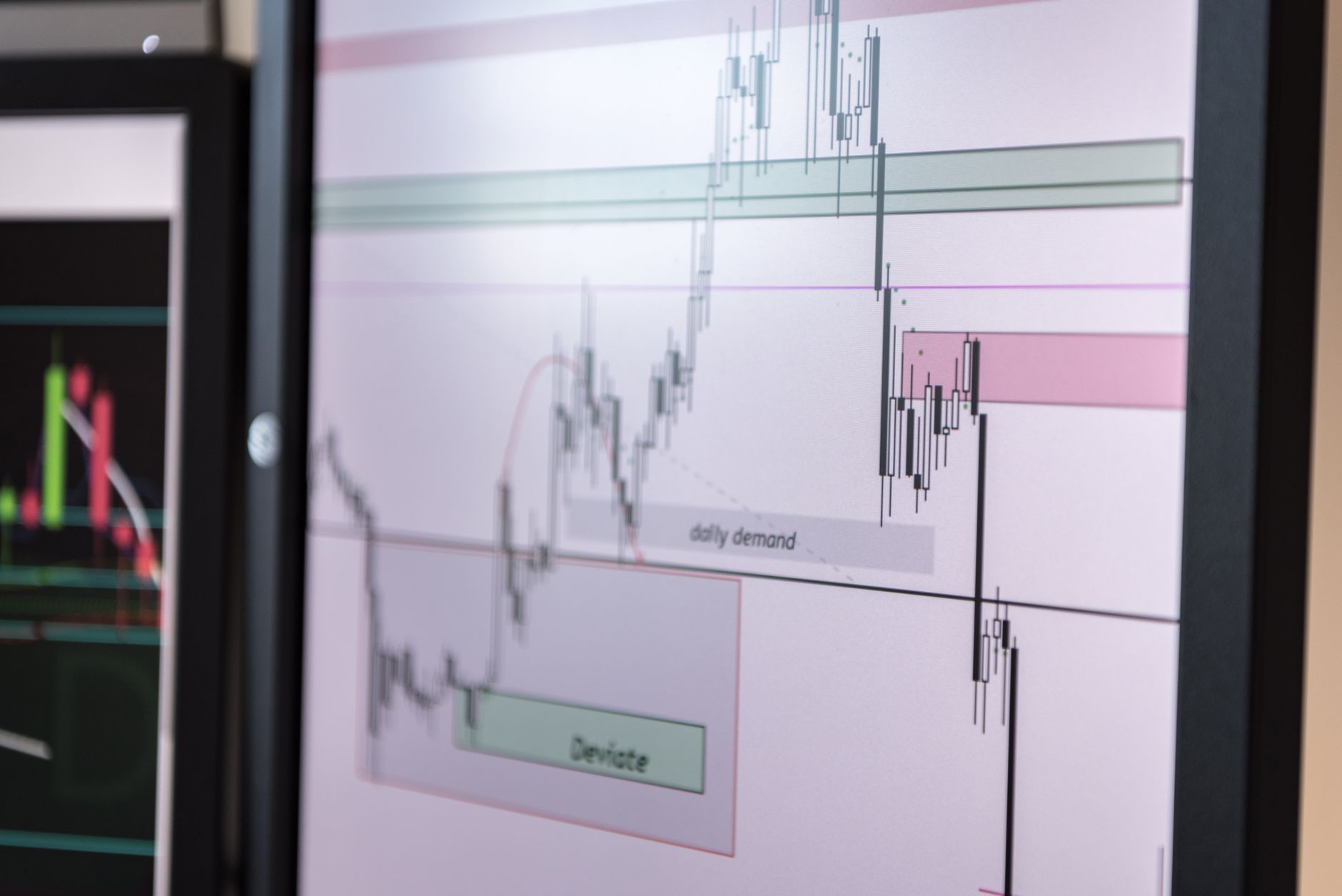
Essential Logging Fields for Every Entry
To bridge the gap between intent and outcome, you must maintain a journal that tracks more than just PnL. Include these fields for every significant interaction:
- Thesis: Why are you entering? Is it a technical breakout, a specific volume catalyst, or a shift in community engagement?
- Size: What percentage of your portfolio is at risk, and why this specific amount?
- Emotion: How are you feeling at the moment of execution? Are you excited, anxious, or bored?
- Exit Rule: At what point is the thesis invalidated? This must be defined before the entry.
- Outcome: What actually happened compared to the thesis?
- Lesson: What behavioral flaw or market insight did this reveal?
1. Define the thesis in writing before committing funds.
2. Pre-set your exit orders or mental stop-loss levels based on market structure, not your desired profit.
3. Record your emotional state to identify patterns of overtrading or fear.
4. Review the outcome against the original thesis once the position is closed.
FAQ
How can I distinguish between a valid market insight and a post-entry story?
A valid insight is based on empirical data—such as liquidity quality, on-chain volume shifts, or clear catalyst potential—that you documented before entering. A story is a narrative you construct after the trade is open to rationalize why you are holding a losing position longer than your initial rules dictated.
Why is journaling critical in the 2026 market climate?
The Solana ecosystem is a high-speed landscape where cultural trends move faster than traditional market analysis. Journaling forces you to slow down and confront your behavioral biases. By documenting your process, you move from being a passive participant who gets swept up in narratives to an active architect who understands their own decision-making cycle.
Risk Disclaimer
Trading digital assets and memecoins involves extreme volatility and a high risk of loss. The information provided here is for educational purposes only and does not constitute financial advice. All market participants should conduct their own research and never trade with capital they cannot afford to lose. Historical performance in the crypto market is not indicative of future results, and decentralized finance carries inherent risks including smart contract failure and liquidity depletion.
Related posts in Memecoin Market Analysis
- Memecoin Market Analysis
Solana Price 2026: Navigating Market Volatility and Institutional Trends
Analyze the 2026 Solana market landscape, institutional trends, and why building a disciplined trading journal is your best defense against market volatility.
Memelogs
- Memecoin Market Analysis
Memecoin Wins: Why Your Best Trades Are Often Your Most Dangerous Lessons
A winning trade in the memecoin market can be more dangerous than a loss. Learn how to journal your success to avoid common traps and sustain growth in 2026.
Memelogs
- Memecoin Market Analysis
Trade Post-Mortem: What My Journal Revealed About a 2026 Crypto Loss
Analyzing a memecoin loss in 2026 requires more than chart review. Learn how to audit your emotional state and market thesis to improve your trading process.