
Overnight Narrative Shifts: Solana’s 2026 Shift Toward Institutional Infrastructure
Navigating the volatile Solana landscape in 2026. We break down the decoupling of memecoin hype from institutional adoption and how to track the shift.


Solana is currently undergoing a structural pivot where the memecoin-driven velocity of early 2026 is being challenged by institutional-grade adoption narratives, such as ETF speculation and infrastructure scaling. Market participants should monitor whether on-chain volume sustains the social media sentiment or if liquidity is rotating back into core network utility assets.
The Narrative Tug-of-War
The current market environment is defined by a sharp dichotomy. On one side, we have the high-velocity, low-conviction memecoin sector that thrives on rapid social media engagement and viral cycles. On the other, the growing institutional interest—highlighted by large-scale financial entities filing for Solana-based investment vehicles—is attempting to anchor the network as a legitimate competitor to legacy infrastructure.
Today, the dominant theme is the institutional push. We are seeing a distinct shift in discourse from purely speculative assets to the underlying scalability of the Solana ecosystem. However, the skepticism remains high among active market participants. While social media channels are buzzing with institutional adoption headlines, the on-chain data tells a more nuanced story. Volume spikes in memecoins have not yet fully migrated to infrastructure-linked tokens, suggesting that the "institutional" narrative is currently more of a sentiment play than a realized capital migration.
On-Chain Reality Check
When we look at the data, the disconnect becomes clear. Sentiment models parsing real-time social activity show a massive surge in mentions regarding institutional adoption, yet wallet concentration in core network assets remains relatively stable. This suggests that while the "narrative" is being sold, the "liquidity" is still trapped in the high-volatility, lower-cap segments of the market.
- Social sentiment: Heavily skewed toward institutional growth and ETF anticipation.
- On-chain volume: Concentrated in high-beta memecoin assets rather than infrastructure-heavy protocols.
- Whale behavior: Aggressive rotation out of stagnant projects into high-liquidity meme assets, contradicting the "long-term investor" narrative.
If the institutional narrative were truly driving the market, we would expect to see a consistent increase in liquidity depth across core DeFi protocols. Instead, we are seeing thin order books and rapid price reversals, which are hallmarks of a market driven by short-term sentiment rather than institutional accumulation.
Strategy for 2026: Managing Volatility
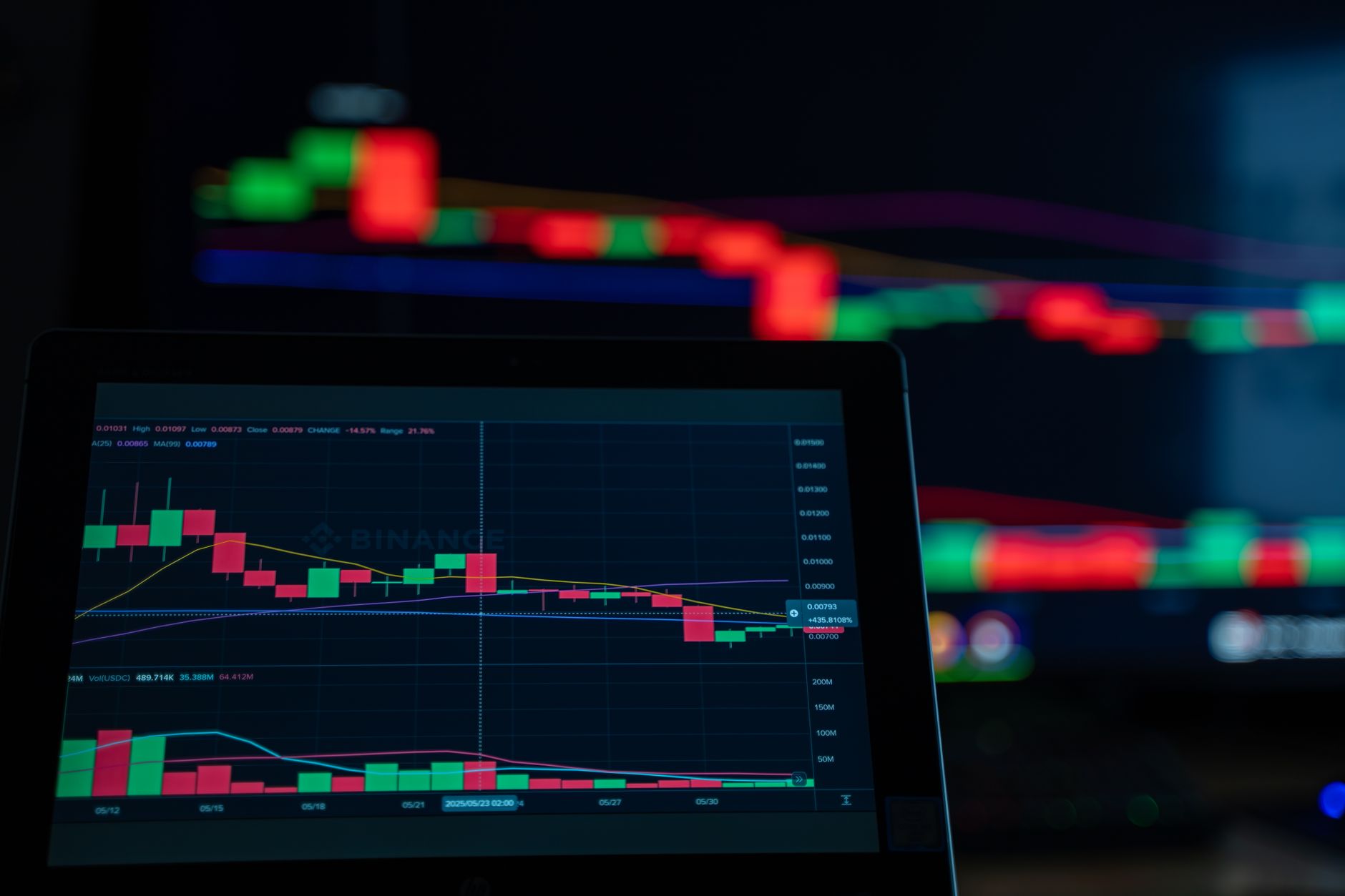
Overnight sessions are notoriously difficult to navigate in the current cycle. With reduced participation, liquidity gaps can turn a minor news event into a major price swing. As we look at the macroeconomic backdrop—specifically interest rate signals and global economic sentiment—it is clear that the crypto market is no longer moving in a vacuum.
1. Monitor Liquidity Depth
Do not rely solely on social media mentions. Check the liquidity pool depth for the assets you are tracking. If volume spikes without a corresponding increase in liquidity, the move is likely a trap.
2. Verify Whale Movements
Use on-chain tools to observe if high-net-worth addresses are accumulating during price dips or offloading into the hype.
3. Analyze Social Decay
Watch for the moment social media engagement peaks. In a narrative-driven market, the peak in social attention often precedes a sharp contraction in price action.
FAQ
Is the shift toward institutional adoption a guarantee of price stability?
No. Institutional narratives often act as a volatility multiplier. While they bring more capital into the ecosystem, they also introduce players who react sharply to macroeconomic data and geopolitical shifts, which can lead to abrupt liquidity withdrawals during the overnight sessions.
How can I distinguish between a genuine narrative shift and a pump-and-dump cycle?
Focus on the relationship between volume and social traction. A genuine narrative shift is usually accompanied by a sustained increase in organic on-chain activity and wallet diversification. A manufactured pump typically shows high social volume but stagnant or declining unique wallet counts and shallow liquidity pools.
Watchlist for Tomorrow
- Keep an eye on the divergence between social sentiment spikes and actual on-chain transaction volume for infrastructure tokens.
- Monitor the overnight liquidity levels in major Solana-based DEXs as a proxy for market health.
- Observe if the current "institutional" discourse holds up during the European trading window or if it fades as the market resets for the domestic session.
Related posts in Trading Psychology & Journaling
- Trading Psychology & Journaling
MemeLogs Daily Recap: Solana DEX Volume Divergence and 2026 Risk Flags
Tracking the 2026 Solana memecoin landscape: Analyze the $2B PumpFun volume milestone against a 20% DEX decline and why caution is the only winning strategy.
Memelogs
- Trading Psychology & Journaling
MemeLogs: Navigating 2026 Narrative Shifts and Emotional Shorting Cycles
Analyze the latest shift toward emotional shorting and Solana momentum. Learn how to reconcile social narratives with on-chain data for your 2026 watchlist.
Memelogs
- Trading Psychology & Journaling
On-Chain Volume 2026: The Solana Liquidity Shift and Narrative Reality
Analyzing the 2026 on-chain volume shift as Solana overtakes traditional exchanges. We break down the decoupling of social narratives from real liquidity.