
On-Chain Volume 2026: The Solana Liquidity Shift and Narrative Reality
Analyzing the 2026 on-chain volume shift as Solana overtakes traditional exchanges. We break down the decoupling of social narratives from real liquidity.


In 2026, the shift in market structure is undeniable as Solana's on-chain trading volume has consistently surpassed major centralized platforms like Binance and Bybit. This migration reflects a fundamental move toward decentralized execution, driven by high-throughput infrastructure and the growing dominance of meme-asset speculation over traditional order books.
The Narrative Heat Map: Today’s Pulse
Today, the market is obsessed with two primary themes: the institutionalization of Solana through pending ETF approvals and the persistent, high-velocity rotation into viral, AI-generated tokens. The narrative on social feeds suggests that we are entering a new era of 'institutional meme-finance,' where Western Union’s stablecoin integration and the U.S. CLARITY Act provide a perceived regulatory shield for retail participants.
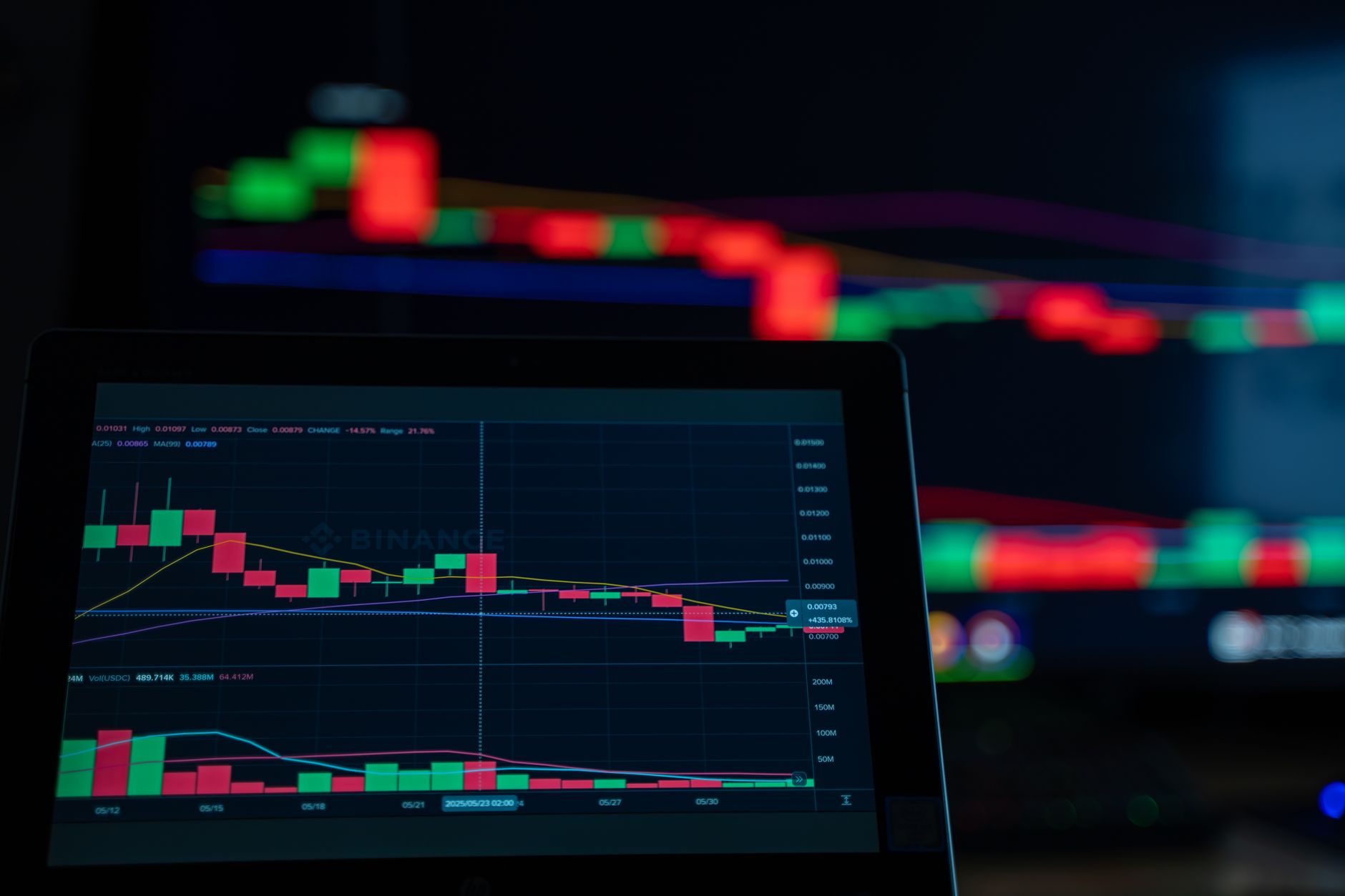
However, the on-chain data presents a more skeptical view. While social sentiment screams 'institutional adoption,' the actual volume profile suggests a high-churn environment dominated by automated sniping bots and aggressive liquidity harvesting. The narrative of 'sustainable growth' is often contradicted by the reality of short-lived token cycles, where the majority of liquidity evaporates within hours of a launch.
Volume vs.
Narrative: The Disconnect
When we look at the raw data, the volume is real, but the sustainability is questionable. Solana has effectively cannibalized the volume once reserved for centralized exchanges, but this has created a new set of risks. Market participants are no longer just fighting against other humans; they are competing against highly sophisticated AI-driven volume bots that simulate organic activity.
- The shift from centralized to decentralized volume is structural, not cyclical.
- On-chain volume is often inflated by automated sniping infrastructure.
- Regulatory headlines are being used to justify volatility rather than provide actual security.
Retail participants often mistake high volume for high conviction. In reality, modern on-chain volume is frequently a byproduct of efficient, low-fee infrastructure that allows for thousands of micro-transactions per second, rather than a genuine influx of long-term capital. When you see a massive spike in volume for a new, unverified token, it is rarely a sign of institutional interest; it is usually a sign of a high-speed bot battle.
FAQ
Why is Solana volume currently higher than centralized exchange volume?
Solana’s infrastructure offers lower fees and superior throughput, which allows for rapid, high-frequency trading of memecoins that would be prohibitively expensive to execute on slower chains or centralized order books that lack the same breadth of speculative assets.
Does institutional interest mean lower volatility for Solana-based assets?
No. While institutional interest is rising due to potential ETFs and stablecoin integrations, the memecoin sector remains inherently volatile. Institutional participation often focuses on the underlying chain infrastructure rather than the day-to-day speculation of individual viral tokens, meaning the retail-led volatility in the memecoin space remains largely decoupled from institutional inflows.
Managing the Intraday Shift
Memecoin narratives in 2026 have a half-life measured in hours. What is considered a 'blue chip' meme at 9:00 AM can be completely abandoned by 3:00 PM. The primary utility for today's market participant is not prediction, but rather the ability to observe where the liquidity is actually landing before it leaves.
1. Monitor the DEX-to-CEX migration
Focus on whether volume is staying on-chain or flowing back to centralized platforms. When volume shifts back to CEXs, it often indicates a cooling-off period for the most speculative assets.
2. Verify volume authenticity
Use on-chain tools to distinguish between organic trading activity and bot-driven wash volume. If a token's volume is concentrated in a few wallets, the narrative of 'community growth' is likely manufactured.
3. Watchlist for tomorrow
Observe the stability of current high-volume leaders against the broader Solana ecosystem. If the top-tier assets fail to hold their support levels despite high volume, expect a broad rotation into lower-cap, higher-risk assets as speculators hunt for the next narrative shift.
Remember, in the current 2026 landscape, liquidity is as fleeting as the social media posts that drive it. Stay skeptical of the headlines and trust the execution data.
Related posts in Trading Psychology & Journaling
- Trading Psychology & Journaling
Overnight Narrative Shifts: Solana’s 2026 Shift Toward Institutional Infrastructure
Navigating the volatile Solana landscape in 2026. We break down the decoupling of memecoin hype from institutional adoption and how to track the shift.
Memelogs
- Trading Psychology & Journaling
MemeLogs Daily Recap: Solana DEX Volume Divergence and 2026 Risk Flags
Tracking the 2026 Solana memecoin landscape: Analyze the $2B PumpFun volume milestone against a 20% DEX decline and why caution is the only winning strategy.
Memelogs
- Trading Psychology & Journaling
MemeLogs: Navigating 2026 Narrative Shifts and Emotional Shorting Cycles
Analyze the latest shift toward emotional shorting and Solana momentum. Learn how to reconcile social narratives with on-chain data for your 2026 watchlist.