
Solana Memecoin Market 2026: The Shift from PumpSwap Dominance
Analyzing the 2026 Solana memecoin landscape: A $1.2B volume surge, the rise of letsBONK.fun, and why liquidity shifts demand a skeptical approach to trading.

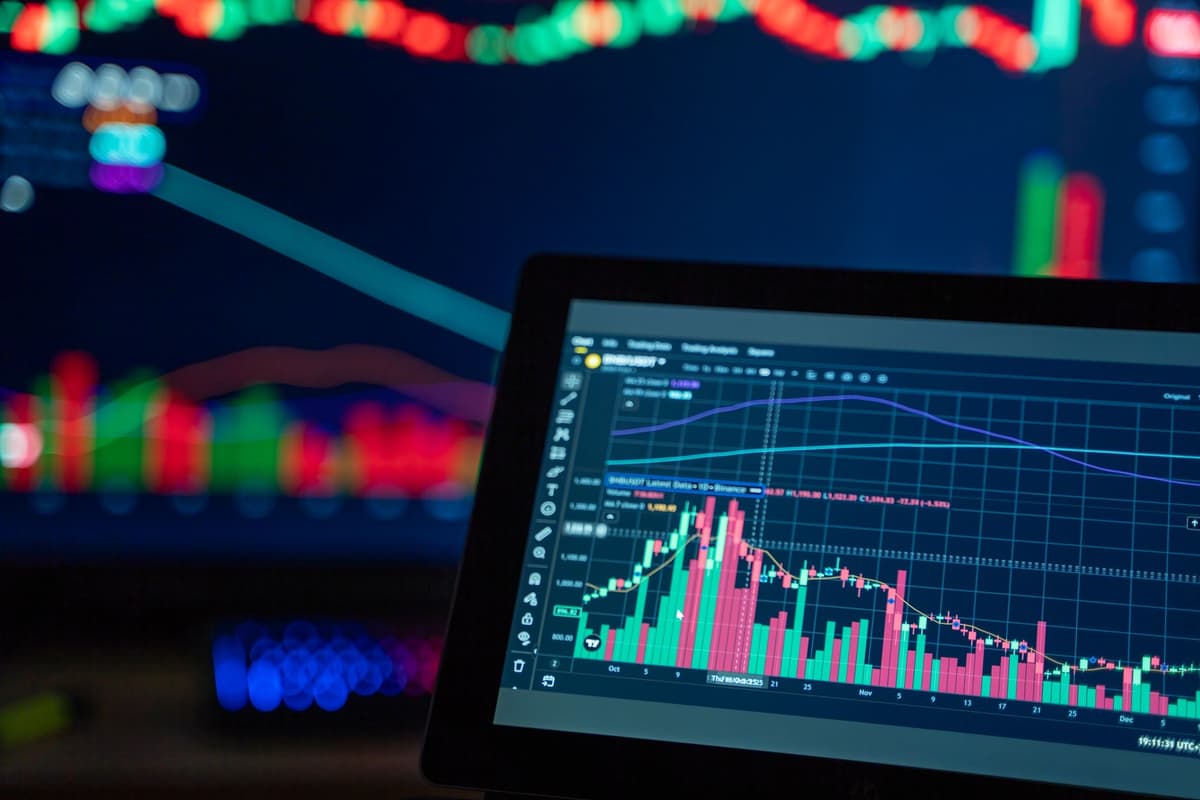
The Solana memecoin ecosystem is currently undergoing a structural pivot as trading volumes hit a massive $1.2 billion daily high. While the Pump ecosystem has historically held the reins, emerging platforms like letsBONK.fun are aggressively cannibalizing market share, suggesting that liquidity is no longer as centralized as it was in previous quarters.
The Current Landscape: A $1.2B Reality Check
The most recent data indicates that Solana’s memecoin sector is seeing intense, high-velocity activity. A daily volume of $1.2 billion is not just a number; it represents a period of extreme turnover where retail participants are cycling through assets at a rapid pace. When we look at the architecture of this movement, it is clear that the "memecoin comeback" narrative is being driven by a combination of platform competition and automated liquidity flow.
However, we must remain skeptical. High volume often masks the reality of "wash trading" or simulated activity. When platforms see sudden spikes in activity, it is rarely organic across the board. The on-chain data confirms that while the volume is real, the distribution of that volume is shifting toward newer launchpads that offer lower barriers to entry or different incentive structures for liquidity providers.
Narrative vs.
On-Chain Reality
For weeks, the narrative has been that the Pump ecosystem is the only game in town. The market consensus was that liquidity would remain locked within a single primary hub. On-chain metrics, however, tell a different story. We are seeing a 25% decline in the dominance of the primary incumbent, directly correlated with the rise of letsBONK.fun.
This is a classic case of narrative lag. Social media sentiment often clings to the "established" winner long after the on-chain volume has migrated elsewhere. As a market participant, you have to decide if you are trading the sentiment or the actual flow of funds. The volume is moving to where the new incentives are, regardless of what the loudest voices on the timeline are suggesting.
The Mechanics of Market Fragmentation
1. Shift in Platform Dominance
- Monitor the erosion of market share among legacy launchpads.
- Observe the migration of volume to newer, more aggressive platforms.
- Track whether this fragmentation increases or decreases overall market volatility.
2. Evaluating Volume Authenticity
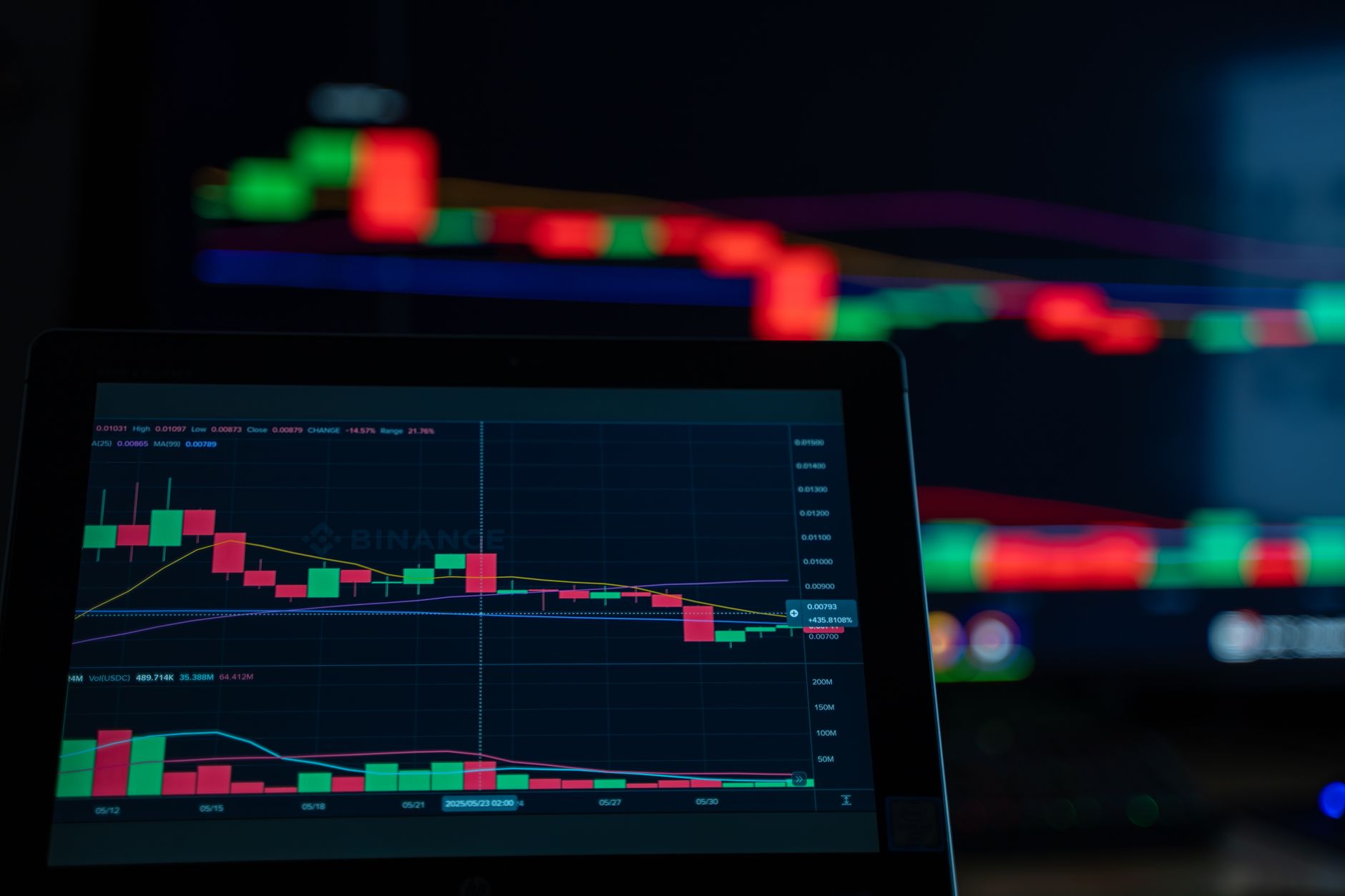
- Check for sustained liquidity pools rather than momentary spikes.
- Look for diverse wallet participation rather than concentrated trading patterns.
- Identify if volume is consistent throughout the session or clustered in short, artificial bursts.
FAQ
Is the recent $1.2 billion volume spike sustainable for the long term?
History suggests that these bursts of activity are cyclical and prone to rapid cooling. While the current momentum is strong, it is highly sensitive to shifts in market sentiment and the availability of fresh liquidity. Expect this volume to fluctuate as traders rotate out of tired themes.
Why is the market share of established platforms like Pump.fun declining?
Competition is the primary driver. Newer platforms like letsBONK.fun are capturing market share by offering alternative launchpad experiences and potentially different fee structures that attract early-stage liquidity. This fragmentation is a natural evolution of a mature memecoin market.
Watchlist for Tomorrow
We are not looking for specific tokens or price targets. Instead, our focus for the next session is purely structural:
- Watch the gap between Pump ecosystem volume and the new competition. Does the gap continue to widen, or does the incumbent claw back its share?
- Observe the speed of rotation. If themes are dying within hours, the market is over-leveraged and prone to a "liquidity trap" where exit liquidity becomes scarce.
- Monitor the consistency of on-chain volume. If the $1.2 billion figure drops significantly, pay close attention to which assets lose their bid first, as this often signals the end of the current trend.
Remember: In this market, the narrative you hear is usually two steps behind the data you see on-chain. Stay objective, watch the flow, and do not get married to any single platform or theme.
Related posts in Trading Psychology & Journaling
- Trading Psychology & Journaling
Solana Sentiment Divergence: When Social Noise Outpaces On-Chain Volume in 2026
Solana sentiment has hit a 2026 peak as trading volume bottoms out. Explore how this divergence shapes market perception and what it means for your portfolio.
Memelogs
- Trading Psychology & Journaling
Solana Memecoin Narrative Review: 2026 Market Dynamics and Volume Shifts
Analyzing the 2026 Solana memecoin landscape. We track how viral trends like PENGUIN impact market volume and why narrative-driven rotation defines the cycle.
Memelogs
- Trading Psychology & Journaling
Solana Liquidity Rotation: Decoding the $39.3M ETF Inflow vs. Sentiment Peak
Solana liquidity shifts as $39.3M enters via ETFs while social sentiment hits 2026 lows. Are we seeing a contrarian setup or a trap? Analyze the data.