
Tracking Smart Money Wallets on Solana: A 2026 Architectural Guide
Learn how to monitor Solana smart money wallets by analyzing on-chain data, liquidity flows, and transaction patterns to sharpen your market insight.

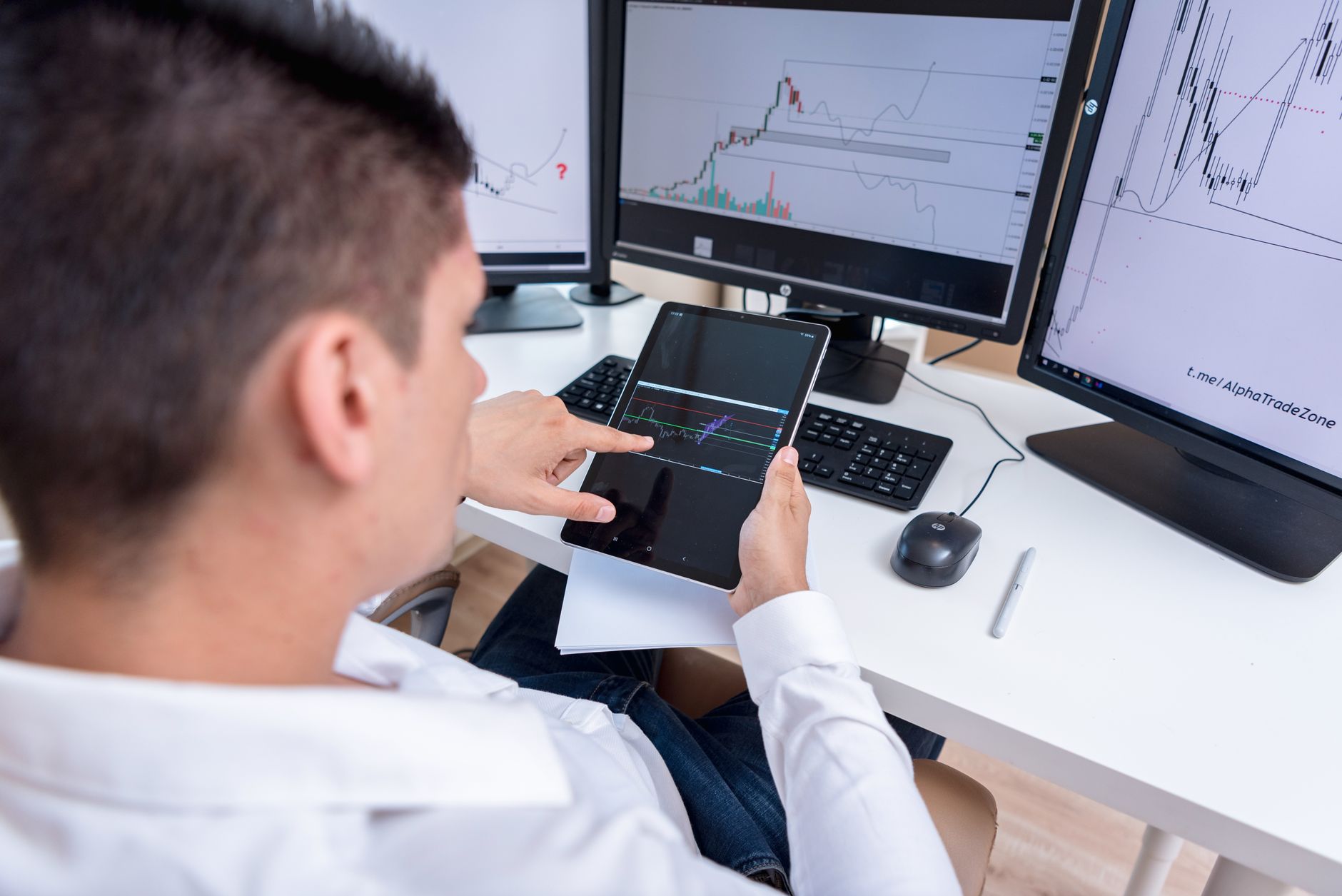
Tracking smart money on Solana involves building a real-time data pipeline to monitor high-conviction wallets and liquidity shifts. By filtering on-chain activity through granular criteria like transaction frequency and PnL performance, participants can identify signal from noise in a high-velocity environment.
Understanding the On-Chain Signal
In 2026, the Solana network remains a high-velocity environment where information latency is the primary barrier to effective analysis. Smart money tracking is not about finding a magic indicator; it is about establishing a workflow that monitors specific actors who consistently interact with liquidity at early stages. This requires moving beyond simple wallet watching and into interpreting the intent behind on-chain movements.
What this is NOT: This is not financial advice, not a buy signal, and definitely not a shortcut to guaranteed performance.
Building Your Tracking Workflow
Effective tracking relies on a structured approach to data. Instead of reacting to social media sentiment, focus on these technical layers.
1. Define Your Watchlist Strategy
Start by identifying clusters of wallets that exhibit high-frequency, profitable behavior. Use on-chain explorers to segment wallets based on their realized gains and their history of entering positions before liquidity migrations occur. Focus on wallets that consistently exit before significant sell-side pressure accumulates.
2. Monitor Liquidity and Bonding Curves
Watch for wallets that interact with the bonding curve at the inception of a token launch. Smart money often targets liquidity pools that are about to migrate to decentralized exchanges. Check the concentration of supply among the top ten holders to ensure that the liquidity is not solely controlled by the developer or a single entity.
3. Implement Real-Time Pipeline Checks
Use RPC-based tools to subscribe to account changes. By setting up WebSocket connections, you can receive alerts the moment a target wallet executes a swap. This allows you to observe the entry and exit points in real time rather than reviewing the data after the volatility has subsided.
4. Enrich Raw Transaction Data
Raw transaction data alone is insufficient. You must enrich this data with:
- Token metadata: Verify the contract address and supply distribution.
- DEX context: Determine which protocol is hosting the liquidity.
- Risk filters: Automatically flag wallets that show patterns of wash trading or circular volume generation.
Data Points to Monitor
| Metric | Purpose |
| :--- | :--- |
| Wallet Age | Distinguish between burner wallets and long-term actors |
| Txn Frequency | Identify automated bots versus manual execution |
| Realized PnL | Filter for wallets with historically high success rates |
| Holder Concentration | Detect early accumulation by insider clusters |
FAQ
How do I distinguish between a bot and a human smart money wallet?
Look at the transaction patterns. Bots often execute trades at exact millisecond intervals with identical gas fees. Human smart money wallets tend to exhibit more irregular timing, varied trade sizes, and often leave remnants of activity across different protocols over extended periods.
Is tracking whale wallets enough to identify trends?
No. Whales often use multiple wallets to distribute their position to avoid front-running or excessive slippage. Relying on a single whale address is often misleading. Instead, look for clusters of wallets that move in synchronization, as this suggests a coordinated strategy rather than a single individual's move.
The Reality of On-Chain Analysis
Success in observing Solana activity requires patience. The data is transparent, but it is also noisy. By focusing on the architecture of how funds move—specifically looking at how liquidity is added, how early buyers distribute tokens, and how volume is sustained—you develop a clearer picture of market health. Avoid the temptation to blindly follow activity. Always verify the contract state and the liquidity pool's status before drawing conclusions about a token's viability.
Related posts in On-Chain & Whale Tracking
- On-Chain & Whale Tracking
On-Chain Intelligence: How to Analyze Whale Wallets on Solana in 2026
Master the art of whale tracking on Solana without blind copy-trading. Learn to analyze wallet behavior, liquidity, and on-chain trends for better insights.
Memelogs
- On-Chain & Whale Tracking
Tracking Whale Accumulation: Identifying Solana Wallet Shifts in 2026
Learn how to monitor on-chain whale accumulation on Solana to identify shifting market narratives before they gain mainstream traction in 2026.
Memelogs
- On-Chain & Whale Tracking
How to Track Whale Wallets in 2026: A Non-Blind Strategy for On-Chain Analysis
Learn how to track whale wallets without blind copy-trading. Master on-chain metrics, behavioral clustering, and liquidity analysis to spot market trends.
Memelogs