
How to Track Whale Wallets in 2026: A Non-Blind Strategy for On-Chain Analysis
Learn how to track whale wallets without blind copy-trading. Master on-chain metrics, behavioral clustering, and liquidity analysis to spot market trends.

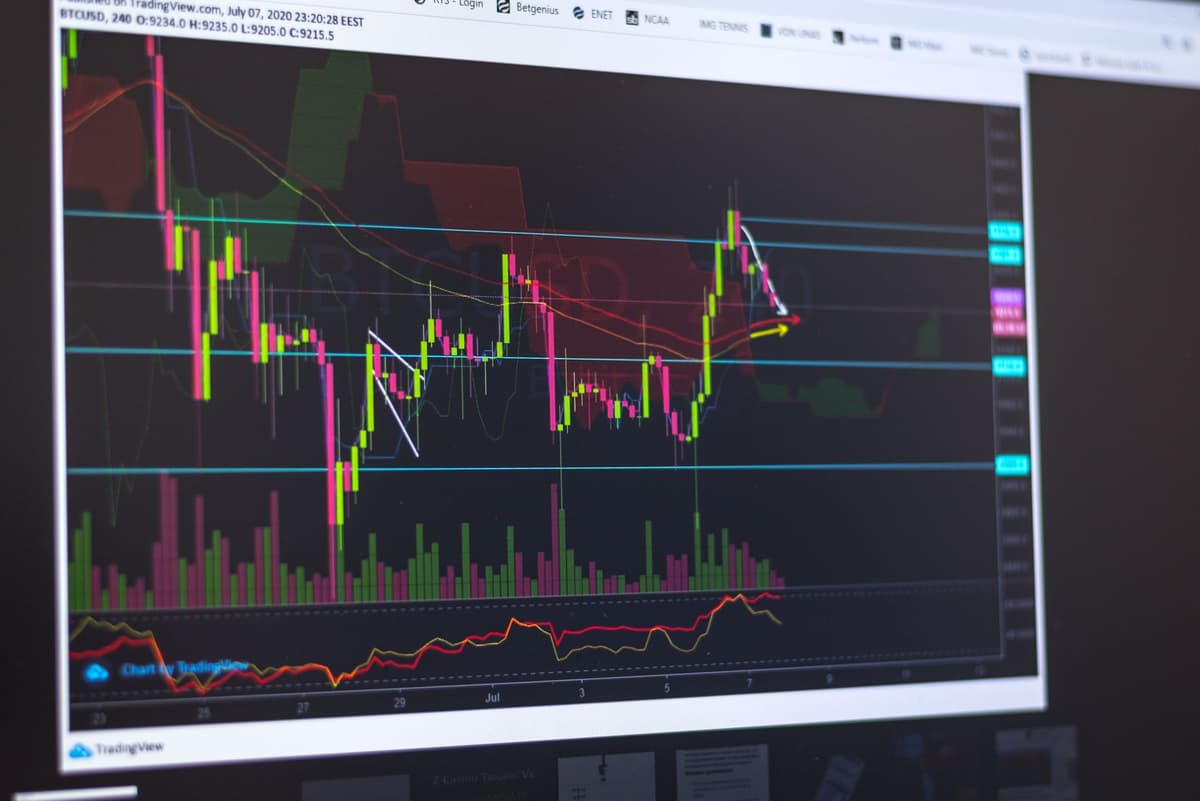
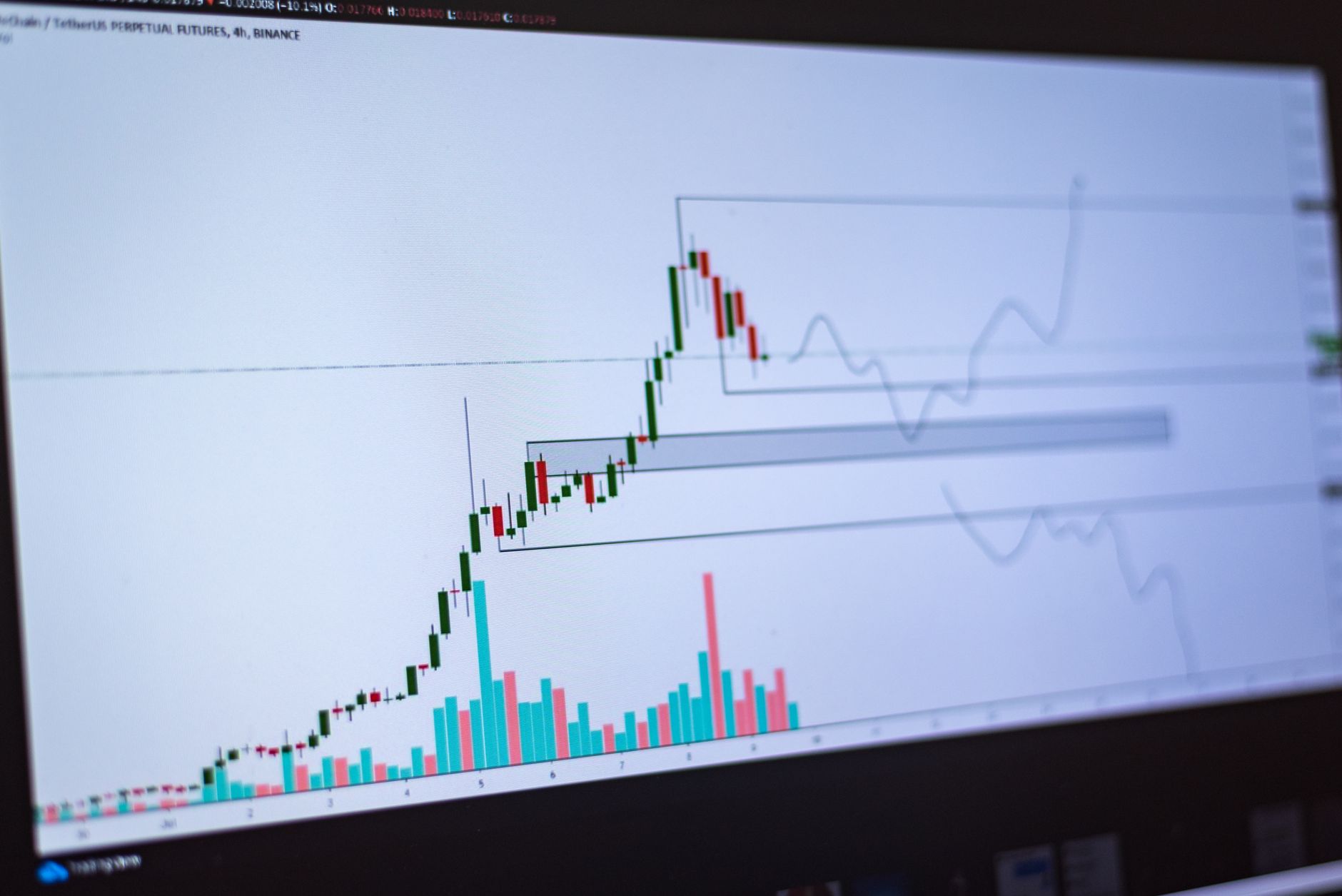
Tracking whale wallets involves monitoring large-scale on-chain movements to identify institutional behavioral patterns before they impact market liquidity. By utilizing blockchain explorers and analytical tools to filter for high-value wallet clusters and liquidity shifts, market participants can observe smart money trends rather than blindly reacting to price fluctuations.
The Philosophy of Non-Blind Tracking
Most retail participants fail when they treat wallet alerts as direct buy signals. When a large wallet moves funds, it is rarely an invitation for the public to follow; it is often a strategic reallocation of capital. To track these movements effectively in 2026, you must shift your mindset from "copy-trading" to "behavioral analysis."
True on-chain intelligence is about lead time. By the time a whale alert appears on social media platforms, the liquidity has often already been absorbed. Your goal is to build a personalized monitoring system that identifies anomalies in wallet activity before the broader market reacts.
Establishing Your On-Chain Workflow
1. Identify Target Clusters
Do not track every "large" transaction. Filter wallets based on historical consistency. Look for addresses that maintain significant positions in major assets or show repeated, profitable activity in specific liquidity pools. Use block explorers to check the age and variety of tokens held by a specific address.
2. Analyze Liquidity and Bonding Curve Activity
Whales often enter positions during the early stages of token migration. Check the LP (Liquidity Provider) tokens associated with the whale's wallet. If a whale is consistently adding liquidity to specific pools, monitor the volume-to-liquidity ratio. A sudden spike in volume without a corresponding change in the liquidity provider's position can indicate a shift in market sentiment.
3. Monitor Exchange Transfers
One of the most reliable indicators of impending market shifts is the movement of assets to centralized or decentralized exchanges. If a wallet that has been dormant or accumulating begins moving large quantities of tokens toward an exchange hot wallet, it is a signal of potential selling pressure. Conversely, moves from exchanges to private cold storage often signal long-term accumulation.
4. Apply Behavioral Clustering
Modern analytics allow for the grouping of wallets that act in concert. If five different wallets are consistently interacting with the same smart contracts or moving assets at the same time, they likely belong to a single entity or institutional desk. Tracking these clusters provides a more accurate view of true market power than watching individual addresses.
Core Metrics for Evaluation
| Metric | Purpose | Actionable Insight |
|---|---|---|
| Holder Concentration | Risk Assessment | High concentration suggests potential for sudden volatility. |
| Exchange Inflow/Outflow | Sentiment Tracking | Net inflows to exchanges often precede price suppression. |
| LP Position Age | Commitment Level | Older LP positions indicate long-term conviction. |
| Transaction Frequency | Strategy Identification | High frequency suggests bot-driven, short-term arbitrage. |
What this is NOT
This methodology is not financial advice, nor is it a source for guaranteed buy signals. On-chain data is historical and descriptive, not predictive. There is no "magic" dashboard that prevents loss; every trade carries inherent risk.
FAQ
Why does following whale alerts directly often lead to losses?
Most alerts are delayed by the time they reach social feeds, meaning the whale has already filled their position. By the time the retail market enters, they are essentially providing exit liquidity for the whale.
Can AI help in tracking whale movements?
Yes, AI models can be used to filter noise from the blockchain. By connecting to blockchain APIs, these models can run real-time monitoring to flag abnormal transaction sizes or patterns that deviate from a wallet's established historical behavior, allowing for faster processing than manual checking.
Final Considerations
Successful on-chain analysis requires patience. Instead of looking for a "next move," look for the "why" behind the move. Is the whale increasing their liquidity in a specific pool? Are they diversifying into new assets? By answering these questions, you develop a structured edge that relies on data rather than speculation. Always verify on-chain data through multiple explorers to ensure accuracy, as labels on third-party analytical platforms can occasionally be misidentified or outdated.
Related posts in On-Chain & Whale Tracking
- On-Chain & Whale Tracking
On-Chain Intelligence: How to Analyze Whale Wallets on Solana in 2026
Master the art of whale tracking on Solana without blind copy-trading. Learn to analyze wallet behavior, liquidity, and on-chain trends for better insights.
Memelogs
- On-Chain & Whale Tracking
Tracking Whale Accumulation: Identifying Solana Wallet Shifts in 2026
Learn how to monitor on-chain whale accumulation on Solana to identify shifting market narratives before they gain mainstream traction in 2026.
Memelogs
- On-Chain & Whale Tracking
Tracking Smart Money Wallets on Solana: A 2026 Architectural Guide
Learn how to monitor Solana smart money wallets by analyzing on-chain data, liquidity flows, and transaction patterns to sharpen your market insight.
Memelogs