
Solana Liquidity Migration: Tracking Whale Patterns in 2026
Master the art of tracking liquidity migration on Solana. Learn to identify whale accumulation patterns and network shifts using on-chain data in 2026.

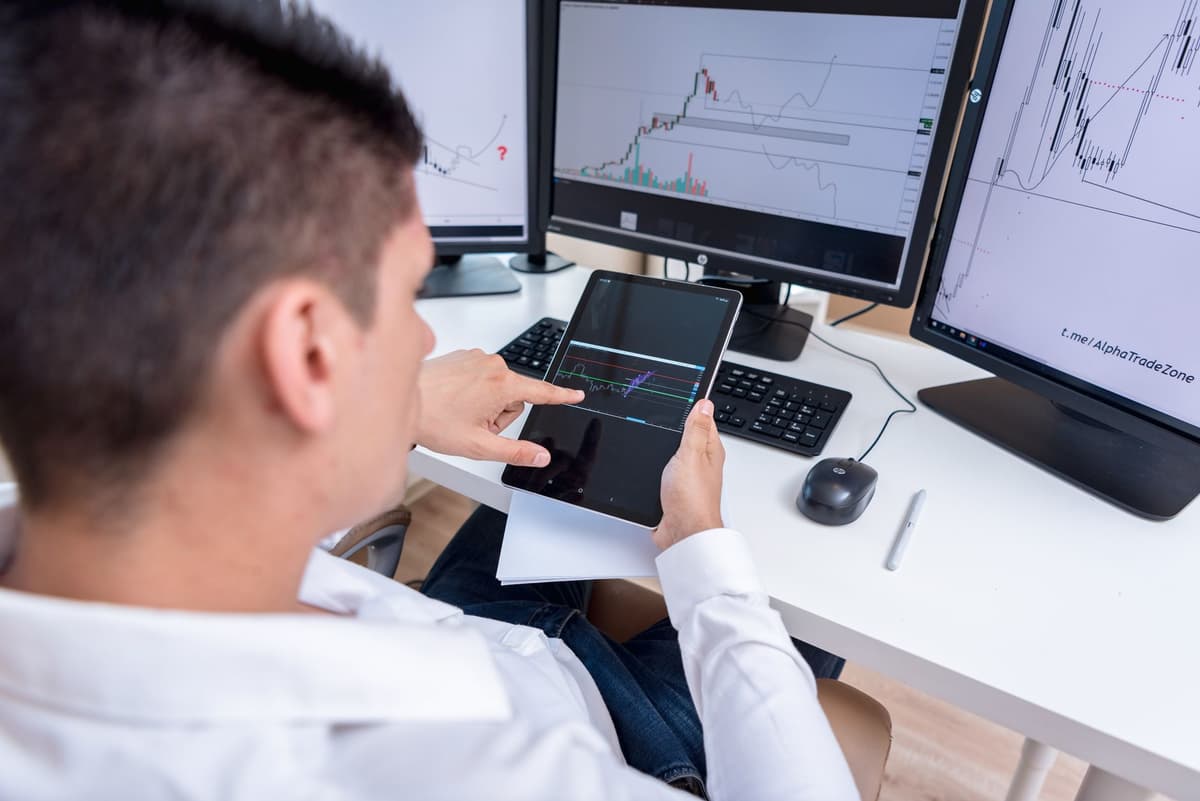
Liquidity migration on Solana in 2026 is defined by the shift from speculative meme-driven assets toward deeper DeFi protocols and tokenized real-world assets. By monitoring whale wallet clusters and LP depth, participants can observe how institutional capital reallocates during periods of volatility while core network upgrades like Firedancer improve execution stability.
Understanding the 2026 Liquidity Landscape
Solana has matured into a multi-layered ecosystem. While retail speculation remains a constant, the underlying infrastructure is now dominated by high-frequency institutional stablecoin settlements and diverse RWA coverage. As the network navigates periods of price fluctuation, the movement of liquidity between DEX pools and lending protocols serves as a primary indicator of market sentiment.
Why Whale Clusters Matter
Whale activity in 2026 often diverges from short-term price action. While retail participants may react to temporary dips, large-scale accumulation often signals confidence in long-term technical milestones like the Alpenglow consensus upgrade. Tracking these movements requires a disciplined look at on-chain footprints rather than superficial price charts.
1. Analyze Liquidity Provider (LP) Depth
Check the ratio of stablecoins to volatile assets within major liquidity pools. If deep liquidity remains locked even during price consolidation, it suggests that institutional market participants are maintaining positions for long-term yield rather than quick exit strategies.
2. Monitor Whale Wallet Clusters
Use block explorers to identify clusters of wallets that move in unison. If these entities are consistently moving funds into lending protocols or staking contracts, it indicates an intent to hold rather than trade. High-value wallet activity often precedes shifts in ecosystem-wide liquidity.
3. Evaluate Network Fee Categories
Observe where transaction fees are being directed. A rise in fees associated with RWA minting or complex DeFi routing suggests that the network is being utilized for utility-driven activity, which tends to be more resilient than pure speculative volume.
4. Track Stablecoin Inflows
Stablecoin movement is the lifeblood of liquidity. When large amounts of stable assets migrate from central exchanges to on-chain DeFi platforms, it provides the necessary dry powder for market participants to deploy capital into new or existing projects.
FAQ
How can I tell if a liquidity migration is driven by whales or retail?
Look at the transaction size and frequency. Whale activity typically involves large, singular tranches that interact directly with smart contracts or deep liquidity pools, whereas retail activity is characterized by smaller, frequent trades on front-end interfaces.
Do network upgrades like Firedancer impact liquidity patterns?
Yes. Upgrades that improve throughput and reduce latency often attract high-frequency market participants who require stable execution environments. This usually results in a more robust and liquid ecosystem as institutional players feel more comfortable committing capital to the network.
What this is NOT
This content is not financial advice, nor is it a buy signal for any specific asset. All observations regarding on-chain data are for educational purposes and should not be interpreted as a recommendation to take any market action. Always conduct your own research before engaging with smart contracts or liquidity pools.

The Role of Institutional Infrastructure
With major financial firms now utilizing Solana for stablecoin settlements, the liquidity profile of the network has fundamentally changed. The integration of real-world assets—ranging from pre-IPO shares to mortgage-backed tokens—means that liquidity is no longer just moving between different memecoins. It is increasingly flowing into protocols that bridge traditional finance and blockchain-based settlement layers. Watching how these institutional entities interact with liquidity depth provides a clearer picture of the network's health than price action alone.
Related posts in On-Chain & Whale Tracking
- On-Chain & Whale Tracking
Solana Liquidity Migration: Tracking On-Chain Patterns in 2026
Learn how to track liquidity migration on Solana in 2026. Master on-chain analysis techniques for DEX activity, whale movements, and capital flow patterns.
Memelogs
- On-Chain & Whale Tracking
Solana Liquidity Migration: Tracking Whale Patterns in 2026
Master the art of tracking Solana liquidity migrations. Learn how to identify whale accumulation patterns and monitor on-chain shifts for smarter analysis.
Memelogs
- On-Chain & Whale Tracking
Whale Accumulation Patterns: Tracking Solana Early-Stage Narrative Shifts in 2026
Master the art of on-chain analysis to identify whale accumulation trends on Solana. Learn how to track smart money before narratives heat up in 2026.
Memelogs