
Solana Liquidity Migration Patterns: Navigating DEX Shifts in 2026
Learn how to track liquidity migration on Solana DEXs in 2026. Master on-chain analysis to identify volume shifts and pool depth changes without the hype.


Liquidity migration on Solana in 2026 is characterized by volume flowing toward high-throughput DEXs like Raydium and Phoenix, often routed through aggregators like Jupiter. Market participants identify these shifts by monitoring changes in total value locked, pool depth, and order book activity across these primary platforms.
Understanding Liquidity Flow
In the current Solana landscape, liquidity is rarely static. Capital moves rapidly between decentralized exchanges based on incentive programs, fee structures, and the underlying speed of the network. As Solana continues to optimize for latency and high-throughput finality, the ability to read where liquidity is concentrating has become a foundational skill for any on-chain observer.
Liquidity migration usually follows a pattern: initial volume spikes on a primary pool, followed by institutional or whale movement into more robust order book platforms. Recognizing these patterns requires looking beyond simple price charts and focusing on the raw data available on-chain.
Analyzing DEX Migration
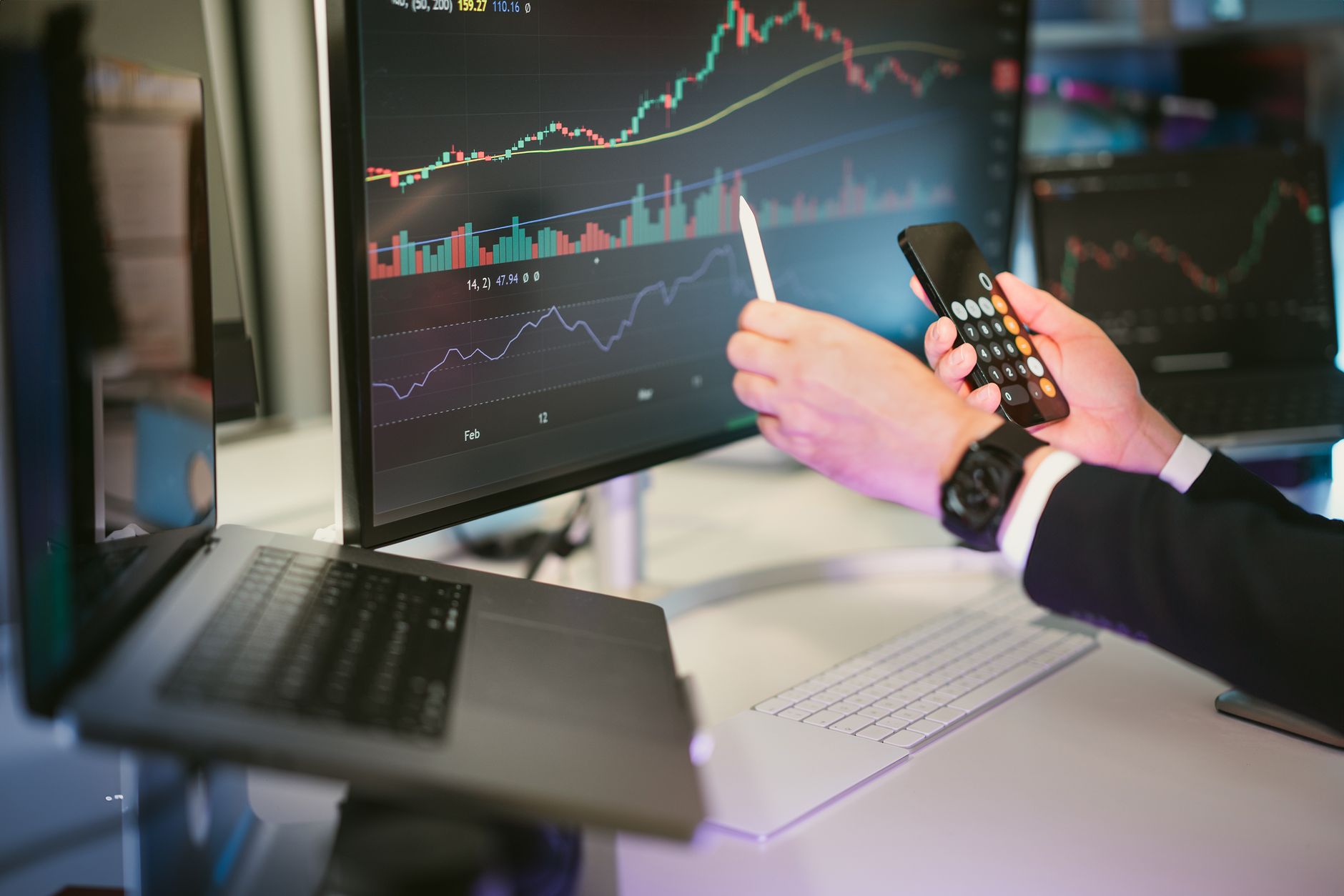
To effectively track where capital is moving, you must look at specific metrics that indicate volume and depth. Data aggregators and block explorers provide the necessary transparency to verify these movements.
1. Monitor Pool Depth on Raydium
Raydium remains a central hub for liquidity. Check the pool depth to see if the available capital is increasing or decreasing relative to the circulating supply of the asset. A shrinking pool depth despite high volume often indicates that liquidity is being withdrawn or migrated to a different platform.
2. Evaluate Order Book Activity on Phoenix
Unlike traditional automated market makers, Phoenix operates on an order book model. Examine the depth of the bid and ask sides. If you see large, consistent limit orders appearing on Phoenix while activity on other platforms remains stagnant, this is a strong indicator of institutional or whale-driven liquidity migration.
3. Track Routing via Jupiter
Jupiter aggregates liquidity across the entire Solana ecosystem. By observing how Jupiter routes trades, you can infer which DEXs are currently providing the best execution prices. If the aggregator consistently favors one platform over another for large-volume swaps, it is likely that the liquidity there is superior.
4. Observe On-Chain Whale Clusters
Use a block explorer to track wallet clusters. When large wallets move significant capital from one DEX to another, they leave a transparent trail. Monitor these shifts to see which protocols are attracting the most significant capital inflows.
Factors Influencing Migration
Several factors drive this behavior in 2026. The network upgrade cycle, focusing on sub-second finality, has made it easier for liquidity to move across the ecosystem without significant slippage or delay. Furthermore, as lending and perpetual protocols integrate more deeply with DEXs, liquidity is increasingly being deployed in strategies that span multiple platforms simultaneously.
| Metric | Importance | Actionable Check |
|---|---|---|
| Pool Depth | High | Compare bid/ask spread across platforms |
| Volume Shifts | Medium | Check 24h volume against TVL ratios |
| Route Efficiency | High | Observe Jupiter's default swap paths |
What this is NOT
This analysis is not financial advice, nor is it a buy signal for any specific token. Always conduct your own research before interacting with any protocol.
FAQ
How can I tell if liquidity is leaving a pool?
Look for a steady decrease in the total value locked within a specific pool on a DEX, combined with an increase in slippage for standard trade sizes. If the pool depth is declining while trading volume remains high, it often signals that liquidity providers are moving their capital elsewhere.
Why does Jupiter often route through different DEXs?
Jupiter is designed to find the best price across the entire Solana ecosystem. It routes trades based on real-time liquidity depth and fee structures. If it switches a route from one DEX to another, it is a direct reflection of which platform currently offers the most favorable conditions for that specific trade size.
Related posts in On-Chain & Whale Tracking
- On-Chain & Whale Tracking
Solana New Token Launches: Identifying On-Chain Red Flags in 2026
Learn how to analyze Solana token launches by tracking whale movements and liquidity patterns to identify common on-chain red flags before you participate.
Memelogs
- On-Chain & Whale Tracking
Tracking Whale Wallets in 2026: A Blueprint for On-Chain Intelligence
Learn how to monitor large wallet movements and identify smart money patterns without relying on blind copy-trading strategies in the evolving crypto market.
Memelogs
- On-Chain & Whale Tracking
Solana Liquidity Migration: Tracking Capital Shifts in 2026
Master the art of tracking on-chain liquidity shifts on Solana. Learn how to monitor whale movements and protocol migrations to stay ahead in 2026.
Memelogs