
Reading Bonding Curve Metrics for Memecoin Market Cap Shifts in 2026
Learn how to analyze bonding curve metrics, liquidity depth, and wallet clusters on Solana to track memecoin market shifts effectively in the 2026 cycle.


To anticipate memecoin market cap shifts in 2026, you must monitor the transition of bonding curve progress into decentralized liquidity pools. By analyzing the concentration of early wallet clusters and the velocity of volume growth during the curve completion phase, you can identify tokens transitioning from speculative play to established on-chain assets.
Understanding the 2026 Landscape
In 2026, the memecoin market has shifted away from purely speculative bot-driven launches toward a more rigorous evaluation of liquidity and community metrics. The rise of platforms like Pump.fun has normalized the bonding curve mechanism, making it the primary gateway for new tokens. However, the sheer volume of launches means that most tokens fail to gain traction before reaching the migration phase.
Successful assets in the current cycle demonstrate a clear correlation between bonding curve progression and sustainable volume. As Solana continues to see record-breaking stablecoin inflows, the ability to read the technical health of a token before it hits a wider market cap has become a critical skill for any on-chain observer.
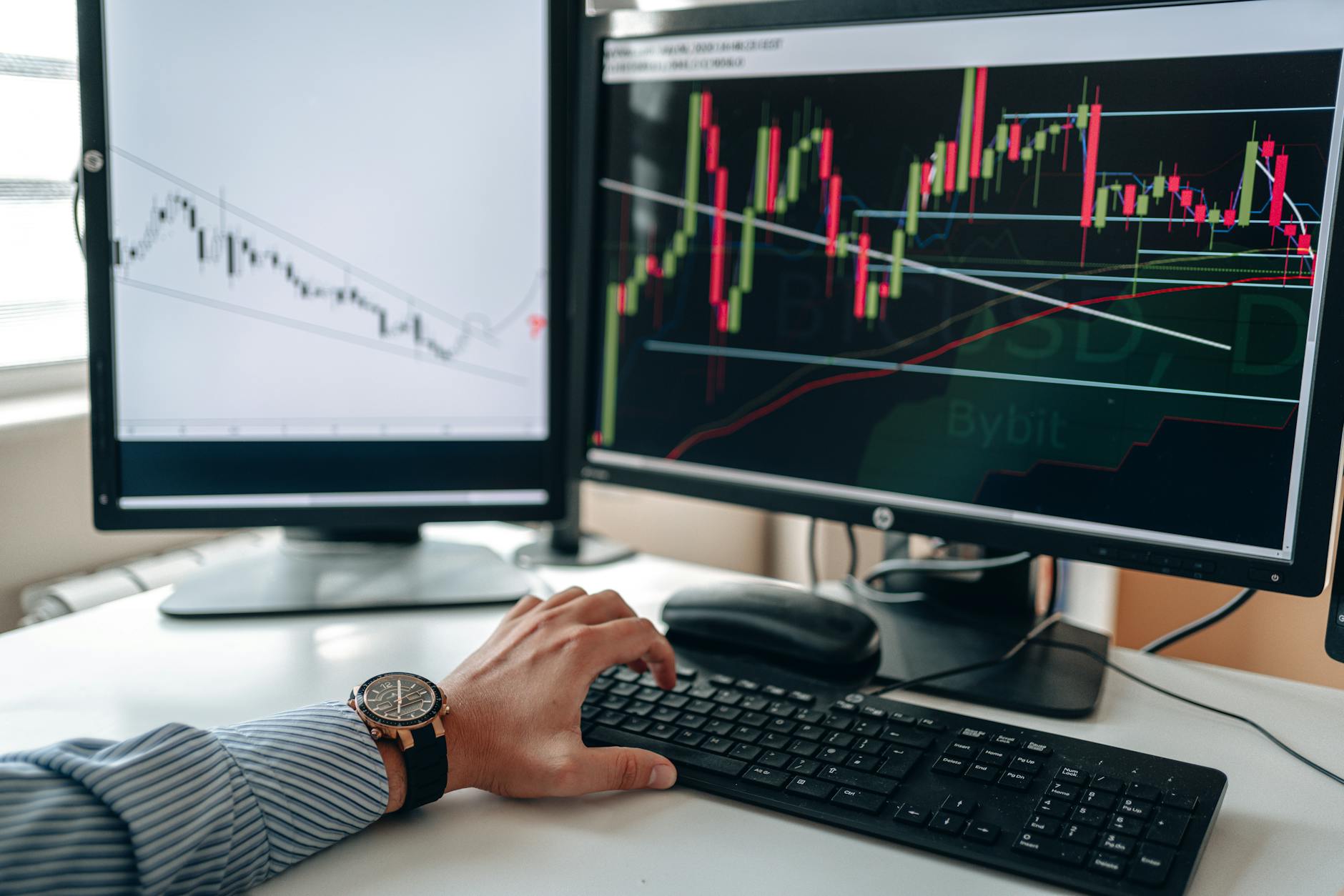
Analyzing Bonding Curve Dynamics
When observing a token on a bonding curve, your goal is to differentiate between artificial volume and genuine community interest. The bonding curve is essentially a price-discovery mechanism that dictates the token price based on the amount of SOL held in the contract.
1. Monitor the bonding curve percentage
Check how close the contract is to its migration target. A token that hits 80-90% of its curve within a short window often signals high demand, whereas a stagnant curve indicates a loss of interest.
2. Verify liquidity migration
Once the bonding curve is filled, the liquidity is typically migrated to a decentralized exchange. Check the explorer to see if the liquidity provided is actually burned or locked. Without locked liquidity, the token is vulnerable to immediate price collapse.
3. Analyze wallet distribution
Use an on-chain explorer to view the top 10 holder addresses. If a single cluster of wallets controls more than 20% of the supply early on, the risk of a coordinated dump at the migration point is significantly higher.
Market Cap and Volume Velocity
In 2026, volume is a more reliable indicator than price alone. A token hitting a $10 million market cap with $50,000 in daily volume is fundamentally different from one hitting the same cap with $5 million in daily volume. High volume relative to market cap suggests that the token has established a liquid market rather than a thin, easily manipulated order book.
| Metric | Significance | Action |
|---|---|---|
| Holder Count | Community breadth | Check for growth trends |
| Volume/MCap Ratio | Liquidity depth | Look for high ratios |
| Top 10 Concentration | Whale risk | Avoid high percentage clusters |
FAQ
How does the 2026 memecoin market differ from previous cycles?
The current cycle is defined by a shift toward liquidity and community strength over pure speculation. Traders are now more selective, focusing on tokens that show consistent volume and high stablecoin backing, rather than just viral social media hype.
What is the most critical on-chain check before a token migrates?
The most critical check is verifying the liquidity lock status and the distribution of early wallets. If the deployer or early insiders hold a dominant percentage of the supply, the token is likely to face severe selling pressure immediately upon reaching a larger market cap.
What this is NOT
This content is not financial advice, nor is it a buy signal for any specific token. Memecoin trading involves extreme volatility and high risk of capital loss. Always perform your own research and rely on verifiable on-chain data rather than social media sentiment.
Related posts in On-Chain & Whale Tracking
- On-Chain & Whale Tracking
Bonding Curve Metrics: Reading Solana Memecoin Data Before Volume Spikes in 2026
Learn how to analyze bonding curve metrics, whale clusters, and liquidity patterns on Solana to identify potential volume shifts before price action occurs.
Memelogs
- On-Chain & Whale Tracking
How to Track Smart Money Wallets on Solana in 2026
Learn how to monitor high-conviction wallet activity on Solana. We break down on-chain tracking methods to identify informed capital flow and liquidity shifts.
Memelogs
- On-Chain & Whale Tracking
The 2026 Memecoin Playbook: On-Chain Verification and Whale Tracking
Master the 2026 memecoin landscape by learning to verify liquidity, analyze holder concentration, and track whale wallet clusters on the Solana network.
Memelogs