
How to Track Smart Money Wallets on Solana: On-Chain Analysis for 2026
Master the art of Solana on-chain analysis. Learn to identify high-signal wallets, track liquidity flows, and filter noise to spot market movements in 2026.

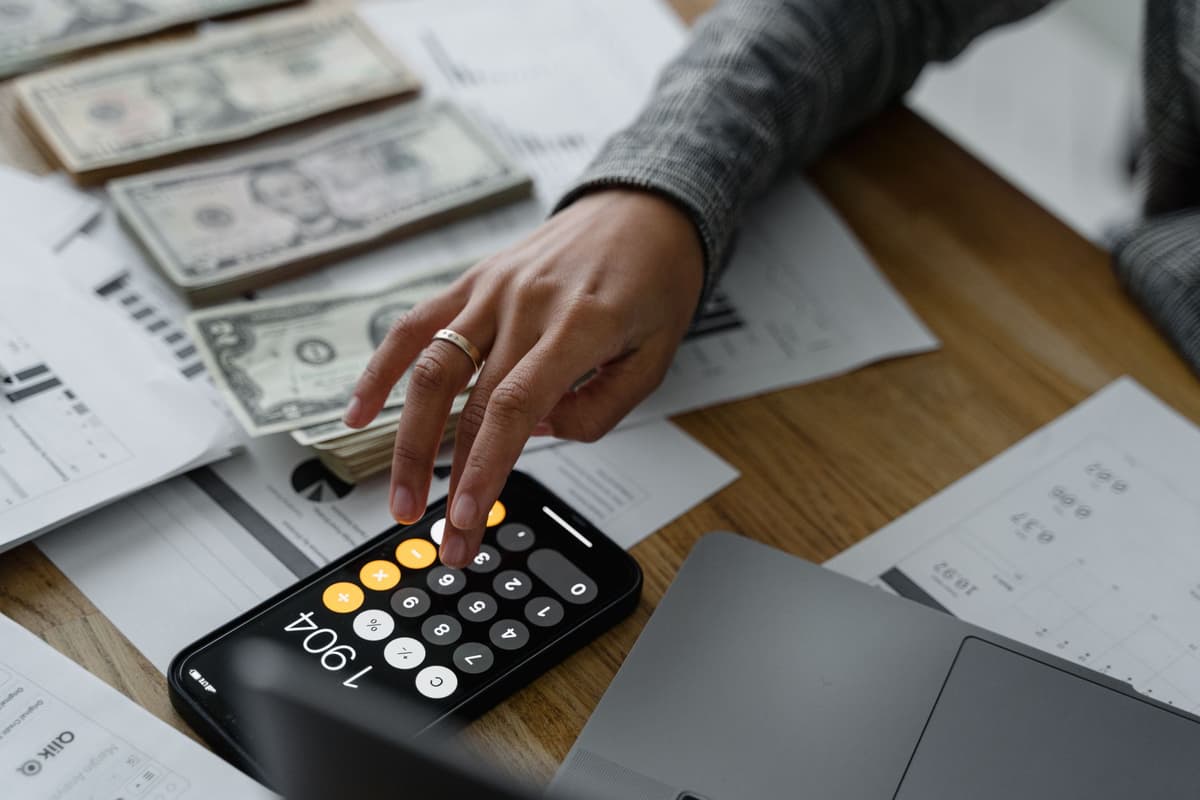
Tracking smart money on Solana involves identifying wallets with a verifiable history of high-win-rate trades rather than just high balances. By filtering for realized P&L and monitoring accumulation patterns through block explorers and analytical tools, participants can observe liquidity shifts in real-time. This is not financial advice, and it is not a buy signal.
The Philosophy of Smart Money Tracking
In the high-velocity environment of the Solana network, the gap between a retail participant and a market maker is defined by information latency. Many observers mistake "big bags" for "smart money." This is a fundamental error. A wallet with a large balance might simply be a holding address or a centralized exchange reserve. True smart money is defined by realized performance, not current holdings.
To build a reliable workflow, you must move beyond simple balance tracking. You need to identify addresses that consistently enter positions before liquidity migrates or before a token migrates from a bonding curve to a decentralized exchange. This requires a shift from passive observation to active data filtering.
Establishing Your Analytical Pipeline
1. Define Your Criteria
Before pulling data, define what constitutes success. A high-signal wallet should show a consistent track record of profitable trades across multiple tokens. Look for wallets that typically exit positions before the majority of retail participants enter, or those that accumulate quietly during periods of low volatility.
2. Utilize On-Chain Explorers
Use the native Solana explorer to inspect individual transaction histories. Look for specific interactions with liquidity pools or token minting contracts. Pay attention to the timing of these transactions relative to price spikes.
3. Filter for Realized P&L
Use analytical tools to aggregate the trading history of suspect addresses. Calculate the realized profit and loss for each completed trade. If a wallet has a high win rate but only trades one specific asset, it may be an insider or a developer wallet rather than a skilled market participant. Focus on wallets that demonstrate versatility.
4. Monitor Token Accumulation
Once you have a list of high-signal addresses, set up alerts for their activity. Monitor for significant accumulations in new or low-liquidity tokens. Do not look for "buy signals" but rather for "liquidity footprints." When multiple high-signal wallets begin accumulating the same asset, it suggests a shift in market attention.
Data Points to Watch
| Metric | Significance |
| --- | --- |
| Realized P&L | Measures historical performance vs. luck |
| Entry Latency | Time between pool creation and wallet buy |
| Token Diversity | Avoids bias toward single-token developer wallets |
| Holding Duration | Distinguishes between scalpers and swing participants |
Common Pitfalls in Tracking
Many participants fail because they rely on automated signals that lack context. If you only track wallets with the largest balances, you are likely following exchange hot wallets or treasury addresses. Furthermore, relying on a single data source can lead to "echo chamber" analysis. Always cross-reference transaction hashes on the explorer to confirm that the movement is a genuine swap and not a wash trade or a transfer between sub-wallets.
FAQ
Is tracking smart money a guaranteed way to profit?
No. Tracking smart money is a tool for information gathering, not a strategy for guaranteed returns. Smart money participants can and do make mistakes, and they often use multiple wallets to obfuscate their true intentions. Following them blindly ignores the risk of market volatility and liquidity traps.
How do I filter out noise from large exchange wallets?
Most analytical platforms provide labeling to distinguish between decentralized wallets and centralized exchange (CEX) addresses. If the data is not labeled, look for patterns: CEX wallets typically interact with a wide range of tokens in high volumes and show frequent, repetitive patterns of deposits and withdrawals that do not resemble organic trading behavior.
Maintaining Operational Security
While you are analyzing the market, protect your own operational integrity. Never connect your primary trading wallet to unverified analytical tools. Always use a "burner" wallet for interacting with unknown platforms or for testing new tracking scripts. The goal is to observe the market without becoming the liquidity that smart money is looking to exit into.
Related posts in On-Chain & Whale Tracking
- On-Chain & Whale Tracking
Decoding Bonding Curve Metrics: Analyzing Memecoin Trajectories in 2026
Learn to interpret bonding curve metrics on Solana to assess memecoin market health. Master the on-chain data points that define lifecycle stages and liquidity.
Memelogs
- On-Chain & Whale Tracking
Solana Liquidity Migration Patterns: 2026 Whale Tracking Strategies
Master 2026 Solana liquidity migration patterns. Learn to track whale movements, manage slippage, and analyze on-chain data to sharpen your market insights.
Memelogs
- On-Chain & Whale Tracking
Decoding Bonding Curve Metrics: A 2026 Guide to On-Chain Memecoin Patterns
Learn how to analyze bonding curve metrics for Solana memecoins. Master the art of reading on-chain data to identify liquidity shifts before potential moves.