
Solana Liquidity Migration Patterns: 2026 Whale Tracking Strategies
Master 2026 Solana liquidity migration patterns. Learn to track whale movements, manage slippage, and analyze on-chain data to sharpen your market insights.


Liquidity migration on Solana in 2026 is driven by the transition of assets from concentrated bonding curves to decentralized exchanges. Market participants track these shifts by monitoring whale wallet clusters and monitoring slippage adjustments to ensure execution quality during high-volatility events.
Understanding Liquidity Migration
Liquidity migration is the process where a token’s total value locked moves from an initial launch platform to a broader trading environment. In the current Solana ecosystem, this is often the most critical moment for price discovery. Recognizing the mechanics of how this capital moves allows an investor to separate genuine interest from noise.
When a token migrates, the underlying liquidity pool is often re-established. If you are watching this transition, you are essentially looking for the point where volume stabilizes. Understanding these patterns is not about predicting price, but rather about observing where the large-scale capital is actually positioning itself.
The Role of Whale Tracking
Whale movements serve as a primary indicator of market sentiment. On-chain analysis tools allow you to observe when sophisticated actors move capital into or out of a specific token liquidity pool. These actors often utilize specific wallet clusters to fragment their positions, which helps them avoid significant slippage.
Tracking these wallets involves more than just looking at the top holders. It requires analyzing the relationship between the timing of a whale transaction and the subsequent shift in liquidity depth. When you see a major wallet address moving funds into a newly migrated liquidity pool, it often precedes a period of higher volatility.
1. Identify the Source Wallet
Use an on-chain explorer to verify the origin of large transactions. Look for patterns where a wallet consistently interacts with new liquidity deployments.
2. Analyze Transaction Timing
Check the timestamps of whale entries relative to the migration event. Early movement into a liquidity pool often dictates the initial price floor.
3. Monitor Holding Duration
Observe if the whale holds the asset through the volatility of the migration or if they exit as soon as the initial liquidity depth is reached.
Managing Slippage in 2026
Slippage is the difference between the expected price of a trade and the actual price executed. In the Solana environment, high slippage settings are often a double-edged sword. While they ensure that a transaction goes through during periods of intense activity, they also expose the user to potential losses if the liquidity pool is shallow.
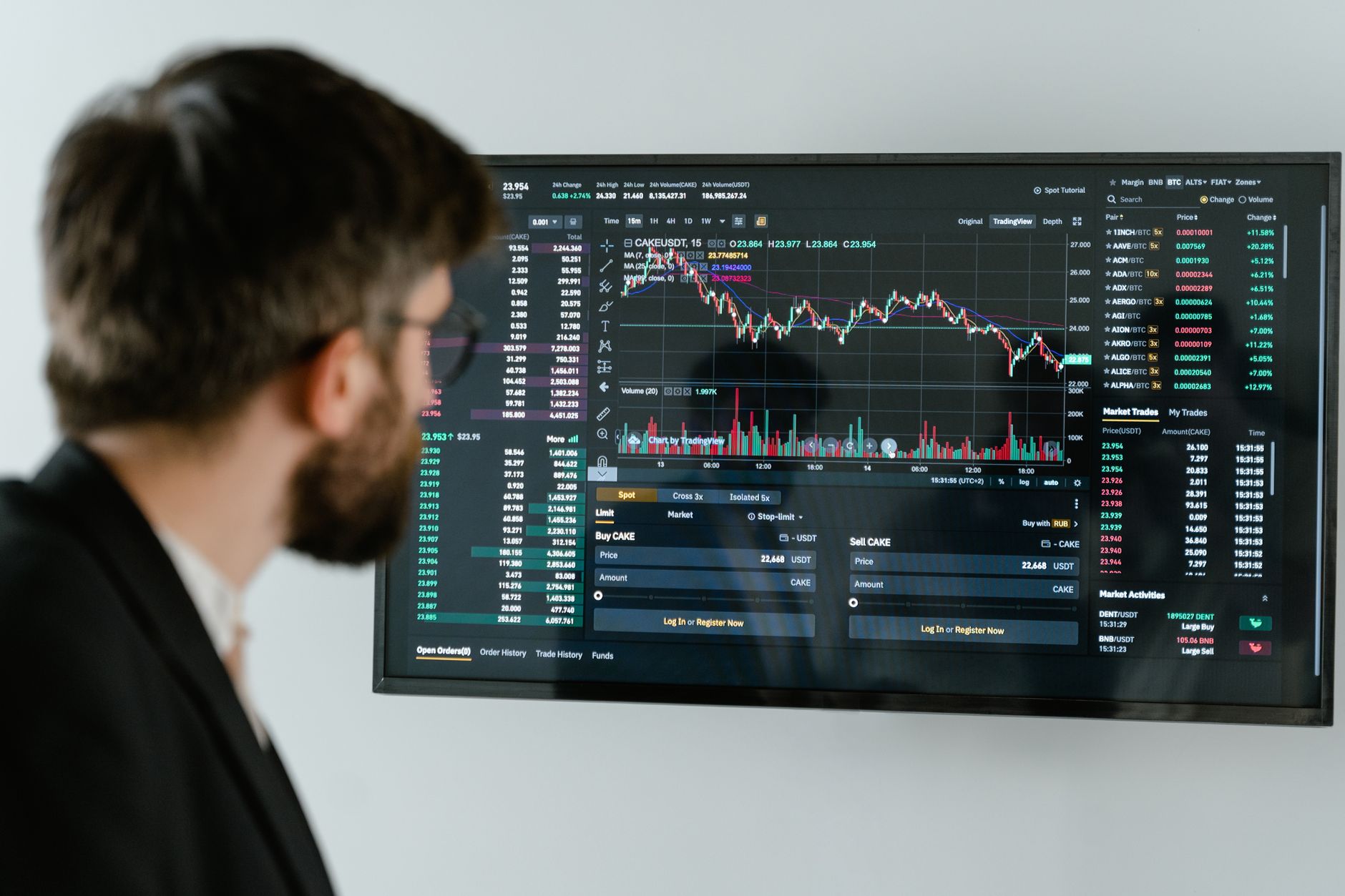
If you are interacting with liquidity pools, you must balance your slippage tolerance. A common mistake is setting slippage too high, which can lead to poor execution if a whale happens to be moving large amounts of liquidity simultaneously. Always review the current depth of the pool before confirming your settings.
| Metric | Importance |
|---|---|
| Liquidity Depth | High |
| Transaction Volume | Medium |
| Whale Activity | High |
| Slippage Tolerance | High |
FAQ
What is the primary indicator of a successful liquidity migration?
The primary indicator is the sustained growth of volume and the stabilization of the liquidity pool size after the initial migration event. If the pool remains shallow and volume drops, it suggests that major capital has not committed to the new environment.
How do I distinguish between organic interest and whale manipulation?
Organic interest is typically characterized by a broad distribution of holders and consistent, moderate volume. Whale manipulation often manifests as rapid, high-volume entries and exits that significantly alter the pool's slippage metrics without a corresponding increase in the number of unique participants.
Final Considerations
This content is for informational purposes only. It is not financial advice, not a buy signal, and does not guarantee any specific market outcome. Market participants should always conduct their own research and understand the risks inherent in on-chain trading. By focusing on the architecture of how liquidity moves, you can build a more objective view of the market, regardless of the current noise or sentiment.
Related posts in On-Chain & Whale Tracking
- On-Chain & Whale Tracking
Decoding Bonding Curve Metrics: A 2026 Guide to On-Chain Memecoin Patterns
Learn how to analyze bonding curve metrics for Solana memecoins. Master the art of reading on-chain data to identify liquidity shifts before potential moves.
Memelogs
- On-Chain & Whale Tracking
Tracking Smart Money Wallets on Solana: A 2026 On-Chain Strategy
Learn how to monitor high-performance Solana addresses, analyze on-chain activity, and verify liquidity to refine your market research strategy.
Memelogs
- On-Chain & Whale Tracking
Mastering Bonding Curve Metrics: Analyzing Solana Memecoin Launches in 2026
Learn how to read bonding curve metrics and on-chain data for Solana memecoins. A technical guide on analyzing liquidity, whale clusters, and volume shifts.